Love this? Save it for later!
Share the inspiration with your friends
Introduction
“You wouldn’t believe it if I told you this recipe came from a scribbled note tucked inside an old, dusty book at a tiny bookstore in Rome,” I said to my curious friend as we stood in my kitchen. It was last spring, and honestly, I was just trying to replicate that same silky, peppery pasta I enjoyed on a rainy afternoon in Trastevere. The power flickered once while I was cooking, and I nearly dropped the pecorino in frustration—classic me. Maybe you’ve been there, fumbling with a simple dish that somehow turns complicated. This creamy Italian Cacio e Pepe pasta recipe is that golden ticket for me. It’s the kind of dish that looks deceptively simple but demands just the right touch to get that luscious creaminess without cream. I mean, who thought just cheese, pepper, and pasta water could create something so soul-soothing? This recipe stayed with me not just because it tastes incredible, but because it’s a reminder that sometimes the best food stories come from the most unexpected places—like a forgotten note in a bookshop or a cracked bowl on your kitchen counter.”
Why You’ll Love This Recipe
After testing this creamy Italian Cacio e Pepe pasta multiple times (and yes, burning a few batches), I can say it’s a keeper for sure. Here’s why it might just become your go-to comfort meal:
- Quick & Easy: Ready in about 20 minutes, perfect for those nights when you want something homemade without spending hours.
- Simple Ingredients: No need for exotic stores; pasta, Pecorino Romano, black pepper, and salt are probably already in your pantry.
- Perfect for Cozy Dinners: Whether it’s a chilly evening or a lazy weekend lunch, this dish hits the spot every time.
- Crowd-Pleaser: I’ve served it at dinner parties where even the pickiest eaters asked for seconds.
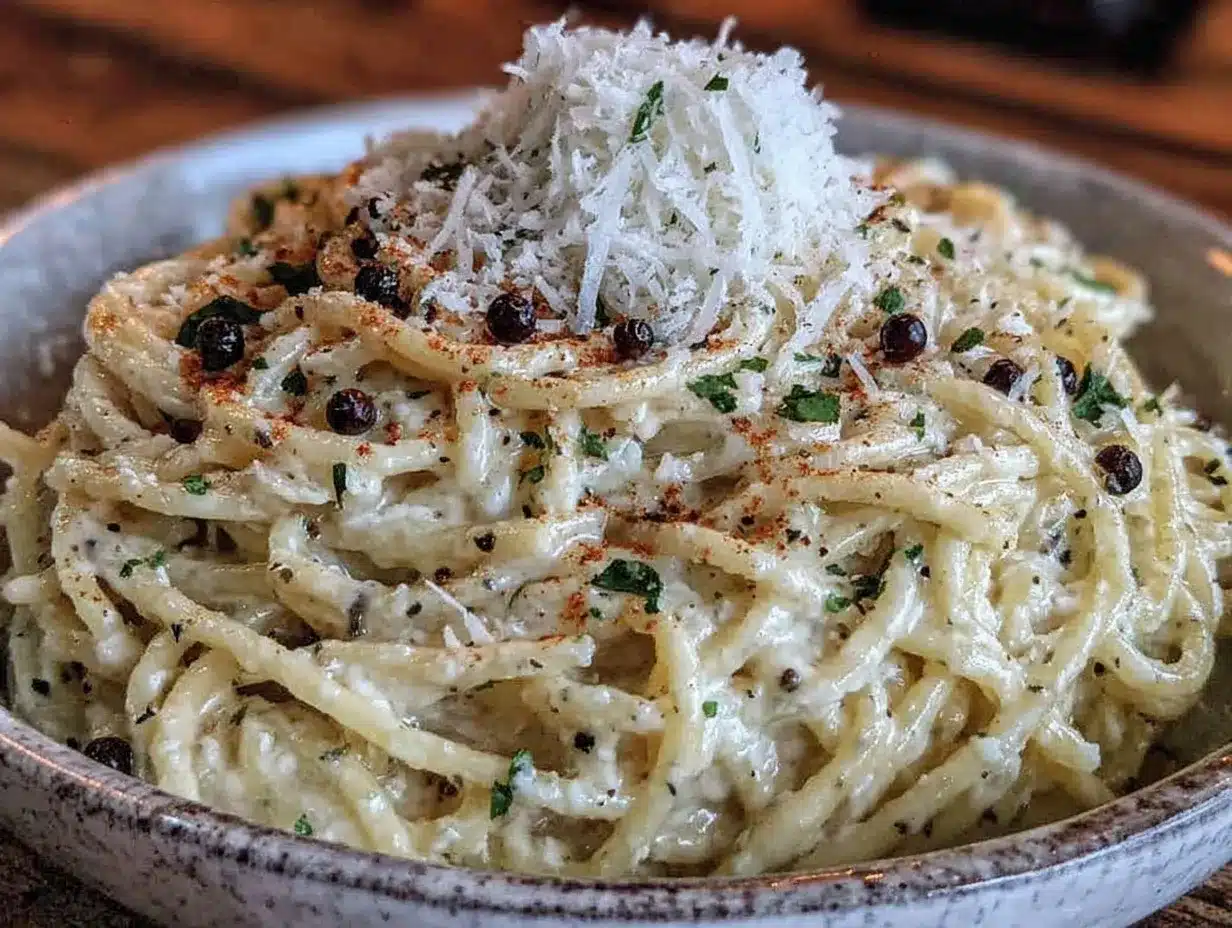
- Unbelievably Delicious: The creamy texture without actual cream is pure magic—a perfect balance of sharp, salty cheese with a peppery kick.
What sets this recipe apart? It’s all in the technique: the way you temper the cheese and pepper with the pasta water to create that signature creamy sauce. No heavy cream here—just traditional methods that give you the authentic Italian feel. Honestly, it’s like comfort food with a little Italian soul, and it’s surprisingly forgiving once you get the hang of it. Whether you’re a pasta pro or a newbie, this recipe lets you impress without stress.
What Ingredients You Will Need
This creamy Italian Cacio e Pepe pasta uses straightforward, wholesome ingredients that come together beautifully without fuss. Most are pantry staples, and you’ll see a few tips to help you pick the best versions or swap if needed.
- Spaghetti or Tonnarelli (200g / 7 oz): Traditional choices for this dish. I prefer De Cecco spaghetti for its firm texture.
- Pecorino Romano cheese (1 cup / 100g), finely grated: The star of the dish. Look for a firm, dry Pecorino for best melting and flavor. If unavailable, Parmesan can work in a pinch but it’s less sharp.
- Freshly cracked black pepper (2 tsp): This gives the dish its signature peppery punch. Grind it fresh for the best aroma.
- Salt (for pasta water): Use kosher or sea salt—season the water generously as it flavors the pasta from within.
- Extra virgin olive oil (optional, 1 tbsp): Some traditionalists skip this, but I like a little drizzle to add silkiness.
Substitutions: For a gluten-free version, swap spaghetti with gluten-free pasta (corn or rice-based). If you want a dairy-free option, this recipe isn’t the easiest to adapt but nutritional yeast can add a cheesy flavor in experimental versions.
Equipment Needed
- Large pot: For boiling pasta. I always use a heavy-bottomed stainless steel pot to prevent water from boiling over.
- Large skillet or sauté pan: To mix the pasta with cheese and pepper. Non-stick works well here to keep the sauce smooth.
- Fine grater or microplane: For grating Pecorino Romano finely, helping it melt evenly.
- Measuring spoons and cups: Accuracy matters, especially for pepper and cheese quantities.
- Tongs or pasta fork: To toss the pasta gently without breaking it.
If you don’t have a microplane, a regular fine grater will do, just be careful to avoid grating your fingers! My old skillet sometimes causes the sauce to stick, so I recommend using a pan with a good non-stick surface to make cleanup easier. Budget tip: a simple kitchen scale can help you measure pasta precisely, which makes a big difference in sauce consistency.
Preparation Method
- Boil the pasta: Bring a large pot of salted water to a rolling boil (about 4-5 quarts / 4-5 liters). Add 200g (7 oz) spaghetti and cook until just shy of al dente (around 8-9 minutes). Save about 1 ½ cups (360 ml) of pasta water before draining.
- Toast the black pepper: While the pasta cooks, heat a large skillet over medium heat. Add 2 teaspoons of freshly cracked black pepper and toast for about 1 minute, stirring constantly until fragrant. This step unlocks the pepper’s full flavor.
- Create the cheese and pepper emulsion: Lower the heat and add about ½ cup (120 ml) of reserved pasta water to the skillet with the pepper. Slowly add 1 cup (100 g) finely grated Pecorino Romano while stirring vigorously. This should create a creamy sauce—if it looks grainy or lumpy, add more pasta water a tablespoon at a time.
- Toss the pasta: Add the drained pasta to the skillet and toss continuously to coat the noodles evenly. The sauce will thicken and cling beautifully. If it gets too thick or dry, add a splash more pasta water.
- Finish and serve: Optional: drizzle 1 tablespoon of extra virgin olive oil for extra silkiness. Serve immediately with an extra sprinkle of Pecorino and black pepper on top.
Pro tip: The key is in the timing and temperature—too hot and the cheese clumps; too cold and it won’t melt properly. Keep the heat low and be patient with stirring. If the sauce looks sticky instead of creamy, add small amounts of pasta water to loosen it up. I learned this the hard way after one batch turned into a cheesy mess!
Cooking Tips & Techniques
Making creamy Italian Cacio e Pepe pasta isn’t rocket science, but it does require a little finesse. Here are some tips to help you nail it every time:
- Use pasta water wisely: The starchy water is your secret weapon. It helps emulsify the cheese and oil, creating that silky texture. Don’t dump it all at once; add gradually.
- Grate cheese finely: Coarser shreds won’t melt evenly and can lead to clumps. A microplane or fine grater is worth the investment.
- Toast pepper carefully: Too much heat can burn it and turn bitter. Just a minute or so until fragrant is enough.
- Work quickly but gently: Tossing the pasta with the sauce while it’s hot but not burning is key. Use tongs or a fork to mix without mashing.
- Common mistake: Adding cream or milk. This isn’t a creamy pasta because of dairy cream but because of the Pecorino and pasta water emulsion. Adding dairy changes the texture and flavor.
I remember the first time I made this, I added the cheese too fast and ended up with a clumpy mess. Now I take my time, stirring lovingly, and it always turns out smooth. Patience is everything here.
Variations & Adaptations
While this recipe sticks to tradition, a few tweaks can make it your own or fit dietary needs:
- Gluten-Free: Use gluten-free spaghetti or linguine. Just watch cooking times as these pastas often cook faster.
- Vegan-Friendly: Traditional Cacio e Pepe relies on Pecorino, but for a vegan twist, try nutritional yeast combined with cracked black pepper and a splash of plant-based milk to mimic creaminess.
- Spicy Kick: Add a pinch of red chili flakes while toasting the pepper for a little heat that complements the sharp cheese.
- Herbal Notes: Fresh thyme or rosemary stirred in at the end can add an earthy aroma, though purists might raise an eyebrow.
One personal favorite: I once added a bit of browned butter instead of olive oil, which gave the dish a nutty depth. It’s not traditional, but hey, sometimes a happy accident makes a recipe even better!
Serving & Storage Suggestions
Cacio e Pepe pasta is best served hot and fresh to enjoy that creamy texture at its peak. I usually plate it simply with a bit more grated Pecorino and cracked black pepper on top.
Pair it with a crisp green salad or roasted vegetables to balance the richness, and perhaps a light Italian white wine or sparkling water with lemon.
Leftovers can be refrigerated in an airtight container for up to 2 days. The sauce will firm up in the fridge, so reheat gently in a skillet over low heat with a splash of water or broth to bring back creaminess. Microwaving works but can dry the pasta out.
Flavors deepen slightly after resting, but honestly, this pasta is best enjoyed fresh. If you want to prep ahead, cook the pasta and sauce separately and combine just before serving.
Nutritional Information & Benefits
This creamy Italian Cacio e Pepe pasta packs a punch with protein and calcium from Pecorino Romano cheese. A typical serving (about 1 cup) contains approximately:
| Calories | 400-450 |
|---|---|
| Protein | 18-20g |
| Carbohydrates | 50-55g |
| Fat | 12-15g |
The dish isn’t low-calorie but offers a good energy boost and satisfies hunger with a balanced mix of carbs, fats, and protein. Pecorino is rich in calcium and phosphorus, supporting bone health. Black pepper aids digestion and adds antioxidants.
For those watching gluten, use gluten-free pasta options. Note this recipe contains dairy and is not suitable for lactose intolerance unless you use lactose-free cheese alternatives.
Conclusion
This traditional creamy Italian Cacio e Pepe pasta recipe is a beautiful example of how simple ingredients come together with a little care to create something truly special. It’s the kind of dish you can whip up quickly but that tastes like you spent hours in the kitchen. I love how it reminds me that sometimes, less really is more—just pasta, cheese, pepper, and a bit of patience. I encourage you to try this recipe, make it your own, and share how it fits into your kitchen stories. If you have your own twists or secrets, drop a comment below—I’d love to hear!
Now, put on some Italian tunes and get ready to enjoy some soul-warming pasta magic!
Frequently Asked Questions (FAQs)
What type of cheese is best for Cacio e Pepe?
Pecorino Romano is traditional for its sharp, salty flavor and firm texture that melts well. Parmesan can be a substitute but changes the taste.
Can I use other pasta shapes?
Yes, spaghetti or tonnarelli are classic, but bucatini or linguine also work nicely since they hold sauce well.
Why does my sauce sometimes clump or get grainy?
Usually because the cheese is added too quickly or the temperature is too high. Add cheese slowly off heat and use reserved pasta water to create a smooth emulsion.
Is this recipe dairy-free or vegan?
The traditional recipe is not, as it relies on Pecorino Romano. For dairy-free or vegan versions, nutritional yeast and plant-based milks can be experimented with, though the flavor will differ.
Can I prepare Cacio e Pepe in advance?
It’s best fresh, but you can cook pasta and sauce separately and combine before serving. Leftovers reheat best gently on the stove with a splash of water to loosen the sauce.
For those interested in other simple Italian pasta dishes, you might enjoy my take on creamy garlic parmesan pasta or the flavorful classic Italian spaghetti carbonara which shares some similar techniques and ingredients.
Pin This Recipe!
Creamy Italian Cacio e Pepe Pasta Recipe Easy Traditional Method
A traditional Italian pasta dish featuring a creamy sauce made from Pecorino Romano cheese, freshly cracked black pepper, and pasta water, delivering a silky, peppery flavor without using cream.
- Prep Time: 5 minutes
- Cook Time: 15 minutes
- Total Time: 20 minutes
- Yield: 2 servings 1x
- Category: Main Course
- Cuisine: Italian
Ingredients
- 200g (7 oz) spaghetti or tonnarelli
- 1 cup (100g) Pecorino Romano cheese, finely grated
- 2 teaspoons freshly cracked black pepper
- Salt for pasta water (kosher or sea salt)
- 1 tablespoon extra virgin olive oil (optional)
Instructions
- Bring a large pot of salted water to a rolling boil (about 4-5 quarts). Add 200g (7 oz) spaghetti and cook until just shy of al dente (around 8-9 minutes). Save about 1 ½ cups (360 ml) of pasta water before draining.
- While the pasta cooks, heat a large skillet over medium heat. Add 2 teaspoons of freshly cracked black pepper and toast for about 1 minute, stirring constantly until fragrant.
- Lower the heat and add about ½ cup (120 ml) of reserved pasta water to the skillet with the pepper. Slowly add 1 cup (100 g) finely grated Pecorino Romano while stirring vigorously to create a creamy sauce. If the sauce looks grainy or lumpy, add more pasta water a tablespoon at a time.
- Add the drained pasta to the skillet and toss continuously to coat the noodles evenly. If the sauce gets too thick or dry, add a splash more pasta water.
- Optionally drizzle 1 tablespoon of extra virgin olive oil for extra silkiness. Serve immediately with an extra sprinkle of Pecorino and black pepper on top.
Notes
Use pasta water gradually to create a smooth emulsion and avoid clumpy sauce. Toast black pepper carefully to avoid bitterness. Grate cheese finely for best melting. Serve immediately for best texture. Leftovers can be refrigerated up to 2 days and reheated gently with a splash of water or broth.
Nutrition
- Serving Size: About 1 cup per serv
- Calories: 425
- Sugar: 1
- Sodium: 600
- Fat: 13.5
- Saturated Fat: 7
- Carbohydrates: 52.5
- Fiber: 2
- Protein: 19
Keywords: Cacio e Pepe, Italian pasta, creamy pasta, Pecorino Romano, black pepper pasta, traditional Italian recipe, easy pasta recipe