Love this? Save it for later!
Share the inspiration with your friends
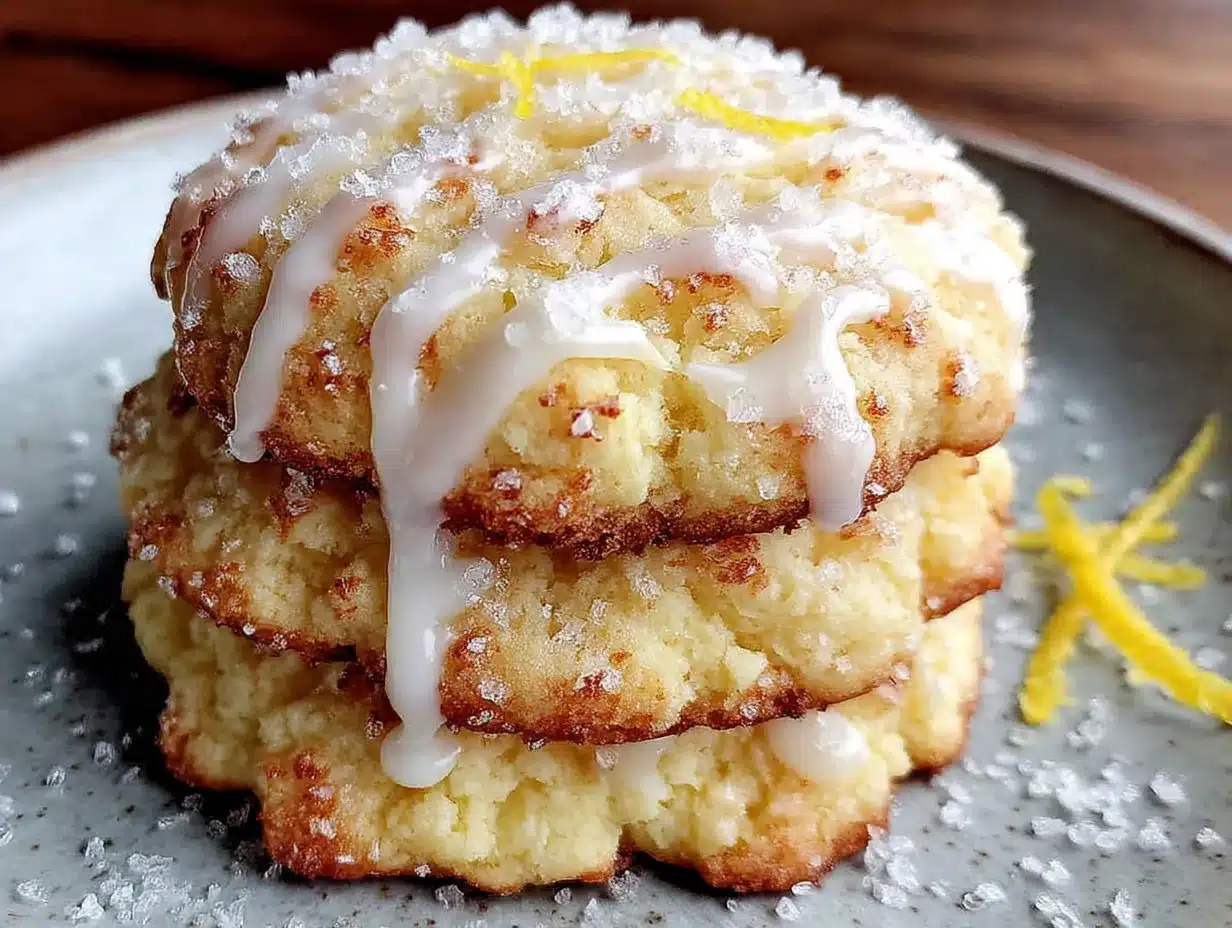
There used to be a tiny Italian bakery tucked between a laundromat and a shoe repair shop on the corner of 7th and Pine in my old neighborhood. They made these lemon ricotta cookies that were honestly otherworldly—soft, pillowy little clouds with a glaze that crackled just slightly when you bit into them. When the bakery closed suddenly three summers ago (the owner retired and moved to Florida, of all places), I felt a genuine pang of loss. I mean, I actually stood there staring at the “For Lease” sign like I’d lost a friend.
After twelve tries—twelve, let me tell you—I finally got it. The first batch was a disaster: flat, greasy, and tasting more like a sad pancake than a cookie. Batch number five was better but too dense, like little hockey pucks with frosting. Batch eight was close, but the lemon flavor was barely a whisper. I kept tweaking, adjusting, testing, and eating way too many cookies in the process. But this version right here? This is the one. It’s the cookie I’ve been chasing for three years, and I’m honestly so excited to share it with you.
The secret, as it turns out, is all in the ricotta. You need the full-fat stuff, and you need to drain it just a little. A friend of mine—okay, my neighbor Carol—suggested I let the ricotta sit in a fine-mesh strainer for about thirty minutes before mixing. Genius. It removes just enough moisture so the cookies stay tender without getting soggy. And the lemon? Don’t you dare use bottled juice. You need fresh lemon zest and fresh lemon juice. Trust me on this. Maybe you’ve been there too, searching for that one perfect recipe that brings back a specific memory. Well, here it is. These cookies are exactly what I remember—soft, bright, and utterly unforgettable.
Why You’ll Love This Recipe
These lemon ricotta cookies are honestly everything you could want in a cookie and more. They’re not your typical crunchy, crispy cookie—they’re soft, almost cake-like, with a texture that practically dissolves on your tongue. I’ve tested this recipe more times than I care to admit, and each time, I’m reminded why it’s become my most-requested bake.
- Quick & Easy: From start to finish, these cookies come together in about 45 minutes. The dough mixes up in one bowl, and there’s no chilling required. Perfect for when that cookie craving hits out of nowhere.
- Simple Ingredients: You probably already have most of these in your kitchen. Flour, sugar, eggs, butter—and the ricotta, of course. No weird specialty items or expensive extracts.
- Perfect for Any Occasion: These cookies are elegant enough for a holiday cookie tray but simple enough for a Tuesday afternoon treat. I’ve brought them to potlucks, book clubs, and even sent them in care packages.
- Crowd-Pleaser: I’ve yet to meet someone who doesn’t love these. Kids go crazy for the sweet glaze, and adults appreciate the bright, sophisticated lemon flavor. They disappear fast.
- Unbelievably Delicious: The texture is what gets everyone. It’s like a cross between a muffin top and a cloud. The ricotta makes them impossibly tender, and the lemon keeps them from being too heavy.
What makes this recipe different from all the others out there? It’s the technique. Most recipes tell you to just mix everything together, but I’ve learned that how you handle the ricotta matters. Draining it slightly, using room-temperature ingredients, and not overmixing are the three things that separate good cookies from life-changing ones. I’ve tested this with low-fat ricotta, with different brands, with bottled lemon juice (don’t do it), and this version is hands-down the best. It’s not just another recipe—it’s the one I’d make for someone I wanted to impress.
These cookies are comfort food in its purest form. They’re the kind of cookie you make on a rainy Sunday afternoon when you need something warm and sweet and familiar. The kind you eat with a cup of tea while you watch the leaves fall. The kind that makes you close your eyes after the first bite and just breathe. Honestly, that’s what good food should do.
What Ingredients You Will Need
This recipe uses simple, wholesome ingredients that work together to create something truly special. The ricotta is the star here, but every component plays a role in achieving that perfect texture and flavor. Here’s what you’ll need:
For the Cookies
- All-purpose flour – 2 ½ cups (300g) – Spoon and level it for accuracy. Too much flour makes dense cookies.
- Baking powder – 2 teaspoons – Make sure it’s fresh. Old baking powder won’t give you that nice lift.
- Salt – ½ teaspoon – Just regular table salt. It balances the sweetness.
- Unsalted butter – ½ cup (1 stick, 113g), softened to room temperature – Don’t microwave it. Let it sit out for about an hour.
- Granulated sugar – 1 cup (200g) – Regular white sugar works perfectly here.
- Large eggs – 2, room temperature – If you forget to take them out, place them in a bowl of warm water for 5 minutes.
- Whole milk ricotta cheese – 1 cup (250g) – This is non-negotiable. Use full-fat ricotta for the best texture. I prefer Galbani or Polly-O.
- Fresh lemon zest – 2 tablespoons – From about 2 large lemons. Zest them before juicing.
- Fresh lemon juice – 2 tablespoons – From those same lemons. Fresh makes a huge difference.
- Vanilla extract – 1 teaspoon – Pure vanilla, not imitation. It adds warmth to the lemon flavor.
For the Glaze
- Powdered sugar – 1 ½ cups (180g) – Sift it if it’s lumpy. Nobody wants lumpy glaze.
- Fresh lemon juice – 3 tablespoons – Start with 2 and add more as needed.
- Lemon zest – 1 teaspoon – For garnish. It makes them look professional.
- Milk – 1-2 tablespoons – Only if needed to thin the glaze. Whole milk works best.
A quick note on ricotta: I’ve tried making these with part-skim ricotta, and honestly, they just weren’t the same. The cookies were tougher and didn’t have that melt-in-your-mouth quality. If you’re dairy-free, there are some good plant-based ricottas out there now, but I haven’t tested them in this recipe yet. For best results, stick with full-fat dairy ricotta.
When it comes to lemons, look for ones that feel heavy for their size and have bright, smooth skin. That means they’re juicy. Meyer lemons work beautifully here too if you can find them—they’re a bit sweeter and less acidic.
Equipment Needed
You don’t need a professional bakery setup for these cookies. Here’s what you’ll need:
- Large mixing bowl – Any big bowl will do. I use my grandmother’s old ceramic one, but glass or metal works fine.
- Electric mixer – A hand mixer or stand mixer both work. I’ve made these with both, and the results are identical. If you’re using a stand mixer, use the paddle attachment.
- Fine-mesh strainer – For draining the ricotta. This is actually important. Don’t skip it.
- Microplane or zester – For getting all that lovely lemon zest. A box grater works too, but a microplane is easier.
- Baking sheets – Two large ones. I like the ones with a light-colored surface because they prevent over-browning.
- Parchment paper – Line your baking sheets. Silicone baking mats work too, but parchment is easier for cleanup.
- Cookie scoop – A 1.5-tablespoon scoop makes perfectly uniform cookies. If you don’t have one, use two spoons.
- Cooling rack – Wire racks let air circulate so the cookies cool evenly. Worth the investment.
- Whisk – For the glaze. A fork works in a pinch.
I used a cheap cookie scoop from the grocery store for years, and it worked perfectly. You don’t need fancy equipment. Just make sure your baking sheets are sturdy—thin ones can warp in the oven and cause uneven baking.
Preparation Method
Alright, let’s make these cookies. I’ll walk you through every step so you get perfect results your first time.
Step 1: Prep the Ricotta
Line your fine-mesh strainer with a paper towel or a clean kitchen towel. Place it over a bowl and spoon in the ricotta. Let it sit for 30 minutes while you get everything else ready. You’ll be amazed at how much liquid drains out. This is the step that makes these cookies truly melt-in-your-mouth.
Step 2: Preheat and Prep
Preheat your oven to 350°F (175°C). Line two baking sheets with parchment paper. Set them aside.
Step 3: Mix Dry Ingredients
In a medium bowl, whisk together the flour, baking powder, and salt. Set this aside. Whisking aerates the flour and distributes the leavening evenly.
Step 4: Cream Butter and Sugar
In your large mixing bowl, beat the softened butter and granulated sugar together until light and fluffy. This takes about 3-4 minutes with an electric mixer on medium speed. You want it to look pale and almost doubled in volume. Scrape down the sides of the bowl halfway through.
Step 5: Add Eggs and Flavorings
Add the eggs one at a time, beating well after each addition. Then mix in the vanilla, lemon zest, and lemon juice. The mixture might look a little curdled at this point—that’s totally normal. Don’t panic.
Step 6: Add the Ricotta
Gently fold in the drained ricotta using a rubber spatula. Mix until just combined. You don’t want to overwork it. A few small streaks of ricotta are fine.
Step 7: Combine Wet and Dry
Add the dry ingredients to the wet mixture in two additions, mixing on low speed until just incorporated. Stop as soon as you don’t see any more flour streaks. Overmixing will make the cookies tough. The dough will be soft and slightly sticky—that’s exactly what you want.
Step 8: Scoop the Dough
Using your cookie scoop or two spoons, drop rounded tablespoons of dough onto the prepared baking sheets, spacing them about 2 inches apart. These cookies spread a little but not too much. I usually fit 12 per sheet.
Step 9: Bake
Bake for 12-14 minutes, or until the edges are just barely golden and the tops look set. The centers should still look soft and slightly puffed. Rotate the pans halfway through baking for even results. My oven runs hot, so I start checking at 11 minutes.
Step 10: Cool
Let the cookies cool on the baking sheets for 5 minutes. This allows them to set up enough to transfer without breaking. Then move them to a wire rack to cool completely before glazing. If you glaze them while they’re warm, the glaze will just melt right off.
Step 11: Make the Glaze
While the cookies cool, whisk together the powdered sugar and 2 tablespoons of lemon juice. Add more lemon juice or a splash of milk if it’s too thick. You want it thick enough to coat the back of a spoon but thin enough to drizzle. Stir in a pinch of lemon zest for extra flavor.
Step 12: Glaze and Garnish
Once the cookies are completely cool, dip the tops into the glaze or drizzle it over them with a spoon. Let the excess drip off. Sprinkle with a little extra lemon zest while the glaze is still wet. Let the glaze set for about 20 minutes before serving.
Cooking Tips & Techniques
I’ve made these cookies more times than I can count, and I’ve learned a few things along the way. Here are my best tips for perfect results every time.
Don’t Skip Draining the Ricotta
I know it seems like an extra step, but trust me, it makes a huge difference. Wet ricotta makes flat, soggy cookies. I learned this the hard way with batch number three, which spread into sad, greasy puddles. Thirty minutes in a strainer is all it takes.
Room Temperature Ingredients Matter
Cold butter doesn’t cream properly. Cold eggs can make the batter seize up. Take everything out of the fridge at least an hour before you start baking. I usually set everything on the counter and then prep my baking sheets while it warms up.
Use a Cookie Scoop for Uniformity
Uniform cookies bake evenly. If some are bigger than others, the small ones will burn while the big ones are still raw. A cookie scoop is cheap and solves this problem instantly.
Watch the Bake Time Carefully
These cookies go from perfectly done to overbaked very quickly. You want them just set in the center with barely golden edges. They’ll continue to cook on the hot baking sheet after you pull them out. Underbake slightly rather than overbaking.
Let Them Cool Completely Before Glazing
I made this mistake with batch six. I was impatient and glazed them while they were still warm. The glaze melted into a sticky mess that soaked into the cookies and made them soggy. Wait the full 20-30 minutes. It’s worth it.
Double the Recipe
Honestly, just double it. These cookies disappear fast, and they freeze beautifully. I always make a double batch now and stash half in the freezer for emergencies. You know, like a bad day or unexpected guests.
Variations & Adaptations
One of the best things about this recipe is how versatile it is. Here are some variations I’ve tried and loved:
Lemon Blueberry Ricotta Cookies
Fold ½ cup of fresh or frozen blueberries into the batter at the end. If using frozen, don’t thaw them first. The berries burst slightly during baking and create little pockets of jammy goodness. This is my favorite summer variation.
Orange Ricotta Cookies
Swap the lemon zest and juice for orange. Use 2 tablespoons of orange zest and 3 tablespoons of fresh orange juice. The flavor is milder and sweeter, almost like a creamsicle. Add a drop of orange food coloring to the glaze for fun.
Gluten-Free Version
Substitute the all-purpose flour with a good 1:1 gluten-free baking flour. I’ve tested this with Bob’s Red Mill and King Arthur brands, and both worked well. Don’t overmix the batter, and let the cookies cool completely before moving them—gluten-free baked goods are more fragile when warm.
Lemon Poppy Seed Ricotta Cookies
Add 1 tablespoon of poppy seeds to the dry ingredients. The poppy seeds add a lovely crunch and nutty flavor that pairs beautifully with the lemon. Plus, they look so pretty speckled through the cookies.
Dairy-Free Adaptation
Use a high-quality plant-based ricotta and vegan butter. I’ve had good results with Kite Hill brand ricotta. The texture is slightly different—a bit more cake-like—but still delicious. Use a dairy-free milk in the glaze.
Serving & Storage Suggestions
These cookies are best served at room temperature, with the glaze fully set. I love them with a cup of hot tea—Earl Grey or chamomile are my favorites. They’re also wonderful with a glass of cold milk or even a cup of coffee. For a special treat, serve them alongside a scoop of lemon sorbet or vanilla ice cream.
For storage, place the glazed cookies in an airtight container at room temperature. They’ll stay fresh for up to 5 days. Layer them between sheets of parchment paper so the glaze doesn’t stick together. I don’t recommend refrigerating them—the fridge dries them out.
These cookies freeze beautifully, with or without the glaze. To freeze unglazed cookies, place them in a single layer on a baking sheet and freeze until solid, then transfer to a freezer-safe bag or container. They’ll keep for up to 3 months. Thaw at room temperature, then glaze and serve. To freeze glazed cookies, layer them between parchment paper in an airtight container and freeze for up to 2 months. Thaw in the container at room temperature to prevent condensation.
Here’s a little secret: the flavors actually get better after a day or two. The lemon mellows and melds with the ricotta, and the texture becomes even softer. If you can resist eating them all on day one, you’ll be rewarded on day two.
Nutritional Information & Benefits
Per cookie (based on 36 cookies): Approximately 110 calories, 4g fat, 16g carbohydrates, 2g protein. These are estimates and will vary based on specific ingredients used.
While these are definitely a treat, they do have some redeeming qualities. Ricotta cheese is a good source of calcium and protein, which helps keep you full. The lemon provides a nice dose of vitamin C and antioxidants. And honestly, there’s something to be said for the mental health benefits of a homemade cookie—baking can be therapeutic, and sharing food with loved ones is good for the soul.
If you’re watching your sugar intake, you can reduce the sugar in the cookie dough to ¾ cup, but I wouldn’t go lower than that. The glaze is harder to reduce—it needs a certain amount of sugar to set properly. You could skip the glaze altogether for a less sweet cookie, but you’ll lose that signature crackly top.
Conclusion
These lemon ricotta cookies are honestly my favorite thing to bake. They’re simple enough for a beginner but impressive enough for a holiday cookie exchange. The texture is unlike any other cookie I’ve ever made—soft, tender, almost creamy—and the bright lemon flavor is absolutely perfect.
I hope you give these a try and make them your own. Maybe you’ll add blueberries like I do in summer, or swap the lemon for orange, or just keep them classic. However you make them, I think you’ll fall in love with that melt-in-your-mouth texture. I’d love to hear how they turn out for you. Drop a comment below and let me know if you tried any variations, or tag me in your photos on social media. Happy baking, friends!
Frequently Asked Questions
Can I use low-fat ricotta?
You can, but the cookies won’t be as tender or flavorful. The fat in full-fat ricotta is what gives these cookies their signature melt-in-your-mouth texture. If you’re watching calories, I’d suggest making a smaller batch rather than swapping ingredients.
Why did my cookies spread too much?
This usually happens when the ricotta wasn’t drained enough or the butter was too soft. Make sure to drain the ricotta for at least 30 minutes, and don’t let your butter get overly soft or melted. Chilling the dough for 15 minutes before baking can also help.
Can I make the dough ahead of time?
Yes! The dough can be refrigerated for up to 2 days. Let it sit at room temperature for about 10 minutes before scooping and baking, as cold dough is harder to work with. You can also freeze the scooped dough balls on a baking sheet, then transfer to a freezer bag. Bake from frozen, adding 2-3 minutes to the bake time.
How do I get the glaze perfectly smooth?
Sift your powdered sugar before whisking it with the lemon juice. This prevents lumps. If your glaze is too thick, add a tiny splash of milk or more lemon juice. If it’s too thin, add more powdered sugar. You want it thick enough to coat the back of a spoon but still pourable.
Can I use bottled lemon juice?
I really don’t recommend it. Fresh lemon juice has a brightness and complexity that bottled juice just can’t match. The zest is also crucial—it contains the essential oils that give these cookies their intense lemon flavor. Fresh lemons are worth the extra effort here.
Pin This Recipe!

Perfect Lemon Ricotta Cookies: Easy Melt-in-Your-Mouth Recipe

These soft, pillowy lemon ricotta cookies are melt-in-your-mouth delicious with a bright, crackly glaze. Made with simple ingredients and no chilling required, they’re perfect for any occasion.
- Prep Time: 15 minutes
- Cook Time: 12-14 minutes
- Total Time: 45 minutes
- Yield: 36 cookies 1x
- Category: Dessert
- Cuisine: Italian-American
Ingredients
- 2 ½ cups (300g) all-purpose flour
- 2 teaspoons baking powder
- ½ teaspoon salt
- ½ cup (1 stick, 113g) unsalted butter, softened to room temperature
- 1 cup (200g) granulated sugar
- 2 large eggs, room temperature
- 1 cup (250g) whole milk ricotta cheese, drained
- 2 tablespoons fresh lemon zest
- 2 tablespoons fresh lemon juice
- 1 teaspoon vanilla extract
- 1 ½ cups (180g) powdered sugar
- 3 tablespoons fresh lemon juice (for glaze)
- 1 teaspoon lemon zest (for garnish)
- 1–2 tablespoons milk (for glaze, if needed)
Instructions
- Prep the ricotta: Line a fine-mesh strainer with a paper towel or clean kitchen towel. Place over a bowl and spoon in the ricotta. Let drain for 30 minutes.
- Preheat oven to 350°F (175°C). Line two baking sheets with parchment paper.
- In a medium bowl, whisk together flour, baking powder, and salt. Set aside.
- In a large mixing bowl, beat softened butter and granulated sugar together until light and fluffy, about 3-4 minutes on medium speed.
- Add eggs one at a time, beating well after each. Mix in vanilla, lemon zest, and lemon juice. Mixture may look curdled; this is normal.
- Gently fold in drained ricotta with a rubber spatula until just combined.
- Add dry ingredients to wet mixture in two additions, mixing on low speed until just incorporated. Dough will be soft and slightly sticky.
- Using a cookie scoop or two spoons, drop rounded tablespoons of dough onto prepared baking sheets, spacing 2 inches apart.
- Bake for 12-14 minutes, until edges are barely golden and tops look set. Rotate pans halfway through. Centers should still look soft and slightly puffed.
- Let cookies cool on baking sheets for 5 minutes, then transfer to a wire rack to cool completely before glazing.
- Make the glaze: Whisk together powdered sugar and 2 tablespoons lemon juice. Add more lemon juice or a splash of milk if too thick. Stir in a pinch of lemon zest.
- Once cookies are completely cool, dip tops into glaze or drizzle with a spoon. Sprinkle with extra lemon zest while glaze is wet. Let set for 20 minutes before serving.
Notes
Don’t skip draining the ricotta—it prevents soggy cookies. Use room temperature ingredients for best results. Underbake slightly rather than overbaking. Cool completely before glazing. Cookies can be frozen unglazed for up to 3 months or glazed for up to 2 months. Flavors improve after a day.
Nutrition
- Serving Size: 1 cookie
- Calories: 110
- Sugar: 10
- Sodium: 75
- Fat: 4
- Saturated Fat: 2.5
- Carbohydrates: 16
- Protein: 2
Keywords: lemon ricotta cookies, soft cookies, Italian cookies, lemon cookies, ricotta cookies, easy cookie recipe, melt-in-your-mouth cookies