Love this? Save it for later!
Share the inspiration with your friends
“You know that feeling when you bite into bread so soft it practically melts in your mouth? That’s exactly what happened one rainy Thursday afternoon when I stumbled across this Japanese Shokupan milk bread recipe using the Tangzhong method. Honestly, I wasn’t planning to bake bread that day. I was just fiddling around in the kitchen, trying to fix a loaf I’d ruined earlier. The kitchen was a mess—a flour dust cloud everywhere, a cracked bowl on the floor (don’t ask), and my favorite wooden spoon mysteriously vanished. But as the aroma of this fluffy bread filled the air, I knew I’d uncovered something special.”
It all started when my neighbor, Mr. Saito, stopped by to borrow a cup of sugar. He casually mentioned his wife’s secret for the softest bread: the Tangzhong method. I’d never heard of it before, but the way he described the steamed, custard-like roux that keeps bread unbelievably tender caught my attention. I figured, why not give it a shot?
After a few tries, with some spills and a couple of burnt crusts, I finally nailed the perfect batch of Japanese Shokupan rolls. They weren’t just soft—they had this pillowy texture that made me close my eyes after the first bite. Maybe you’ve been there too, chasing that perfect bread that feels like a warm hug. This recipe stayed with me because it’s simple, forgiving, and makes every breakfast feel a little more special.
Why You’ll Love This Recipe
From my many kitchen experiments, this Fluffy Japanese Shokupan Milk Bread Rolls recipe stands out for so many reasons. Here’s why it’s become a staple in my baking routine:
- Quick & Easy: The Tangzhong method means your dough stays moist, so the bread stays fresh longer. Plus, you can whip up the dough in under 30 minutes before the resting and rising.
- Simple Ingredients: No need to hunt down exotic items. You’ll mostly find these staples in your pantry—flour, milk, yeast, sugar, and butter.
- Perfect for Any Occasion: Whether it’s a cozy breakfast, a tea-time snack, or a gift for friends, these rolls impress without the stress.
- Crowd-Pleaser: I’ve shared these at potlucks and brunches; kids and adults alike have asked for the recipe.
- Unbelievably Delicious: The secret Tangzhong roux gives the bread that unique softness and subtle sweetness you won’t find in regular rolls.
What makes this recipe different from the rest is how tangzhong creates a bread texture that’s not just soft but stays soft days later. The balance of milk and butter adds richness without weighing it down, and the gentle kneading method means even beginners can bake like pros. Honestly, it’s the kind of bread that changes how you think about homemade rolls—comfort food turned into an everyday luxury.
What Ingredients You Will Need
This Japanese Shokupan milk bread recipe keeps it straightforward with wholesome ingredients that work harmoniously to deliver that signature fluffy texture. Most of these are pantry staples, and if you’re like me, you already have them on hand.
- For the Tangzhong (water roux):
- ½ cup (120 ml) water
- 3 tbsp (25 g) bread flour (I prefer King Arthur for consistent results)
- For the Dough:
- 2 ½ cups (320 g) bread flour (strong gluten bread flour works best)
- 3 tbsp (40 g) sugar (adjust to taste, but it adds a nice sweetness)
- 1 tsp instant yeast (I like SAF for reliability)
- ½ tsp salt
- ½ cup (120 ml) whole milk, warmed to about 110°F (43°C)
- 2 tbsp (28 g) unsalted butter, softened (can substitute with coconut oil for dairy-free)
- 1 large egg (room temperature)
- Tangzhong prepared earlier
If you want a dairy-free option, swapping whole milk for almond or oat milk and using a plant-based butter substitute works well. For gluten-free, try a blend designed specifically for bread, but note the texture will differ.
Equipment Needed
- Mixing bowls (one medium, one small for tangzhong)
- Whisk and wooden spoon
- Measuring cups and spoons (or a digital kitchen scale for precision)
- Small saucepan (for making the tangzhong)
- Stand mixer with dough hook (optional but makes kneading easier; otherwise hand kneading works fine)
- Loaf pan or muffin tin (for shaping the rolls)
- Clean kitchen towel or plastic wrap (for proofing)
- Oven with reliable temperature settings
Personally, I’m old school and often knead by hand because it lets me feel the dough’s texture change—which is key for this recipe. But if you have a stand mixer, it’s a time-saver. If you don’t have a loaf pan, shaping the dough into free-form rolls on a baking sheet works just as well.
Preparation Method
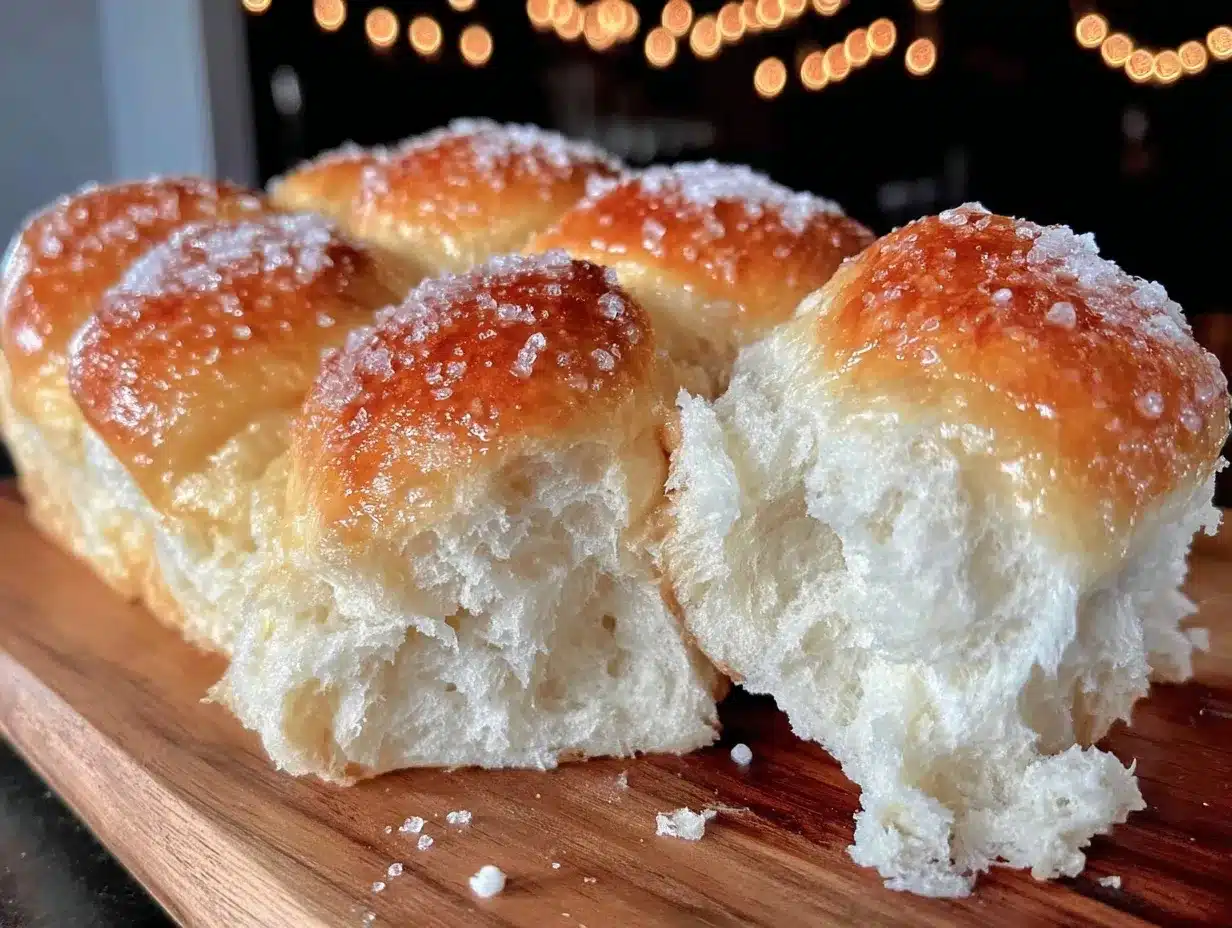
- Make the Tangzhong: In a small saucepan, whisk together ½ cup water and 3 tbsp bread flour until smooth. Place over medium heat and cook, stirring constantly, until the mixture thickens to a pudding-like consistency (about 3-5 minutes). Remove from heat and let it cool to room temperature. This step is crucial because the tangzhong helps keep the bread moist and soft.
- Mix the Dough: In a large bowl, combine 2 ½ cups bread flour, 3 tbsp sugar, 1 tsp instant yeast, and ½ tsp salt. In a separate small bowl, whisk together the warm milk, egg, softened butter, and the cooled tangzhong. Pour the wet ingredients into the dry and mix until a shaggy dough forms.
- Knead the Dough: Knead the dough on a lightly floured surface for about 10-15 minutes until it becomes smooth and elastic. If you’re using a stand mixer, use a dough hook on medium speed for 8-10 minutes. The dough should be tacky but not sticky. (If it sticks too much, sprinkle a little more flour, but be careful not to add too much or your rolls will be dense.)
- First Proof: Lightly oil a clean bowl, place the dough inside, cover with a damp towel or plastic wrap, and let it rise in a warm spot until doubled in size—about 1 to 1.5 hours. I usually let mine proof near the slightly warm stove or on top of the fridge.
- Shape the Rolls: Once risen, punch down the dough gently to release air. Divide it into 8 equal portions (about 80 g/2.8 oz each). Roll each portion into a smooth ball, then gently elongate into an oval shape. Arrange the rolls in a greased loaf pan or muffin tin, spaced slightly apart to allow expansion.
- Second Proof: Cover again and let the rolls rise for 45 minutes to 1 hour until puffy and nearly doubled. Preheat your oven to 350°F (175°C) during this time.
- Bake: Brush the rolls lightly with milk or beaten egg for a shiny crust. Bake for 20-25 minutes until golden brown on top. The bread should sound hollow when tapped and feel springy to the touch.
- Cool: Remove from oven, transfer rolls to a wire rack, and let cool completely before slicing. This cooling step helps the crumb set properly.
Pro tip: If you notice your dough is too sticky during kneading, resist the urge to add too much flour right away. Sometimes a sticky dough means the flour needs more time to hydrate. A few extra minutes of kneading can work wonders!
Cooking Tips & Techniques
When it comes to making these Japanese Shokupan milk bread rolls, a few tricks can really make a difference:
- Use Bread Flour: The higher protein content gives the bread structure and chew without losing softness.
- Temperature Control: Keep your liquids warm but not hot (around 110°F/43°C) to activate yeast without killing it.
- Don’t Rush the Proofing: Patience here means better rise and fluffier texture. If your kitchen is cold, try proofing in the oven with just the light on.
- Kneading Feel: The dough should be soft and slightly tacky, not sticky or dry. Over-flouring can lead to tough bread.
- Tangzhong Consistency: When making the water roux, it should be thick enough to leave a trail when you drag the spoon across the surface but not too stiff.
- Shaping: Handle the dough gently when shaping so you don’t deflate all the air pockets you worked hard to create.
Honestly, I once forgot to brush the rolls before baking and ended up with a dull crust that tasted just fine but lacked that inviting golden sheen. Small details like these add up in presentation and experience!
Variations & Adaptations
One of the joys of this Japanese milk bread recipe is how adaptable it is. Here are some ways to tweak it:
- Flavor Variations: Add a teaspoon of vanilla extract or a tablespoon of honey to the dough for a subtle sweetness.
- Whole Wheat Version: Swap half the bread flour for whole wheat flour for a nuttier flavor and more fiber.
- Vegan Adaptation: Replace milk with oat or almond milk, butter with coconut oil, and the egg with a flax egg (1 tbsp ground flaxseed + 3 tbsp water).
- Stuffed Rolls: Before the second proof, gently flatten each dough ball and place a spoonful of sweet red bean paste or cream cheese in the center, then seal and shape.
- Cooking Method: These rolls can be steamed instead of baked for an ultra-soft, pillowy texture, similar to traditional bao buns.
I once made a batch with matcha powder kneaded into the dough for a subtle green hue and earthy flavor. It was a hit at a weekend brunch with friends!
Serving & Storage Suggestions
The best way to enjoy these fluffy Japanese Shokupan milk bread rolls is fresh and slightly warm. Serve them with a pat of butter, jam, or even use them for sandwiches filled with your favorite ingredients.
They pair wonderfully with tea or coffee, and because of their mild flavor, they’re perfect alongside savory dishes like crispy garlic chicken or a fresh salad.
Store leftover rolls in an airtight container at room temperature for up to 2 days. For longer storage, freeze them individually wrapped for up to a month. To reheat, thaw at room temperature and warm in a toaster oven or wrapped in foil at 300°F (150°C) for 10 minutes.
Fun fact: the bread’s flavor actually deepens after a day or two, making it perfect for toast the next morning.
Nutritional Information & Benefits
Each fluffy Japanese Shokupan milk bread roll (approximately 80 g) contains roughly:
| Calories | 180 kcal |
|---|---|
| Carbohydrates | 32 g |
| Protein | 5 g |
| Fat | 3.5 g |
| Fiber | 1 g |
The key ingredients like bread flour provide complex carbohydrates for sustained energy, while milk and egg add quality protein and essential nutrients like calcium and vitamin D. The Tangzhong method reduces the need for excessive fats or preservatives, keeping the recipe wholesome.
For those with dietary restrictions, this recipe can be modified to be gluten-free or dairy-free. Just be mindful of substitutions, as they will affect texture.
Conclusion
Whether you’re new to bread baking or a seasoned pro, these Fluffy Japanese Shokupan Milk Bread Rolls using the Tangzhong method offer a comforting, reliable recipe that’s surprisingly easy to master. I love how it transforms simple ingredients into soft, tender rolls that feel like a little celebration every time I bake them.
Feel free to make them your own—switch up flavors, try different shapes, or add fillings. And please, share your successes or hilarious kitchen mishaps in the comments—I’m always curious how your kitchen adventures turn out!
Give this recipe a try—you might just find your new favorite bread that brings a little extra warmth to your table.
Frequently Asked Questions
- What is the Tangzhong method?
It’s a technique that involves cooking a portion of flour and water into a thick paste before adding it to the dough. This helps retain moisture, resulting in softer, longer-lasting bread.
- Can I use all-purpose flour instead of bread flour?
You can, but bread flour’s higher protein content helps develop gluten, giving the bread its characteristic chew and structure. Using all-purpose might yield a slightly denser roll.
- How do I know if the dough has risen enough?
The dough should roughly double in size and look puffy. A gentle poke should leave an indentation that slowly springs back.
- Can I freeze the dough before baking?
Yes! After the first rise, punch down the dough, shape into rolls, then freeze on a baking sheet. Once frozen, transfer to a freezer bag. Bake from frozen, adding extra proofing time.
- What’s the best way to get a shiny crust?
Brush the dough with milk or a beaten egg just before baking. This helps achieve that beautiful golden shine.
Pin This Recipe!
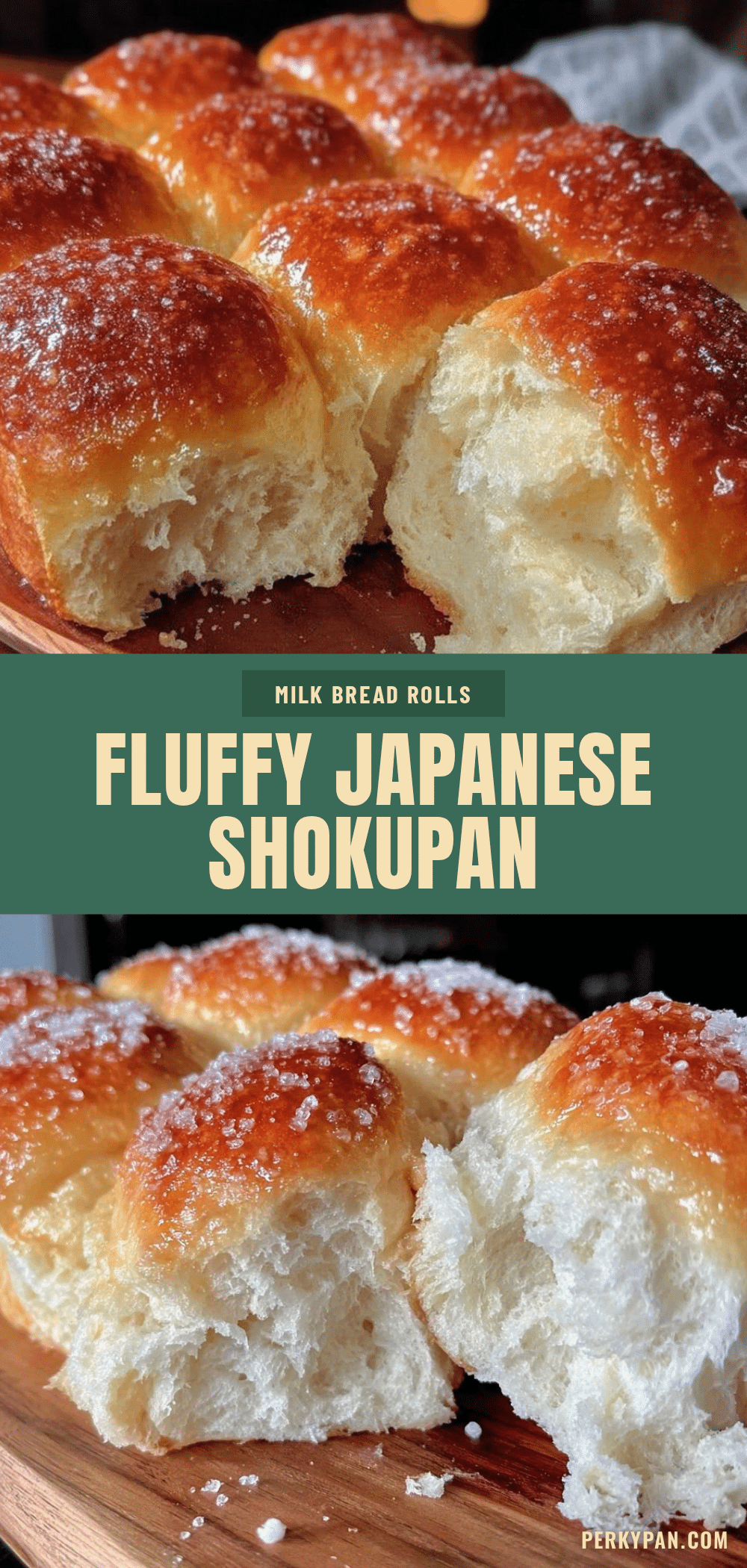
Fluffy Japanese Shokupan Milk Bread Rolls Recipe Using Tangzhong Method
This recipe yields soft, pillowy Japanese Shokupan milk bread rolls using the Tangzhong method, which keeps the bread moist and tender for days. Perfect for breakfast, snacks, or gifts, these rolls are simple to make and impress with their unique texture and subtle sweetness.
- Prep Time: 20 minutes
- Cook Time: 25 minutes
- Total Time: 2 hours 30 minutes
- Yield: 8 rolls 1x
- Category: Bread
- Cuisine: Japanese
Ingredients
- For the Tangzhong (water roux):
- ½ cup (120 ml) water
- 3 tbsp (25 g) bread flour
- For the Dough:
- 2 ½ cups (320 g) bread flour
- 3 tbsp (40 g) sugar
- 1 tsp instant yeast
- ½ tsp salt
- ½ cup (120 ml) whole milk, warmed to about 110°F (43°C)
- 2 tbsp (28 g) unsalted butter, softened
- 1 large egg (room temperature)
- Tangzhong prepared earlier
Instructions
- Make the Tangzhong: In a small saucepan, whisk together ½ cup water and 3 tbsp bread flour until smooth. Place over medium heat and cook, stirring constantly, until the mixture thickens to a pudding-like consistency (about 3-5 minutes). Remove from heat and let it cool to room temperature.
- Mix the Dough: In a large bowl, combine 2 ½ cups bread flour, 3 tbsp sugar, 1 tsp instant yeast, and ½ tsp salt. In a separate small bowl, whisk together the warm milk, egg, softened butter, and the cooled tangzhong. Pour the wet ingredients into the dry and mix until a shaggy dough forms.
- Knead the Dough: Knead the dough on a lightly floured surface for about 10-15 minutes until smooth and elastic. If using a stand mixer, knead with a dough hook on medium speed for 8-10 minutes. The dough should be tacky but not sticky.
- First Proof: Lightly oil a clean bowl, place the dough inside, cover with a damp towel or plastic wrap, and let it rise in a warm spot until doubled in size, about 1 to 1.5 hours.
- Shape the Rolls: Punch down the dough gently to release air. Divide into 8 equal portions (about 80 g/2.8 oz each). Roll each portion into a smooth ball, then gently elongate into an oval shape. Arrange rolls in a greased loaf pan or muffin tin, spaced slightly apart.
- Second Proof: Cover and let the rolls rise for 45 minutes to 1 hour until puffy and nearly doubled. Preheat oven to 350°F (175°C) during this time.
- Bake: Brush rolls lightly with milk or beaten egg for a shiny crust. Bake for 20-25 minutes until golden brown on top. Bread should sound hollow when tapped and feel springy.
- Cool: Remove from oven, transfer rolls to a wire rack, and let cool completely before slicing.
Notes
If dough is too sticky during kneading, avoid adding too much flour immediately; kneading longer helps hydrate the flour. Use bread flour for best texture. Keep liquids warm but not hot (around 110°F/43°C) to activate yeast properly. Proof dough patiently for best rise. Brush rolls with milk or beaten egg before baking for a shiny crust. Rolls can be steamed instead of baked for a softer texture. For dairy-free, substitute milk and butter with plant-based alternatives. For gluten-free, use a bread-specific gluten-free flour blend but expect texture differences.
Nutrition
- Serving Size: 1 roll (approximatel
- Calories: 180
- Fat: 3.5
- Carbohydrates: 32
- Fiber: 1
- Protein: 5
Keywords: Japanese bread, Shokupan, milk bread, Tangzhong method, soft bread rolls, homemade bread, fluffy bread, breakfast rolls