Love this? Save it for later!
Share the inspiration with your friends
My brother had refused to eat shrimp for seventeen years. Seventeen years of pushing them to the side of his plate at family dinners, of politely saying “no thank you” when my mom made her famous scampi, of eyeing my shrimp cocktail with the suspicion you’d reserve for something truly dangerous. I honestly thought it was a lost cause. Then last Tuesday, I made this garlic butter shrimp pasta “just for myself” after a brutal day, and I caught him standing at the stove with a fork, mid-twirl, sauce dripping down his chin. He didn’t even have the decency to look embarrassed.
That’s the thing about this dish, you know. It doesn’t try to convince anyone. It just sits there looking all golden and buttery, smelling like the kind of comfort that makes you forget what you thought you knew about food. I mean, I’d spent years trying to win him over with grilled shrimp, fried shrimp, shrimp tacos—you name it. But a quick 15-minute pasta situation with garlic butter? That’s the one that cracked the code. The power went out halfway through cooking that night too, but honestly, the stove still worked, and nothing was going to stop me from twirling this into my bowl.
Maybe you’ve been there—someone in your life who swears they don’t like something, and you just keep quietly making your version anyway. This recipe became my proof that sometimes the simplest things change people’s minds without you even trying. It’s why I keep coming back to it. Not just because it’s fast (though it is), not just because it tastes like something from a fancy restaurant (though it does), but because it has this quiet way of making everyone at the table stop and pay attention. Even the skeptics.
Why You’ll Love This Recipe
Let me tell you why this garlic butter shrimp pasta has earned a permanent spot in my weekly rotation. I’ve tested this recipe about seven times now—once with too much garlic (yes, that’s possible, barely), once with undercooked pasta (disaster), and once when I forgot the lemon entirely (still good, honestly, but not the same). So trust me when I say this version is the sweet spot.
- Quick & Easy: From fridge to table in 15 minutes flat. Seriously. This is the kind of meal you make when you’re starving and have zero patience left. Perfect for those weeknights when takeout is tempting but your wallet says no.
- Simple Ingredients: You probably have most of this stuff already. Butter, garlic, pasta, lemon, parsley. The shrimp is the only thing you might need to grab, and frozen works beautifully here.
- Perfect for Cozy Nights: Cold weather, rough day, or just one of those evenings where you need something warm and buttery—this pasta delivers. It’s comfort food that doesn’t take all evening to make.
- Crowd-Pleaser: My shrimp-hating brother ate two bowls. Two. Even picky eaters (okay, especially picky eaters) seem to fall for this one.
- Unbelievably Delicious: The garlic butter sauce coats every strand of pasta, and the shrimp stay perfectly tender. It’s the kind of meal where you find yourself scraping the pan for every last drop of sauce.
What makes this different from every other shrimp pasta recipe out there? It’s the technique. Most recipes tell you to cook the garlic and shrimp together, but I do them separately. Cooking the garlic first in butter creates a fragrant base, then removing it before adding the shrimp prevents burning. The result? Garlic flavor without bitterness, and shrimp that’s never overcooked. It’s a small shift, but it changes everything.
This recipe isn’t just good—it’s the kind that makes you close your eyes after the first bite. It’s comfort food reimagined: faster, simpler, but with the same soul-soothing satisfaction that makes you forget whatever went wrong that day.
What Ingredients You Will Need
This recipe uses simple, honest ingredients to create something that tastes far more complex than it is. Most of these are pantry staples, which is exactly what you want on a night when cooking feels like a chore but eating well still matters.
- 8 ounces spaghetti or linguine – I prefer De Cecco for the texture, but any quality pasta works. The key is cooking it al dente since it’ll soak up more sauce. (Use gluten-free pasta if needed, just check the cooking time.)
- 1 pound large shrimp, peeled and deveined – Look for shrimp labeled 21-25 count per pound for the best size. Frozen shrimp works perfectly—just thaw them in a bowl of cold water for 10 minutes. Pat them really dry before cooking, or they’ll steam instead of sear.
- 4 tablespoons unsalted butter – Kerrygold is my go-to for the rich flavor, but any good butter works. Salted butter is fine too—just reduce the added salt later.
- 6 cloves garlic, minced – Fresh garlic is non-negotiable here. The pre-minced stuff in jars has a different flavor and can taste bitter. Take the extra 30 seconds to chop fresh cloves.
- 1/4 teaspoon red pepper flakes – This adds a gentle warmth, not real heat. Leave it out if you’re sensitive, but honestly, it makes the dish more interesting.
- 1/2 cup dry white wine – Pinot Grigio or Sauvignon Blanc works well. No wine? Use chicken broth with a squeeze of lemon instead. (I’ve done this in a pinch and it’s still delicious.)
- 1/4 cup fresh lemon juice – About 1 large lemon. Roll it on the counter before juicing to get more out of it. Never use bottled lemon juice here—it’s too sharp and lacks the brightness fresh lemon brings.
- 1/4 cup chopped fresh parsley – Flat-leaf parsley has more flavor than curly, but either works. This adds freshness and color right at the end.
- 1/2 cup reserved pasta water – This is liquid gold. The starch in the water helps the sauce cling to the pasta and gives it that silky, restaurant-quality texture.
- Salt and black pepper to taste – I use kosher salt for seasoning the pasta water and a generous crack of black pepper at the end.
- Grated Parmesan cheese for serving – Optional but highly recommended. A fine grating over the top adds a salty, nutty finish.
One thing I’ve learned: don’t skip the pasta water. I know it sounds like an extra step, but it’s the secret to making the sauce coat every strand instead of pooling at the bottom of the bowl. I once forgot to save it and ended up with a sad, dry pasta situation. Never again.
Equipment Needed
You don’t need much for this recipe, which is part of the beauty. Here’s what you’ll want on hand:
- Large pot for boiling pasta – At least 4 quarts. Pasta needs room to move around or it gets sticky.
- Large skillet or sauté pan – A 12-inch pan gives you enough surface area to cook the shrimp in a single layer. Crowding the pan means steaming instead of searing.
- Colander for draining pasta – Nothing fancy needed.
- Measuring cups and spoons – For the wine, lemon juice, and seasonings.
- Chef’s knife and cutting board – For mincing garlic and chopping parsley.
- Tongs – For tossing the pasta with the sauce. A fork works too, but tongs make it easier.
- Microplane or grater – For the Parmesan if you’re using a block. Pre-grated cheese has anti-caking agents that prevent it from melting smoothly.
If you don’t have a large skillet, a Dutch oven works fine. I’ve even made this in a deep saucepan in a pinch. The key is having enough surface area to cook the shrimp properly. My first time making this, I used a tiny pan and ended up with rubbery shrimp. Lesson learned.
Preparation Method
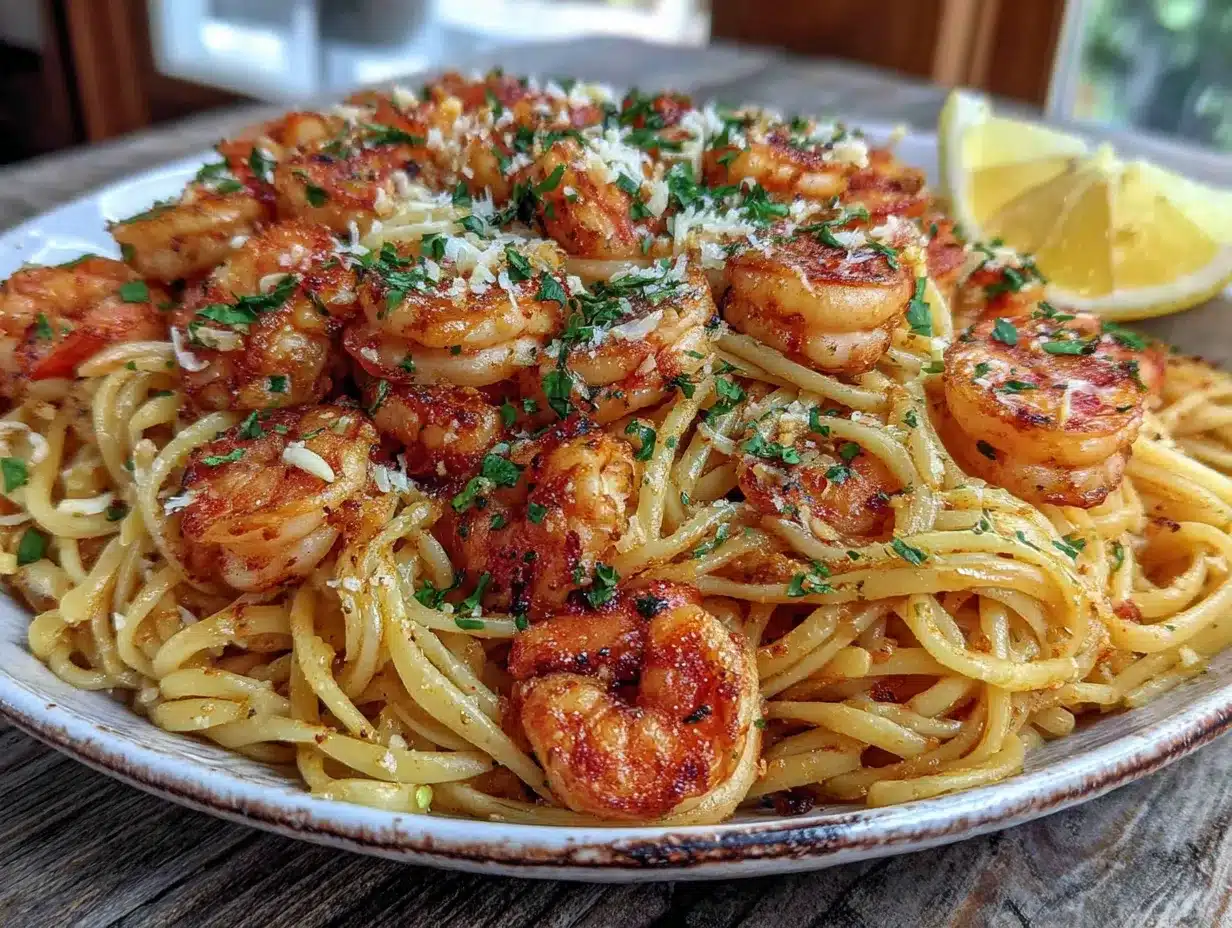
Okay, let’s get cooking. This whole thing comes together in about 15 minutes, so I like to have everything prepped before I start. Trust me, you don’t want to be hunting for the lemon juice while your garlic is browning.
- Bring a large pot of salted water to a boil. Use about 1 tablespoon of salt per 4 quarts of water—it should taste like the sea. Add the pasta and cook according to package directions until al dente. For spaghetti, that’s usually about 8-9 minutes. Before draining, scoop out 1/2 cup of the pasta water and set it aside. Then drain the pasta and set it aside.
- While the pasta cooks, pat the shrimp dry with paper towels. This is important—wet shrimp won’t get that golden sear we’re after. Season them lightly with salt and pepper on both sides.
- In a large skillet, melt 2 tablespoons of butter over medium heat. Add the minced garlic and red pepper flakes. Cook for about 30-60 seconds, stirring constantly, until the garlic is fragrant but not brown. Garlic burns fast, so keep an eye on it. If it starts browning too quickly, pull the pan off the heat for a few seconds.
- Add the shrimp to the skillet in a single layer. Cook for 2 minutes on the first side without moving them—you want a nice golden crust. Flip and cook for another 1-2 minutes until the shrimp are pink and opaque. Transfer the shrimp to a plate and set aside. Don’t overcook them; they’ll continue cooking slightly off the heat.
- Reduce the heat to low and add the remaining 2 tablespoons of butter to the same skillet. Once melted, pour in the white wine and lemon juice. Stir, scraping up any brown bits from the bottom of the pan—that’s where all the flavor lives. Let it simmer for about 1 minute.
- Add the drained pasta to the skillet along with the reserved pasta water. Toss everything together with tongs until the pasta is well coated in the sauce. The starch in the pasta water will help create a silky, clingy sauce.
- Return the shrimp to the skillet and toss gently to combine. Sprinkle in the chopped parsley and give it one more toss. Taste and adjust salt and pepper as needed.
- Serve immediately with a generous grating of Parmesan cheese on top. Garnish with extra parsley or lemon wedges if you’re feeling fancy.
A few notes from my kitchen disasters: If your sauce looks too thin, don’t panic. Toss the pasta a bit more and it’ll thicken as it cools. If it’s too thick, add another splash of pasta water. And whatever you do, don’t rinse the pasta after draining—you need that starch for the sauce to work.
Cooking Tips & Techniques
I’ve made this garlic butter shrimp pasta more times than I can count, and I’ve definitely made my share of mistakes along the way. Here’s what I’ve learned so you don’t have to repeat my failures.
Don’t overcook the shrimp. This is the number one mistake people make. Shrimp cook fast—like, 3-4 minutes total fast. They’re done when they turn pink and curl into a loose C shape. If they curl into a tight O, they’re overcooked and rubbery. I learned this the hard way when I got distracted by my phone and ended up with shrimp that bounced. Not my finest moment.
Use cold butter for the sauce. Here’s a trick I picked up from a chef friend: after cooking the shrimp, add cold butter directly to the pan instead of softened butter. The cold butter emulsifies better with the wine and lemon juice, creating a creamier sauce without any cream. It’s a small thing, but it makes a difference.
Reserve more pasta water than you think you need. I always save a full cup even though the recipe calls for half. Sometimes the sauce needs more liquid to coat the pasta properly, and you don’t want to be scrambling for water at the last minute. Plus, leftover pasta water is great for thinning out leftovers the next day.
Time your cooking so everything finishes together. Start the pasta first, then start the garlic butter sauce when the pasta has about 5 minutes left. This way, the pasta goes straight from the colander to the skillet while it’s still hot. Cold pasta doesn’t absorb sauce as well, and you lose that beautiful emulsion.
Don’t skip the lemon. I once thought, “Eh, I don’t have a lemon, I’ll just use extra wine.” Bad idea. The lemon brightens everything and cuts through the richness of the butter. Without it, the dish feels heavy and one-note. If you’re out of lemons, a splash of white wine vinegar works in a pinch, but fresh lemon really is best.
Variations & Adaptations
One of the best things about this recipe is how flexible it is. Here are some ways I’ve adapted it depending on what I have on hand or who I’m feeding.
Dairy-Free Version: Swap the butter for a good quality olive oil and use dairy-free Parmesan. I’ve made this with a garlic-infused olive oil and honestly, it’s a different dish but equally delicious. The sauce won’t be as rich, but the lemon and garlic still shine.
Gluten-Free Option: Use your favorite gluten-free pasta. I recommend a brown rice or chickpea pasta for the best texture. Just be careful with the cooking time—gluten-free pasta can go from al dente to mush fast. And definitely save that pasta water; gluten-free pasta needs all the help it can get with sauce adhesion.
Add Vegetables: Toss in a handful of spinach or arugula right at the end and let it wilt in the residual heat. Or add cherry tomatoes with the garlic for a burst of sweetness. I once added zucchini ribbons and it turned into a whole different meal—lighter, fresher, perfect for summer.
Kick Up the Heat: If you like spicy food, double the red pepper flakes or add a minced serrano pepper with the garlic. My brother-in-law loves it this way, and I have to admit, the heat plays nicely with the butter and lemon.
Protein Swap: No shrimp? Use scallops, chunks of firm white fish, or even sliced chicken breast. The cooking time will vary, but the sauce works beautifully with any mild protein. I’ve even made this with leftover rotisserie chicken in a pinch, and it was surprisingly good.
Herb Variations: No parsley? Try fresh basil, chives, or even a little dill. Each herb gives the dish a different personality. Basil makes it feel Italian, dill gives it a Scandinavian twist, and chives keep it light and oniony.
My personal favorite variation? I add a splash of heavy cream sometimes when I’m feeling indulgent. It turns the sauce into something almost decadent—like a garlic butter Alfredo. It’s not for every night, but on a cold, rainy Tuesday? Absolutely worth it.
Serving & Storage Suggestions
This pasta is best served immediately, straight from the skillet to the bowl, while the sauce is still glossy and the shrimp are tender. That said, here’s how to make the most of it whether you’re eating now or saving some for later.
Serving Temperature: Serve hot, but not piping boiling hot. Let it sit for about a minute after tossing—this lets the sauce settle and coat every strand properly. A final grating of Parmesan right before serving adds a salty, nutty finish that ties everything together.
What to Serve With It: A simple green salad with a lemon vinaigrette is perfect—it cuts through the richness. Crusty bread is also great for sopping up any leftover garlic butter sauce. For drinks, a crisp white wine like Pinot Grigio or a light beer works beautifully. On cozy nights, I serve it with a side of roasted broccoli or asparagus.
Storage: Store leftovers in an airtight container in the refrigerator for up to 3 days. The pasta will absorb some of the sauce overnight, so it won’t be as saucy the next day, but the flavor actually deepens. I’ve eaten this cold straight from the fridge and honestly, it’s still pretty great.
Reheating: The best way to reheat is in a skillet over medium-low heat with a splash of water or chicken broth. Toss gently until warmed through—about 3-4 minutes. The microwave works in a pinch, but it tends to dry out the shrimp. If you must microwave, do it in 30-second bursts and stir between each.
Freezing: I don’t recommend freezing this dish. The shrimp can become rubbery and the sauce can separate when thawed. If you have leftover shrimp and sauce, freeze them separately from the pasta and toss with freshly cooked pasta later.
One thing I’ve noticed: the flavors really meld together after about 24 hours in the fridge. The garlic mellows, the lemon brightens, and everything becomes more cohesive. Leftovers almost taste different—in a good way. It’s like the dish needed a night to settle into itself.
Nutritional Information & Benefits
Here’s the nutritional breakdown for one serving (about 1/4 of the recipe, without Parmesan):
- Calories: 485
- Protein: 32g
- Fat: 18g
- Carbohydrates: 48g
- Fiber: 2g
- Sugar: 2g
- Sodium: 680mg
Shrimp is an excellent source of lean protein, providing about 20g per 3-ounce serving. It’s also rich in selenium, vitamin B12, and iodine—nutrients that support thyroid function and immune health. Plus, shrimp is low in calories and saturated fat compared to other protein sources.
The garlic in this recipe isn’t just for flavor. Garlic contains allicin, a compound known for its anti-inflammatory and immune-boosting properties. And the lemon juice provides a good dose of vitamin C, which helps with iron absorption and skin health.
This dish is naturally low in sugar and can be made gluten-free or dairy-free with simple swaps. It’s also a good option for those watching their carbohydrate intake, especially if you use a legume-based pasta or zucchini noodles. The butter adds richness, but you can reduce it or swap for olive oil to lower the saturated fat content.
From my perspective, this is the kind of meal that feels indulgent but is actually pretty balanced. It’s got protein, carbs for energy, and a solid dose of flavor that keeps you satisfied without feeling heavy. I love that I can serve it to my family knowing it’s both delicious and nourishing.
Conclusion
This garlic butter shrimp pasta has become my go-to for those nights when I need something fast, comforting, and genuinely satisfying. It’s the recipe I turn to after a long day, when I’m tired and hungry and just want food that feels like a hug. And honestly, it delivers every single time.
I love that it’s simple enough for a Tuesday night but impressive enough for company. I love that it uses ingredients I usually have on hand. And I really love that it converted my shrimp-hating brother—though he’d never admit it was the recipe that did it. He just says he “changed his mind.” Sure, bro.
Try this recipe and make it your own. Add extra garlic if you’re bold. Throw in some cherry tomatoes if you have them. Skip the wine and use broth. The beauty of this dish is that it’s forgiving—it wants to be made, and it wants to be eaten. So go ahead. Give it a shot. And when you do, come back and tell me how it went. Did you add something unexpected? Did it win over a skeptic at your table? I’d love to hear your story.
Until next time, happy cooking—and don’t forget the Parmesan.
Frequently Asked Questions
Can I use frozen shrimp for this recipe?
Absolutely. Frozen shrimp works great. Just thaw them in a bowl of cold water for about 10 minutes, then pat them very dry with paper towels before cooking. The key is removing as much moisture as possible so they sear instead of steam.
What if I don’t have white wine?
No problem. Substitute the wine with an equal amount of chicken or vegetable broth, plus an extra squeeze of lemon juice. The broth adds savory depth, and the lemon provides the acidity you’d get from wine. I’ve done this many times and it’s still delicious.
Can I make this ahead of time?
This dish is best eaten fresh, but you can prep the ingredients ahead. Peel and devein the shrimp, mince the garlic, and chop the parsley up to a day in advance. Store everything separately in the fridge. When you’re ready to eat, the actual cooking takes just 15 minutes.
How do I keep the shrimp from getting rubbery?
Don’t overcook them. Shrimp cook in 3-4 minutes total—2 minutes on the first side, 1-2 minutes on the second. They’re done when they turn pink and curl into a loose C shape. Remove them from the heat immediately. Also, patting them dry before cooking helps them sear quickly without steaming.
Can I use a different type of pasta?
Yes, any long pasta works well—linguine, fettuccine, angel hair, or even bucatini. Short pastas like penne or fusilli also work, though the sauce might not cling as well. Just cook whatever pasta you choose to al dente and save that pasta water. It’s the secret to a great sauce.
Pin This Recipe!
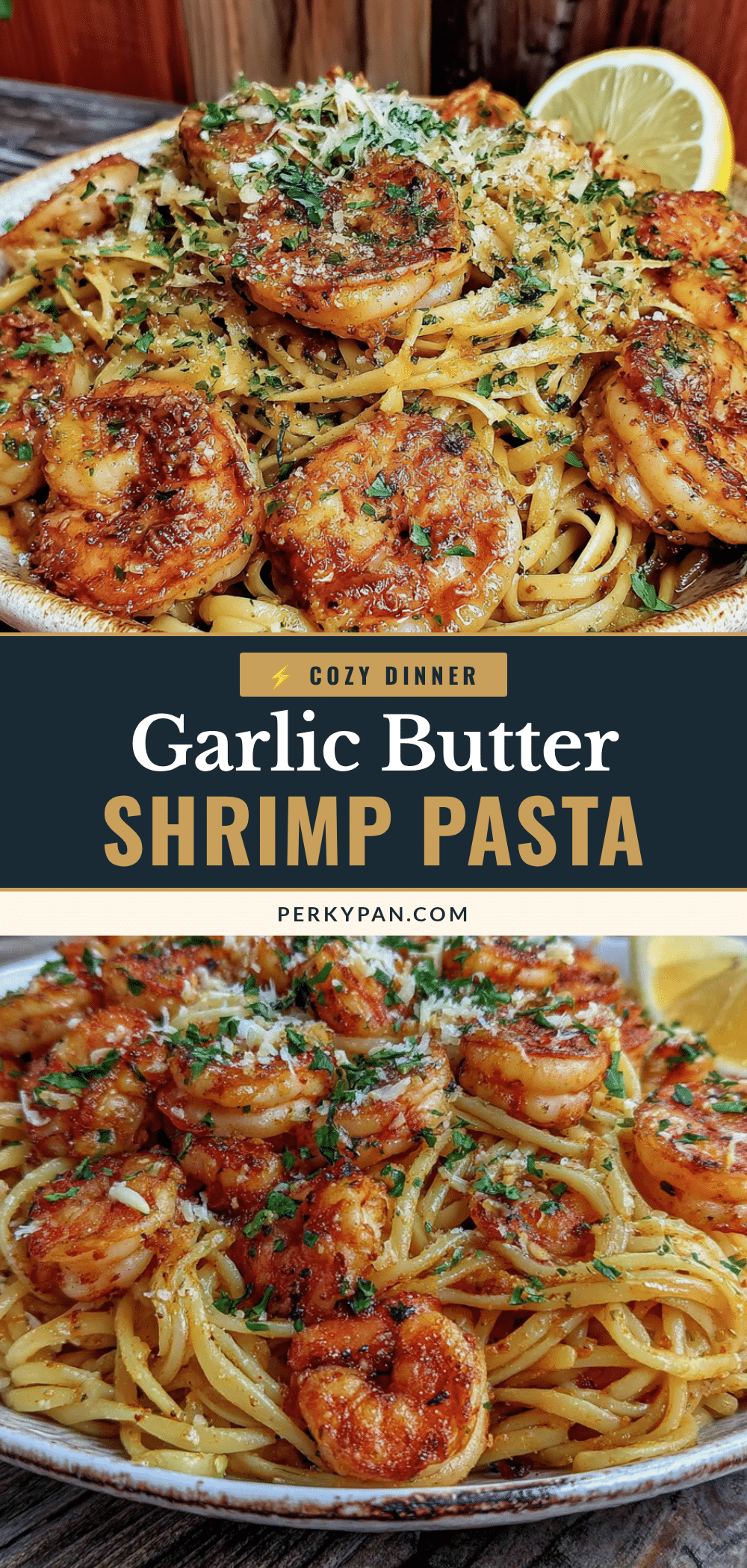
Cozy 15-Minute Garlic Butter Shrimp Pasta: The Best Easy Dinner
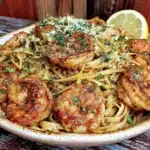
A quick and comforting garlic butter shrimp pasta that comes together in just 15 minutes. This simple yet flavorful dish features tender shrimp, al dente pasta, and a silky garlic butter sauce that will win over even the pickiest eaters.
- Prep Time: 5 minutes
- Cook Time: 10 minutes
- Total Time: 15 minutes
- Yield: 4 servings 1x
- Category: Main Course
- Cuisine: Italian-American
Ingredients
- 8 ounces spaghetti or linguine
- 1 pound large shrimp, peeled and deveined
- 4 tablespoons unsalted butter
- 6 cloves garlic, minced
- 1/4 teaspoon red pepper flakes
- 1/2 cup dry white wine
- 1/4 cup fresh lemon juice
- 1/4 cup chopped fresh parsley
- 1/2 cup reserved pasta water
- Salt and black pepper to taste
- Grated Parmesan cheese for serving
Instructions
- Bring a large pot of salted water to a boil. Add the pasta and cook according to package directions until al dente. Before draining, scoop out 1/2 cup of the pasta water and set it aside. Then drain the pasta and set it aside.
- While the pasta cooks, pat the shrimp dry with paper towels. Season them lightly with salt and pepper on both sides.
- In a large skillet, melt 2 tablespoons of butter over medium heat. Add the minced garlic and red pepper flakes. Cook for about 30-60 seconds, stirring constantly, until the garlic is fragrant but not brown.
- Add the shrimp to the skillet in a single layer. Cook for 2 minutes on the first side without moving them. Flip and cook for another 1-2 minutes until the shrimp are pink and opaque. Transfer the shrimp to a plate and set aside.
- Reduce the heat to low and add the remaining 2 tablespoons of butter to the same skillet. Once melted, pour in the white wine and lemon juice. Stir, scraping up any brown bits from the bottom of the pan. Let it simmer for about 1 minute.
- Add the drained pasta to the skillet along with the reserved pasta water. Toss everything together with tongs until the pasta is well coated in the sauce.
- Return the shrimp to the skillet and toss gently to combine. Sprinkle in the chopped parsley and give it one more toss. Taste and adjust salt and pepper as needed.
- Serve immediately with a generous grating of Parmesan cheese on top. Garnish with extra parsley or lemon wedges if desired.
Notes
Don’t overcook the shrimp; they are done when they turn pink and curl into a loose C shape. Use cold butter for the sauce to help emulsify. Reserve more pasta water than you think you need. Time your cooking so everything finishes together. Don’t skip the lemon.
Nutrition
- Serving Size: 1/4 of recipe
- Calories: 485
- Sugar: 2
- Sodium: 680
- Fat: 18
- Carbohydrates: 48
- Fiber: 2
- Protein: 32
Keywords: garlic butter shrimp pasta, easy shrimp pasta, 15 minute pasta, quick dinner, shrimp recipe, garlic butter sauce