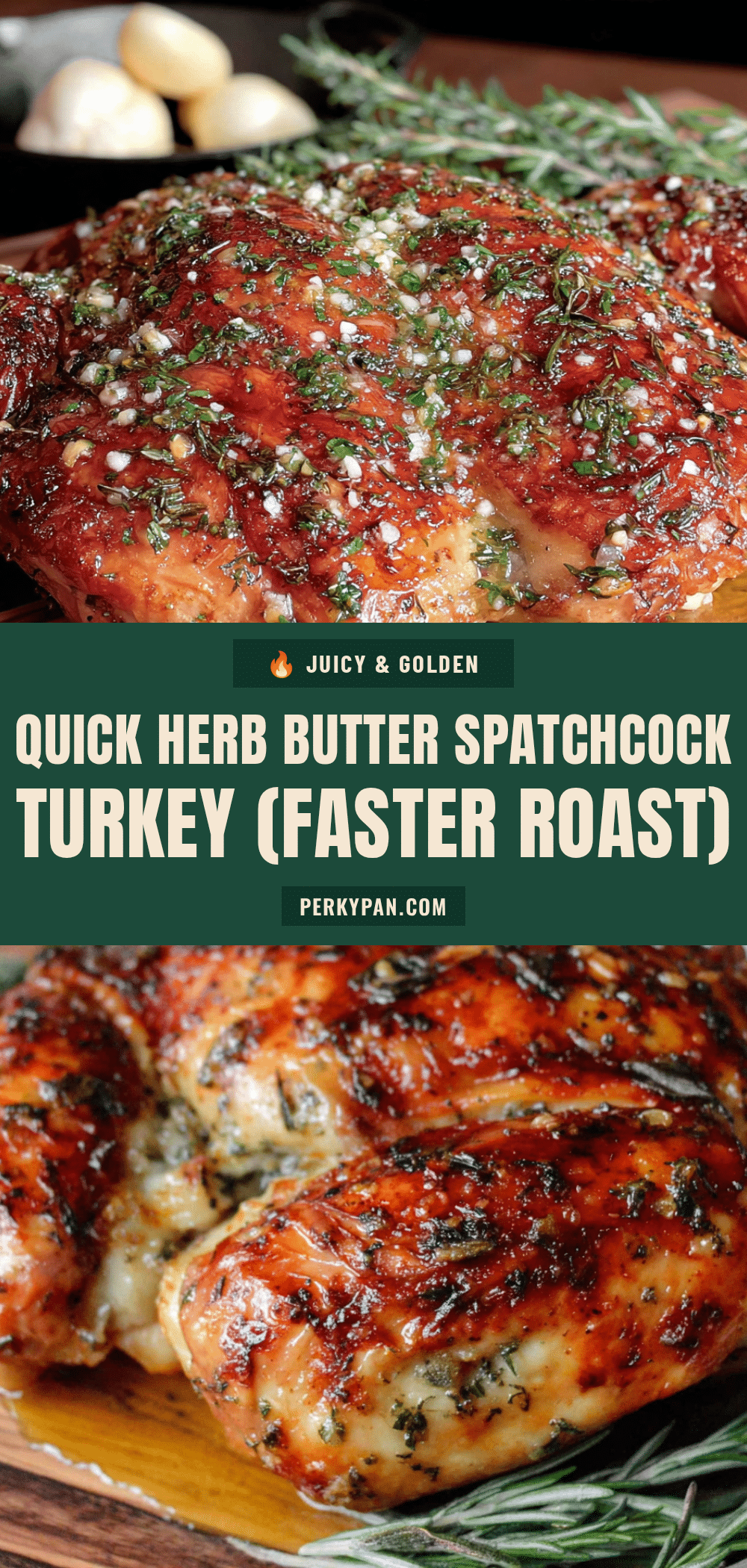
Love this? Save it for later!
Share the inspiration with your friends
I was standing in the grocery store parking lot last November, clutching a bag of ice and trying to remember if I’d turned the oven off at home, when the smell hit me. It wasn’t from anywhere nearby — no food trucks, no open door from the deli. It was just there, hanging in the cold air: that sharp, peppery scent of rosemary mixing with garlic and melting butter. And just like that, I was eleven years old, standing in my neighbor Mrs. Kowalski’s kitchen, watching her wrestle a turkey onto a sheet pan like she was wrangling a small dinosaur.
Mrs. Kowalski was the kind of cook who didn’t use recipes. She’d just throw things together, muttering to herself, and somehow everything came out perfect. I remember her telling me once that the secret to a good bird wasn’t the stuffing or the basting — it was “giving it some air,” she’d said, fanning her hand over the raw turkey. I didn’t get it then. I mean, I was eleven. I cared more about stealing a pinch of the streusel topping she’d set aside for dessert.
But that parking lot moment — honestly, it hit me like a ton of bricks. I’d been dreading Thanksgiving for weeks. Not the holiday itself, but the cooking. A whole turkey takes forever, and let’s face it, the breast is always dry by the time the thighs are done. I’d been searching for a faster way, a smarter way, something that didn’t tie me to the kitchen for six hours. And then, standing there with my ice melting through the bag, I remembered her words. Give it some air.
That’s when the spatchcock method clicked for me. You know that feeling when a puzzle piece finally fits? I went home, grabbed a pair of kitchen shears, and gave it a shot. No roasting pan, no fuss, just a butterflied bird lying flat on a sheet pan, covered in herb butter. It cooked in half the time. The skin got crispy in a way I’d never managed before. And the whole house smelled like Mrs. Kowalski’s kitchen — that same rosemary-garlic perfume I’d been chasing for years.
This quick herb butter spatchcock turkey has become my go-to for any occasion that demands a roast bird without the all-day commitment. It’s the recipe I turn to when I want something impressive but don’t have the patience for tradition. And honestly? It tastes better than any upright, trussed, basted bird I’ve ever made. Maybe that’s the real secret — sometimes you have to break the rules to get the feeling right.
Why You’ll Love This Recipe
Let me tell you why this quick herb butter spatchcock turkey is about to become your new favorite way to cook a bird. I’ve tested this method more times than I can count, tweaking the butter mixture, adjusting the oven temp, even trying it on different-sized turkeys. And every single time, it delivers.
- Fast & Efficient: A traditional whole turkey can take 4 to 5 hours. This spatchcock method cuts that down to about 90 minutes, depending on the size. You read that right — a full roast turkey in under two hours. Perfect for busy weeknights or when you forgot to defrost early enough.
- Simple Pantry Ingredients: You don’t need any fancy specialty items. Butter, garlic, rosemary, thyme, salt, pepper — that’s the backbone. Chances are you already have most of this in your kitchen right now.
- Perfect for Any Occasion: Whether it’s a regular Tuesday dinner, a small Thanksgiving gathering, or a Sunday roast that doesn’t eat up your whole afternoon, this recipe fits. It’s impressive enough for guests but easy enough for a regular meal.
- Crowd-Pleaser: I’ve served this to picky eaters, turkey skeptics, and people who swear they “don’t like white meat.” Every single plate came back clean. The even cooking means both white and dark meat stay juicy.
- Unbelievably Crispy Skin: When the bird lies flat, the skin gets exposed to heat from all sides. That means crackling, golden-brown skin that shatters when you bite into it. No more flabby, rubbery skin.
What makes this recipe different from the rest? It’s the technique. Spatchcocking — removing the backbone and flattening the bird — isn’t new, but pairing it with a compound herb butter that gets rubbed both under and over the skin takes it to another level. The butter bastes the meat from the inside out while the flat surface ensures even cooking. This isn’t just another turkey recipe. It’s the one that fixes everything that used to frustrate you about roasting a bird.
And here’s the emotional part: this recipe is the kind that makes you close your eyes after the first bite. It’s comfort food reimagined — faster, juicier, but with the same soul-soothing satisfaction of a traditional roast. Perfect for when you want to impress without stress, or turn a simple dinner into something memorable.
What Ingredients You Will Need
This recipe uses simple, wholesome ingredients to deliver bold flavor and satisfying texture without the fuss. Most of these are pantry staples, which makes this dish perfect for last-minute plans or when you just want a good meal without a special trip to the store.
For the Herb Butter
- Unsalted butter, 1/2 cup (1 stick), softened to room temperature — using unsalted lets you control the salt level
- Fresh garlic, 4 cloves, minced (about 1 heaping tablespoon) — adds that sharp, savory punch
- Fresh rosemary, 2 tablespoons, finely chopped — I recommend using fresh here; dried just doesn’t give the same pop
- Fresh thyme, 1 tablespoon, leaves stripped from stems — adds an earthy, slightly floral note
- Fresh parsley, 2 tablespoons, finely chopped — brightens everything up
- Lemon zest, from 1 medium lemon — this is the secret ingredient that cuts through the richness
- Salt, 1 teaspoon — I use kosher salt for better control
- Black pepper, 1/2 teaspoon, freshly ground
- Optional pinch of red pepper flakes — if you like a tiny bit of heat, add this
For the Turkey
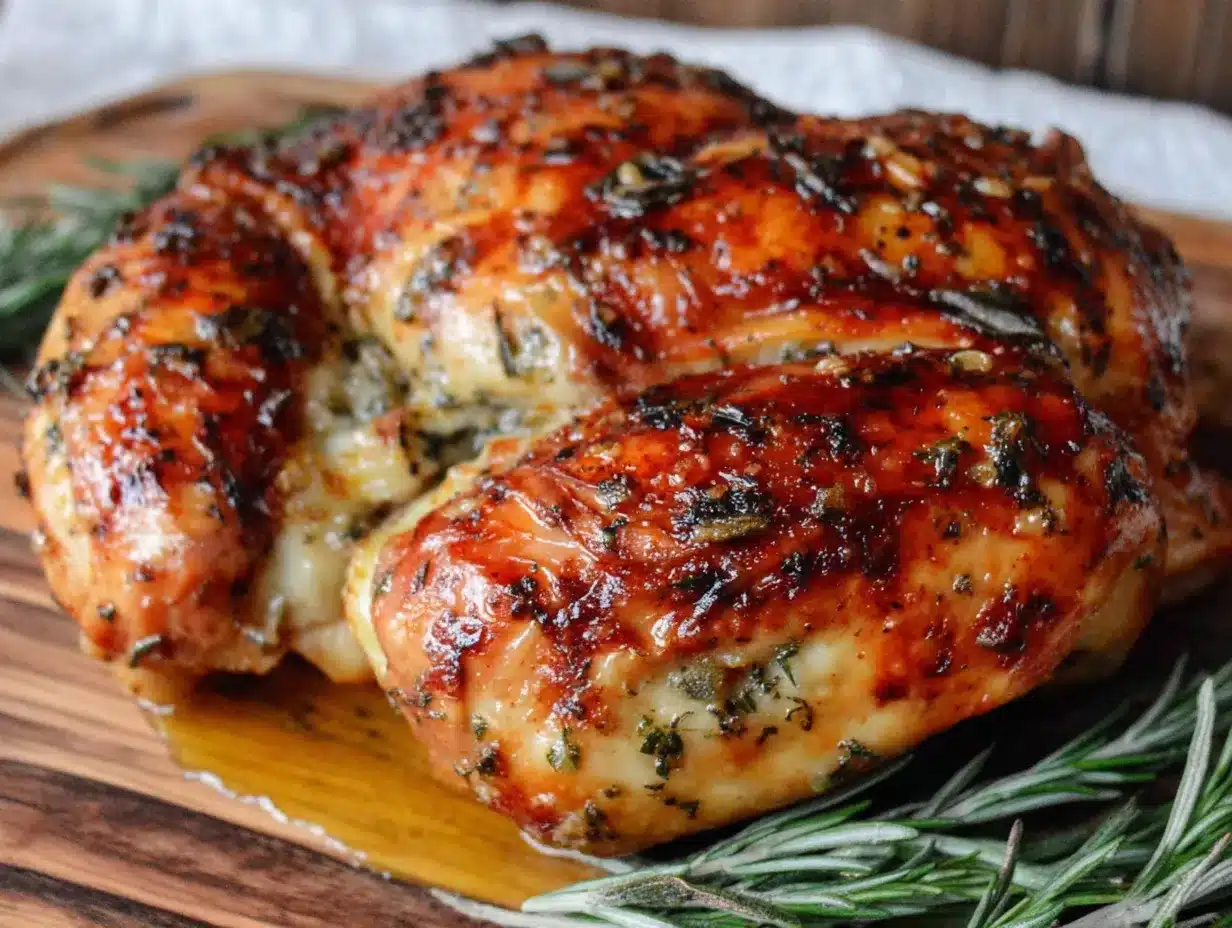
- Whole turkey, 10 to 12 pounds, thawed if frozen — I’ve tested this with birds from 8 to 14 pounds, and 10 to 12 is the sweet spot for even cooking
- Olive oil, 2 tablespoons — helps the skin crisp up even more
- Additional salt and pepper, for seasoning the outside
- Optional aromatics for the pan: 1 onion, quartered, and 2 carrots, roughly chopped — these aren’t for eating; they add flavor to the drippings if you want to make gravy
Ingredient Selection Tips: For the best herb butter, use butter that’s truly at room temperature — leave it out for about an hour. Cold butter won’t mix well with the herbs and won’t spread under the skin. For the rosemary, look for bunches with bright green, pliable needles. Avoid any that look brown or brittle. If you only have dried herbs on hand, use about one-third of the amount specified for fresh, but honestly, fresh makes a huge difference here.
Substitution Guidance: You can swap the butter with vegan butter or olive oil for a dairy-free version. The texture won’t be quite as rich, but it still works. If you don’t have fresh thyme, use 1 teaspoon of dried. No fresh rosemary? Use 2 teaspoons dried, crushed between your fingers to release the oils. The lemon zest can be replaced with 1/2 teaspoon of dried lemon peel or even a splash of lemon juice mixed into the butter — though zest gives a cleaner flavor.
Equipment Needed
You don’t need a lot of fancy gear for this recipe, which is part of what makes it so approachable. Here’s what you’ll need:
- Kitchen shears — these are essential for cutting out the backbone. A good, sharp pair makes the job easy. If you don’t have kitchen shears, you can use a sharp chef’s knife, but it’s trickier. I recommend a sturdy pair of poultry shears if you cook chicken or turkey often.
- Large sheet pan — a rimmed baking sheet, about 13×18 inches, works perfectly. The rim catches any juices without steaming the skin. I’ve used both aluminum and stainless steel; both work fine.
- Wire rack — optional but recommended. Placing the turkey on a rack set inside the sheet pan allows hot air to circulate underneath, making the bottom skin crispy too. If you don’t have one, just place the turkey directly on the pan — it still works, the bottom just won’t get as crispy.
- Small bowl — for mixing the herb butter
- Chef’s knife and cutting board — for chopping herbs and prepping aromatics
- Instant-read thermometer — this is non-negotiable for me. It takes the guesswork out of doneness. I’ve used the same Thermapen for years, and it’s worth every penny.
- Paper towels — for drying the turkey skin thoroughly before adding the butter
Budget-Friendly Options: If you don’t have kitchen shears, ask your butcher to spatchcock the turkey for you — most will do it for free. No wire rack? Crumple up some aluminum foil into coils and place the turkey on top. No instant-read thermometer? Check doneness by piercing the thigh with a knife; if the juices run clear, it’s done. But honestly, a thermometer is a game-changer.
Preparation Method
This method might look intimidating if you’ve never spatchcocked a bird before, but I promise it’s easier than it sounds. Take it step by step, and you’ll have it down in no time.
- Preheat your oven to 425°F (220°C). Position the rack in the middle of the oven. A hot oven is key for crispy skin.
- Make the herb butter. In a small bowl, combine the softened butter, minced garlic, chopped rosemary, thyme, parsley, lemon zest, 1 teaspoon salt, and 1/2 teaspoon black pepper. Mix until everything is evenly distributed. If you’re adding the red pepper flakes, stir them in now. Set aside at room temperature.
- Pat the turkey completely dry. Remove the turkey from its packaging and take out the giblets and neck (save them for stock if you like). Rinse the turkey inside and out with cold water, then dry it thoroughly with paper towels. This step is crucial — wet skin won’t crisp up. I usually go through 4 or 5 paper towels to make sure it’s really dry.
- Spatchcock the turkey. Place the turkey breast-side down on a cutting board. Using your kitchen shears, cut along one side of the backbone, from the tail end all the way up to the neck. Repeat on the other side. The backbone should come out in one piece. Save it for making broth later if you want. Flip the turkey over and press down firmly on the breastbone with the heels of your hands until you hear a crack. The turkey should now lie flat. Don’t be shy — put your weight into it.
- Loosen the skin. Gently slide your fingers under the skin of the turkey breast, working from the neck end down to the legs. Be careful not to tear the skin. You want to create pockets for the herb butter.
- Apply the herb butter. Take about two-thirds of the herb butter and spread it directly onto the meat under the skin. Use your fingers to massage it evenly over the breast and the tops of the thighs. Then spread the remaining butter all over the outside of the turkey, including the legs and wings. Don’t forget the underside.
- Season the outside. Drizzle the olive oil over the turkey and rub it in. Sprinkle generously with additional salt and pepper. This double layer of seasoning builds flavor.
- Arrange on the pan. Place the turkey flat on your sheet pan, either directly on the pan or on a wire rack. If using aromatics, scatter the quartered onion and chopped carrots around the turkey. Tuck the wing tips under the bird so they don’t burn.
- Roast the turkey. Place the pan in the preheated oven. Roast for about 12 to 15 minutes per pound. For a 12-pound turkey, that’s roughly 1 hour and 30 minutes to 1 hour and 45 minutes. Start checking the temperature at the 1-hour mark. You’re looking for 165°F (74°C) in the thickest part of the breast and 175°F (80°C) in the thigh. The thigh can go a bit higher without drying out.
- Rest before carving. Once the turkey reaches the right temperature, remove it from the oven. Tent it loosely with foil and let it rest for 15 to 20 minutes. This lets the juices redistribute so the meat stays moist when you carve it.
- Carve and serve. Since the turkey is flat, carving is different from a traditional bird. I find it easiest to cut each leg and thigh off first, then slice the breast meat. The flat shape makes the breast slices more uniform. Serve immediately with the pan juices spooned over the top.
Troubleshooting Tip: If the skin is browning too quickly, tent the turkey loosely with foil for the last 20 minutes of cooking. If it’s not browning enough, increase the oven temperature to 450°F for the last 10 minutes. Every oven runs differently, so trust your eyes and your thermometer.
Sensory Cue: When the turkey is done, the skin should be deep golden brown and crispy to the touch. The juices should run clear when you pierce the thigh. The smell — that rosemary-garlic-butter combo — should fill your entire kitchen. That’s how you know it’s ready.
Cooking Tips & Techniques
Over the years, I’ve learned a few tricks that make this recipe even better. Here are my best tips, learned through trial and error.
Don’t skip the drying step. I know it seems tedious, but moisture is the enemy of crispy skin. If you have time, pat the turkey dry and then leave it uncovered in the fridge for a few hours or even overnight. This dries out the skin even more and gives you an extra-crispy result. I’ve done this for holiday dinners and it’s a game-changer.
Use room-temperature butter. Cold butter won’t spread under the skin evenly. Leave it out for at least an hour before mixing the herb butter. If you forget, you can microwave it in 5-second bursts, but be careful not to melt it. You want it soft, not liquid.
Get under the skin. This is the most important step for flavor. The herb butter on the outside is good, but the butter under the skin bastes the meat from within as it melts. It keeps the breast meat incredibly moist and infuses it with herb flavor. Don’t rush this step.
Use a thermometer, not a timer. I’ve made the mistake of relying on cooking times alone, and I’ve ended up with dry turkey more times than I’d like to admit. An instant-read thermometer takes the guesswork out. Insert it into the thickest part of the breast and the thigh. When the breast hits 165°F, you’re done. Don’t wait for the thigh to reach that same temperature — it naturally cooks slower and is safe at higher temps.
Let it rest. I know you’re hungry. I know the kitchen smells amazing. But cutting into the turkey right away will release all those juices onto the cutting board. A 15-minute rest makes a noticeable difference in juiciness. Use that time to make gravy or set the table.
My biggest failure: The first time I spatchcocked a turkey, I forgot to remove the giblets before cooking. The bag was still inside the cavity. I didn’t realize until I flipped the bird over and saw this plastic bag peeking out. The turkey was fine — the bag didn’t melt — but I felt like an idiot. So check for giblets. Twice.
Variations & Adaptations
This recipe is flexible, and I’ve tried several variations over the years. Here are some of my favorites.
Citrus Herb Butter: Add the zest of one orange along with the lemon zest, and swap the parsley for fresh tarragon. The orange adds a sweetness that pairs beautifully with the garlic and rosemary. I made this for a Christmas dinner once, and everyone asked for the recipe.
Spicy Chipotle Butter: Replace the rosemary and thyme with 2 teaspoons of chipotle powder and 1 teaspoon of smoked paprika. Add a tablespoon of honey to balance the heat. This version is smoky, spicy, and slightly sweet. Perfect if you want to shake up the traditional flavor profile.
Garlic and Herb Butter: Double the garlic to 8 cloves and add 2 tablespoons of fresh sage, finely chopped. This is for serious garlic lovers. The sage gives it an almost sausage-like flavor that’s incredibly comforting. I’ve used this version for Thanksgiving and it was a hit.
Dairy-Free Version: Replace the butter with 1/2 cup of olive oil mixed with 2 tablespoons of nutritional yeast for a buttery flavor. The oil won’t solidify like butter, so it’s harder to spread under the skin, but you can use a brush to work it in. The skin gets extra crispy with oil, which is a nice bonus.
Herb Butter Chicken: This same technique works perfectly for a whole chicken. Use a 4 to 5-pound chicken and roast at 425°F for about 45 to 55 minutes. The cooking time is much shorter, and the result is just as juicy and flavorful. I make this version on regular weeknights when I want a quick roast dinner.
Smoked Spatchcock Turkey: If you have a smoker, this recipe works beautifully on it. Set the smoker to 275°F and use wood chips like apple or cherry. Smoke for about 3 to 4 hours, or until the internal temperature reaches 165°F. The herb butter keeps the meat moist while the smoke adds a layer of flavor you can’t get from the oven.
Serving & Storage Suggestions
This turkey is best served fresh from the oven, but here’s how to make the most of it.
Serving Temperature: Serve the turkey hot, right after the resting period. The skin is at its crispiest within the first 20 minutes after coming out of the oven. If you need to hold it longer, keep it loosely tented with foil, but expect some softening of the skin.
Presentation: Since the turkey is flat, it doesn’t look like a traditional roast bird. That’s okay. Arrange it on a large platter with fresh herbs and lemon slices around the edges. I like to scatter some fresh rosemary sprigs and thyme branches over the top for a rustic look. The golden-brown skin speaks for itself.
Complementary Dishes: This turkey pairs well with classic sides. Mashed potatoes soak up the pan juices beautifully. Roasted vegetables like carrots, Brussels sprouts, or green beans add color and texture. A simple salad with a lemon vinaigrette cuts through the richness. For gravy, deglaze the sheet pan with a cup of chicken broth and a splash of white wine, then thicken with a cornstarch slurry.
Storage Instructions: Leftover turkey can be stored in an airtight container in the refrigerator for up to 4 days. The herb butter flavor actually deepens as it sits, so leftovers are delicious cold or reheated. For longer storage, wrap the turkey tightly in plastic wrap and then foil, and freeze for up to 3 months. Thaw in the refrigerator overnight before reheating.
Reheating Methods: The best way to reheat turkey without drying it out is in the oven. Place slices in a baking dish, add a splash of chicken broth, cover with foil, and warm at 300°F for about 10 to 15 minutes. For individual portions, the microwave works in a pinch, but the texture won’t be as good. I prefer to use leftover turkey in soups, salads, or sandwiches rather than trying to recreate the original roast experience.
Flavor Development: The herb butter flavor mellows and melds with the turkey over time. Cold leftover turkey has a cleaner, more herbaceous taste. I actually love making turkey salad with the leftovers — the herbs in the butter season the meat perfectly without needing extra seasoning.
Nutritional Information & Benefits
Here’s the estimated nutritional breakdown for a serving of this herb butter spatchcock turkey, based on a 6-ounce portion of meat with skin.
| Nutrient | Amount per Serving |
|---|---|
| Calories | 380 |
| Protein | 45g |
| Fat | 22g |
| Saturated Fat | 10g |
| Carbohydrates | 1g |
| Fiber | 0g |
| Sugar | 0g |
| Sodium | 480mg |
Health Benefits: Turkey is a fantastic source of lean protein, which supports muscle health and keeps you feeling full. It’s also rich in B vitamins, particularly B6 and B12, which help with energy metabolism and brain function. The garlic in the herb butter contains allicin, a compound linked to immune support and heart health. Rosemary and thyme are both antioxidant-rich herbs that add flavor without extra calories or sodium.
Dietary Considerations: This recipe is naturally gluten-free, low-carb, and keto-friendly. If you’re watching your sodium, reduce the salt in the herb butter to 1/2 teaspoon and skip the extra salt on the outside. The herb flavors are strong enough to carry the dish even with less salt.
Potential Allergens: This recipe contains dairy from the butter. For a dairy-free version, substitute olive oil or vegan butter as mentioned in the variations section. The recipe is free of nuts, eggs, soy, and shellfish.
My Wellness Perspective: I love that this recipe lets me enjoy a traditional roast without the all-day commitment or the excessive fat of a basted bird. The herb butter adds richness, but you control how much goes on. It’s a balanced way to enjoy comfort food that still fits into a health-conscious lifestyle.
Conclusion
This quick herb butter spatchcock turkey has completely changed how I approach roast poultry. It’s faster, juicier, and more flavorful than any traditional method I’ve tried. The technique might seem unusual at first, but once you taste that crispy skin and tender meat, you’ll understand why I keep coming back to it.
I encourage you to make this recipe your own. Play with the herb combinations, adjust the spice level, or try it on a chicken for a weeknight dinner. The beauty of this method is that it’s forgiving and adaptable. You don’t have to be a professional chef to nail it.
For me, this recipe is more than just a faster way to cook a turkey. It’s a reminder that sometimes the best solutions come from questioning tradition. Mrs. Kowalski knew that. She didn’t follow recipes — she followed her instincts. And her instincts told her that a bird needs air. Turns out, she was right.
I’d love to hear how this recipe turns out for you. Did you try a different herb combination? Did you smoke it instead of roasting? Share your experience in the comments below. And if you found this helpful, share it with someone who might need a faster, better way to roast a turkey this year. Happy cooking!
Frequently Asked Questions
Can I spatchcock a frozen turkey?
No, you need to fully thaw the turkey before spatchcocking. A frozen bird is too rigid to cut and flatten safely. Thaw it in the refrigerator for 24 hours per 4 to 5 pounds, so a 12-pound turkey takes about 3 days. Never thaw at room temperature.
Do I have to remove the backbone?
Yes, removing the backbone is what allows the turkey to lie flat and cook evenly. Without it, you’re just roasting a regular turkey. But don’t throw the backbone away — use it to make stock or broth. It’s full of flavor.
Can I use this method for a smaller bird like a chicken?
Absolutely. This technique works beautifully for chickens, game hens, or even duck. The cooking time changes based on the size, but the principle is the same. For a 4-pound chicken, roast at 425°F for about 45 to 55 minutes.
How do I know when the turkey is done without a thermometer?
While a thermometer is the most reliable method, you can check by piercing the thickest part of the thigh with a knife. If the juices run clear (not pink or red), the turkey is likely done. The breast meat should feel firm but not hard when pressed. But honestly, a thermometer is a small investment that saves a lot of guesswork.
Can I prepare the herb butter ahead of time?
Yes, you can make the herb butter up to 3 days in advance. Store it in an airtight container in the refrigerator. Let it come to room temperature for about 30 minutes before using so it’s soft enough to spread. You can also freeze the herb butter for up to 3 months.
Pin This Recipe!