Love this? Save it for later!
Share the inspiration with your friends
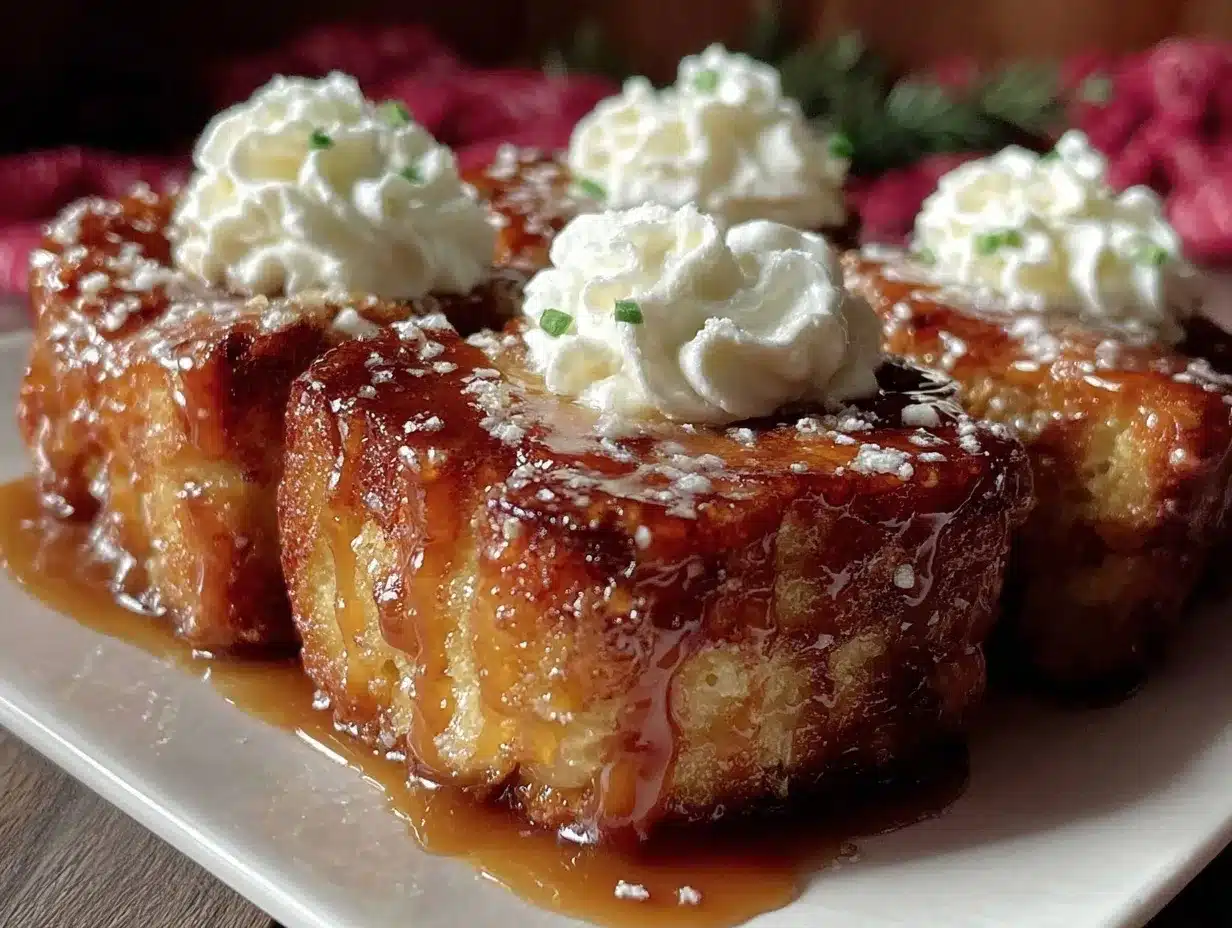
“You know that feeling when a midnight craving sneaks up on you, and all you have is a lonely loaf of bread and a jar of dulce de leche?” Well, that was me one restless Thursday night last spring. The kitchen was dim, the clock stubbornly ticking past midnight, and honestly, I wasn’t expecting anything special to come out of my sleepy experiment. Yet, there I was, whisking eggs and milk, dipping thick slices of day-old baguette into what would become the most comforting Spanish treat I’ve ever made: classic Spanish torrijas topped with luscious dulce de leche and a cloud of whipped cream.
It all started because I had forgotten to buy dessert for a friend’s brunch the next day (typical me, rushing around with a cracked mixing bowl and a half-empty jar of caramel). But this quick fix, with its crispy edges and tender, custardy center, quickly turned into a favorite. Torrijas are basically Spain’s answer to French toast—simple, humble, yet utterly irresistible.
Maybe you’ve been there—scrambling to whip up something sweet with what’s on hand. This recipe isn’t fancy or complicated, and honestly, it’s the kind of recipe that sticks with you because it’s warm, nostalgic, and just the right amount of indulgent. The dulce de leche adds that perfect touch of caramelized sweetness, while the whipped cream balances it with airy lightness. It’s comfort food, Spanish style, that you can make any night of the week when the craving hits.
Why You’ll Love This Recipe
Having tested many versions of torrijas over the years, I can confidently say this classic Spanish torrijas recipe with dulce de leche and whipped cream stands out for several reasons. It’s not just about the flavors—it’s about the whole experience of making and enjoying it.
- Quick & Easy: You can have this dessert ready in under 30 minutes, which is perfect when you need a last-minute treat that feels special.
- Simple Ingredients: No need for exotic items or special trips to the store. Bread, eggs, milk, and dulce de leche—most of these are pantry staples or easy to find.
- Perfect for Any Occasion: Whether it’s a lazy weekend brunch, a cozy evening dessert, or an unexpected guest, torrijas fit right in.
- Crowd-Pleaser: Kids and adults alike rave about the balance of crispy, creamy, and sweet in this dish.
- Unbelievably Delicious: The custardy inside contrasts with the golden exterior, and the dulce de leche adds a rich caramel note that is pure magic.
- This isn’t your standard French toast. The soaking process, the touch of cinnamon and citrus zest in the milk, and the dollop of whipped cream make it uniquely Spanish and unforgettable.
Honestly, after the first bite, you might just find yourself closing your eyes and savoring every mouthful. It’s like a warm Spanish hug on a plate—comfort food that feels a bit special every time.
What Ingredients You Will Need
This recipe uses simple, wholesome ingredients to deliver bold flavor and satisfying texture without the fuss. Most are pantry staples, but a few tips on choosing the best versions will help you get the perfect torrijas every time.
- Day-old bread (preferably a thick-cut baguette or rustic country bread): Slightly stale bread absorbs the milk mixture better without falling apart.
- Whole milk (2 cups / 480 ml): Adds richness to the soaking mixture.
- Large eggs (3, room temperature): For the custardy coating and binding.
- Granulated sugar (1/4 cup / 50 g): Sweetens the milk soak.
- Ground cinnamon (1 teaspoon): A warm, aromatic touch classic to Spanish torrijas.
- Lemon zest (from 1 lemon): Adds brightness and balances the sweetness.
- Vegetable oil or olive oil (for frying): I prefer mild olive oil for authentic flavor, but vegetable oil works well too.
- Dulce de leche (about 1/2 cup / 125 g): Creamy caramel spread—store-bought or homemade. I recommend the La Lechera brand for its smooth texture.
- Heavy cream (1 cup / 240 ml): For whipping to top the torrijas.
- Powdered sugar (2 tablespoons): To sweeten the whipped cream.
- Vanilla extract (1 teaspoon): Adds depth to the whipped cream.
Substitution tips: If dairy-free, you can swap milk for almond or oat milk and use coconut cream for whipping. For gluten-free, try gluten-free bread with a sturdy crumb. In summer, fresh orange zest replaces lemon zest beautifully.
Equipment Needed
- Large shallow dish or pie plate: Perfect for soaking the bread slices evenly.
- Mixing bowls: For whisking eggs and preparing whipped cream.
- Whisk or fork: To beat eggs and cream – a hand mixer works great for whipping cream faster.
- Non-stick frying pan or skillet: A sturdy pan helps get that golden crust without sticking.
- Slotted spoon or tongs: For flipping and transferring torrijas out of the oil safely.
- Paper towels: To drain excess oil after frying.
- Fine grater: For zesting lemon or orange.
If you don’t have a hand mixer, no worries—whisking the cream by hand works fine, just takes a bit of elbow grease. A cast-iron skillet, if you have one, gives a lovely even heat, but any good-quality frying pan will do.
Preparation Method
- Prepare the milk soak: In a saucepan, gently warm 2 cups (480 ml) of whole milk with 1/4 cup (50 g) granulated sugar, 1 teaspoon ground cinnamon, and the zest of one lemon. Heat just until the sugar dissolves and the mixture is warm but not boiling (about 5 minutes). Let it cool slightly.
- Slice the bread: Cut your day-old bread into thick slices, about 1 to 1.5 inches (2.5 to 4 cm) thick. This thickness helps the bread soak up the milk without falling apart.
- Soak the bread: Arrange the bread slices in a shallow dish and pour the warm milk mixture over them. Let them soak for 10 minutes, turning gently halfway through to ensure even absorption. The bread should be saturated but still hold its shape.
- Prepare the egg wash: In a separate bowl, beat 3 large eggs until smooth. This will coat the soaked bread for frying.
- Heat the oil: Pour about 1/2 inch (1.3 cm) of oil into a large skillet and heat over medium heat to around 350°F (175°C). You can test by dropping a small piece of bread; it should sizzle immediately.
- Coat and fry: Using tongs or a fork, carefully lift each soaked bread slice, let excess milk drip off, then dip into the beaten eggs, coating both sides. Immediately place into the hot oil. Fry for about 2-3 minutes per side or until golden brown and crisp. Avoid overcrowding the pan.
- Drain: Transfer fried torrijas to a plate lined with paper towels to remove excess oil.
- Whip the cream: While the torrijas cool slightly, whip 1 cup (240 ml) heavy cream with 2 tablespoons powdered sugar and 1 teaspoon vanilla extract until soft peaks form.
- Assemble and serve: Place warm torrijas on plates, drizzle generously with dulce de leche, and top with a dollop of whipped cream. Serve immediately for best texture and flavor.
If your torrijas absorb too much oil, the pan might be too cool; increase the heat slightly. On the other hand, if the bread browns too fast, lower the heat to cook through without burning. The perfect torrija is crisp outside and custardy inside, with a golden color and that irresistible scent of cinnamon and citrus.
Cooking Tips & Techniques
Making perfect torrijas is about timing and attention to detail, and I’ve learned a few things along the way. Firstly, using day-old bread is key—fresh bread just turns to mush. If you only have fresh bread, you can dry it in the oven for 10 minutes at 300°F (150°C) to firm it up.
When soaking, don’t rush it—but also don’t soak too long or the bread will fall apart. About 10 minutes is the sweet spot. I like to gently flip the slices halfway to get even soaking without tearing.
Frying at the right temperature makes all the difference. Too hot and the outside burns before the inside cooks; too cool and the torrijas soak up too much oil and become greasy. Use a thermometer if you have one, or test the oil with a small piece of bread first.
Don’t overcrowd the pan. Fry in batches to keep the temperature steady and avoid soggy results. Drain on paper towels to soak up excess oil.
Whip the cream just until soft peaks form; overwhipping can turn it grainy. Sweeten lightly so it balances the dulce de leche but doesn’t compete with it.
Lastly, don’t be afraid to tweak the cinnamon and citrus zest amounts to your liking. I often add a hint more zest for a brighter finish.
Variations & Adaptations
- Gluten-Free Version: Use gluten-free bread with a firm crumb. Toast lightly before soaking to prevent falling apart.
- Vegan Adaptation: Swap whole milk for almond or oat milk, eggs for a chickpea flour batter, and use coconut cream whipped with powdered sugar instead of heavy cream.
- Flavor Twists: Add a splash of orange blossom water or vanilla to the milk soak for a floral note. Alternatively, sprinkle cinnamon sugar on top instead of using dulce de leche.
- Baking Instead of Frying: For a lighter version, brush soaked bread slices with melted butter and bake at 375°F (190°C) for 15-20 minutes, flipping halfway, until golden.
- Personal Favorite: I once added toasted almonds and a sprinkle of sea salt over the dulce de leche—unexpected but absolutely delicious!
Serving & Storage Suggestions
Serve torrijas warm or at room temperature, spooning the dulce de leche while they’re still a bit warm so it softens nicely. A generous dollop of whipped cream on top adds that dreamy contrast of texture and temperature.
They pair wonderfully with a cup of strong coffee, a glass of sweet sherry, or even a spiced chai tea for a cozy treat.
If you have leftovers (rare, but it happens), store them in an airtight container in the fridge for up to 2 days. The whipped cream is best added fresh before serving. To reheat, warm gently in a skillet or oven at 300°F (150°C) for 5-7 minutes. Avoid microwaving as it can turn soggy.
Flavors meld beautifully if you make the dulce de leche yourself and let the torrijas sit briefly before topping. However, the crispy texture is best enjoyed fresh.
Nutritional Information & Benefits
One serving (approximately 2 slices with toppings) contains roughly 350-400 calories, depending on bread type and amount of dulce de leche used.
This recipe provides a moderate amount of protein from the eggs and cream and calcium from the milk. While it’s certainly a treat, using whole milk and fresh ingredients adds a bit of nourishment compared to heavily processed desserts.
Gluten-free and vegan adaptations make this dessert accessible to various dietary needs, and the recipe can be tweaked to reduce sugar if desired.
Personally, I love how this recipe brings a little bit of Spanish tradition to the table while feeling indulgent without going overboard.
Conclusion
Classic Spanish torrijas with dulce de leche and whipped cream is a dessert that’s as comforting as it is delicious. It’s simple, honest food that invites you to slow down and savor every bite. Whether you’re recreating that spontaneous late-night magic or sharing it at brunch, this recipe is sure to become a favorite.
Feel free to adjust the flavors, swap ingredients, or add your own twist—after all, that’s part of the fun. For me, it’s the crispy edges, the sweet, creamy center, and that little bit of caramel that keeps me coming back.
Try making this recipe and let me know how it turns out in the comments below—I love hearing your adaptations and stories!
Remember, the best desserts are the ones that feel like a warm hug on a plate. Happy cooking!
Frequently Asked Questions About Classic Spanish Torrijas
What type of bread is best for making torrijas?
Day-old rustic bread or a thick-cut baguette works best because it soaks up the milk mixture without falling apart. Slightly stale bread is key for perfect texture.
Can I make torrijas ahead of time?
You can soak and fry them ahead, then reheat gently before serving. However, add the dulce de leche and whipped cream fresh for the best taste and texture.
Is there a healthier way to prepare torrijas?
Yes, baking instead of frying reduces oil content. Using low-fat milk and less sugar also helps. Just keep an eye on texture as it may differ slightly.
How do I store leftover torrijas?
Store leftovers in an airtight container in the fridge for up to 2 days. Reheat in a skillet or oven to retain crispness. Avoid microwaving.
Can torrijas be made dairy-free or vegan?
Absolutely! Use plant-based milk like almond or oat, replace eggs with chickpea flour batter, and whip coconut cream instead of dairy cream for a vegan-friendly version.
Pin This Recipe!

Classic Spanish Torrijas Recipe Easy Homemade Dulce de Leche Dessert With Whipped Cream

Classic Spanish torrijas are a comforting dessert similar to French toast, featuring thick slices of day-old bread soaked in a cinnamon and citrus milk mixture, fried to golden perfection, and topped with dulce de leche and whipped cream.
- Prep Time: 15 minutes
- Cook Time: 15 minutes
- Total Time: 30 minutes
- Yield: 4 servings 1x
- Category: Dessert
- Cuisine: Spanish
Ingredients
- Day-old bread (preferably thick-cut baguette or rustic country bread), about 1 loaf
- 2 cups (480 ml) whole milk
- 3 large eggs, room temperature
- 1/4 cup (50 g) granulated sugar
- 1 teaspoon ground cinnamon
- Zest of 1 lemon
- Vegetable oil or olive oil for frying (about 1/2 inch depth in pan)
- 1/2 cup (125 g) dulce de leche
- 1 cup (240 ml) heavy cream
- 2 tablespoons powdered sugar
- 1 teaspoon vanilla extract
Instructions
- Prepare the milk soak: In a saucepan, gently warm 2 cups (480 ml) of whole milk with 1/4 cup (50 g) granulated sugar, 1 teaspoon ground cinnamon, and the zest of one lemon. Heat just until the sugar dissolves and the mixture is warm but not boiling (about 5 minutes). Let it cool slightly.
- Slice the bread: Cut your day-old bread into thick slices, about 1 to 1.5 inches (2.5 to 4 cm) thick.
- Soak the bread: Arrange the bread slices in a shallow dish and pour the warm milk mixture over them. Let them soak for 10 minutes, turning gently halfway through to ensure even absorption. The bread should be saturated but still hold its shape.
- Prepare the egg wash: In a separate bowl, beat 3 large eggs until smooth.
- Heat the oil: Pour about 1/2 inch (1.3 cm) of oil into a large skillet and heat over medium heat to around 350°F (175°C). Test by dropping a small piece of bread; it should sizzle immediately.
- Coat and fry: Using tongs or a fork, carefully lift each soaked bread slice, let excess milk drip off, then dip into the beaten eggs, coating both sides. Immediately place into the hot oil. Fry for about 2-3 minutes per side or until golden brown and crisp. Avoid overcrowding the pan.
- Drain: Transfer fried torrijas to a plate lined with paper towels to remove excess oil.
- Whip the cream: While the torrijas cool slightly, whip 1 cup (240 ml) heavy cream with 2 tablespoons powdered sugar and 1 teaspoon vanilla extract until soft peaks form.
- Assemble and serve: Place warm torrijas on plates, drizzle generously with dulce de leche, and top with a dollop of whipped cream. Serve immediately for best texture and flavor.
Notes
Use day-old bread for best texture; fresh bread can be dried in the oven at 300°F for 10 minutes. Maintain oil temperature around 350°F to avoid greasy or burnt torrijas. Whip cream just until soft peaks form to avoid graininess. For dairy-free or vegan versions, substitute milk with almond or oat milk, eggs with chickpea flour batter, and heavy cream with whipped coconut cream. Baking instead of frying is a lighter alternative.
Nutrition
- Serving Size: Approximately 2 slic
- Calories: 375
- Sugar: 20
- Sodium: 150
- Fat: 20
- Saturated Fat: 10
- Carbohydrates: 40
- Fiber: 2
- Protein: 7
Keywords: torrijas, Spanish dessert, dulce de leche, whipped cream, French toast, easy dessert, comfort food