Love this? Save it for later!
Share the inspiration with your friends
This was supposed to be a simple roast chicken. I had the bird, the lemon, the garlic—the whole plan mapped out in my head. But I got distracted by a phone call from my sister, and by the time I hung up, the oven was already preheated to 425°F, and I had completely forgotten to buy carrots at the store that morning. I stood there, staring at a lonely chicken, a half-empty bag of potatoes, and a wilting bunch of rosemary from my neighbor’s garden that she’d dropped off two days prior. Honestly, I was already annoyed with myself. The chicken went back in the fridge, and I grabbed every root vegetable I could find—some parsnips that were starting to look a little sad, a sweet potato I’d been ignoring, and a few beets I’d bought on a whim. I chopped them all up, tossed them with olive oil and that rosemary, and threw them in the oven. I figured I’d at least have a decent side dish for the week. What came out was nothing like the plan—and better.
The edges were caramelized, the centers were tender, and the rosemary had infused everything with this warm, almost piney aroma that filled my entire kitchen. I ate a bowl of those roasted vegetables for dinner that night, standing at the counter, and I remember thinking, “Why have I never done this before?” It was one of those accidental moments where the universe basically handed me a winning recipe because I failed at my original plan. Maybe you’ve been there—when a kitchen mishap turns into something you end up making on purpose, again and again. That’s exactly what this Best Roasted Root Vegetable Medley with Rosemary became for me. It’s the side dish I now bring to every potluck, every holiday dinner, every Tuesday night when I need something that feels special without any stress. It’s forgiving, flexible, and honestly, it makes you look like you know what you’re doing, even when you started the whole thing by messing up.
Why You’ll Love This Recipe
Let me tell you why this roasted root vegetable medley has become my go-to for every gathering. I’ve tested this recipe at least a dozen times—for Thanksgiving with my family, for a casual backyard barbecue with neighbors, and even for a quiet dinner party where I needed something that wouldn’t steal the spotlight from the main course but still earned its own compliments. It’s the kind of dish that works every single time, and here’s why it’ll work for you too.
- Simple Ingredients: You don’t need a specialty grocery store or a farmers’ market haul. Potatoes, carrots, parsnips, sweet potatoes—these are things you probably already have rolling around in your crisper drawer. The rosemary is the only “fancy” ingredient, and it’s incredibly easy to find fresh or dried.
- Quick & Easy Prep: Once you get the hang of chopping, this comes together in about 15 minutes of active time. The oven does all the heavy lifting after that. It’s perfect for those nights when you’re juggling a main dish and need a side that doesn’t demand constant attention.
- Perfect for Hosting: This medley is a dinner party dream. It scales up beautifully—just grab a bigger baking sheet—and it holds well if your guests are running late. Plus, the colors are gorgeous. The deep orange of the sweet potatoes, the golden edges of the parsnips, the earthy red of the beets—it’s a showstopper on any table.
- Crowd-Pleaser: I’ve served this to picky eaters, vegans, meat-lovers, and everyone in between. The natural sweetness of the roasted vegetables combined with that savory rosemary flavor appeals to almost everyone. I’ve literally watched kids ask for seconds of the “orange potatoes.”
- Unbelievably Delicious: There’s something magical about roasting vegetables at high heat. The edges get crispy and almost caramelized, while the insides stay soft and buttery. The rosemary adds this earthy, aromatic note that ties everything together. It’s comfort food that also happens to be good for you.
What makes this recipe different from the dozens of other roasted vegetable recipes out there is the technique. I don’t just toss everything together and hope for the best. I’ve learned that cutting the vegetables to a uniform size and giving them enough space on the pan makes all the difference between soggy vegetables and perfectly roasted ones. This isn’t just another version of roasted veggies—it’s the one I keep coming back to, and I think you will too.
What Ingredients You Will Need
This recipe uses simple, humble ingredients that come together to create something truly special. The magic is in the roasting, not in a long list of exotic items. Here’s what you’ll need to gather before you start chopping.
- For the Vegetables:
- 2 medium carrots, peeled and cut into 1-inch chunks (adds natural sweetness)
- 2 medium parsnips, peeled and cut into 1-inch chunks (earthy, slightly sweet, and nutty when roasted)
- 1 large sweet potato, peeled and cut into 1-inch cubes (I recommend a Garnet yam for its deep orange color and creamy texture)
- 1 medium red onion, cut into 1-inch wedges (turns sweet and jammy when roasted)
- 2 medium red potatoes, unpeeled, cut into 1-inch cubes (the skin adds texture and holds up well)
- 1 large beet, peeled and cut into 1-inch cubes (optional but highly recommended for color and earthy depth)
- For the Seasoning:
- 3 tablespoons olive oil (use a good quality extra virgin for better flavor)
- 2 tablespoons fresh rosemary, finely chopped (or 2 teaspoons dried rosemary, crushed between your fingers)
- 4 cloves garlic, minced (fresh is best, but jarred minced garlic works in a pinch)
- 1 teaspoon kosher salt (I prefer Diamond Crystal—it’s less salty by volume, so adjust if using table salt)
- ½ teaspoon black pepper, freshly ground
- Optional: 1 tablespoon balsamic vinegar added in the last 10 minutes of roasting for a tangy glaze
Ingredient Tips and Substitutions: If you can’t find parsnips, use an extra carrot and an extra potato. No sweet potato? Try a regular Yukon Gold potato instead—it won’t be as sweet, but it’ll still be delicious. The beet is totally optional; I know some people aren’t fans. If you skip it, just add another carrot or potato to keep the volume up. For the rosemary, fresh is always best, but dried works perfectly fine—just use a little less because it’s more concentrated. I’ve made this with thyme and oregano in a pinch, and it’s still great, but the rosemary really is the star here. If you’re hosting a crowd, you can easily double or triple this recipe—just use multiple baking sheets to avoid overcrowding.
Equipment Needed
You don’t need a lot of fancy equipment for this recipe, which is part of why I love it. Here’s what you’ll need to pull this off without any stress.
- Large Baking Sheet: A half-sheet pan (about 18×13 inches) is ideal. I use a heavy-duty aluminum one because it conducts heat evenly and doesn’t warp. If you don’t have a large sheet pan, use two smaller ones. Overcrowding is the enemy of crispy vegetables.
- Chef’s Knife: A sharp 8-inch chef’s knife makes quick work of chopping all those root vegetables. If your knife is dull, you’ll struggle with the sweet potatoes and beets. A quick sharpening before you start will save you time and frustration.
- Cutting Board: A large wooden or plastic cutting board gives you plenty of space to work. I recommend using a separate board for the beets unless you want pink-stained everything.
- Mixing Bowl: A large bowl for tossing the vegetables with oil and seasonings. I use a stainless steel bowl because it doesn’t absorb odors.
- Vegetable Peeler: A good Y-shaped peeler is faster and more comfortable than a standard one. It makes quick work of carrots, parsnips, and sweet potatoes.
- Parchment Paper or Silicone Baking Mat: Lining your baking sheet makes cleanup a breeze. The vegetables can still get crispy, but you won’t be scrubbing burnt-on bits later.
If you don’t have a large baking sheet, don’t worry. You can use a 9×13-inch baking dish, but the vegetables will steam more than roast, so they won’t get as crispy. I’ve done it in a pinch, and it’s still tasty, just not as caramelized. A budget-friendly option is to pick up a basic aluminum sheet pan from the grocery store—they’re usually under $5 and work great.
Preparation Method
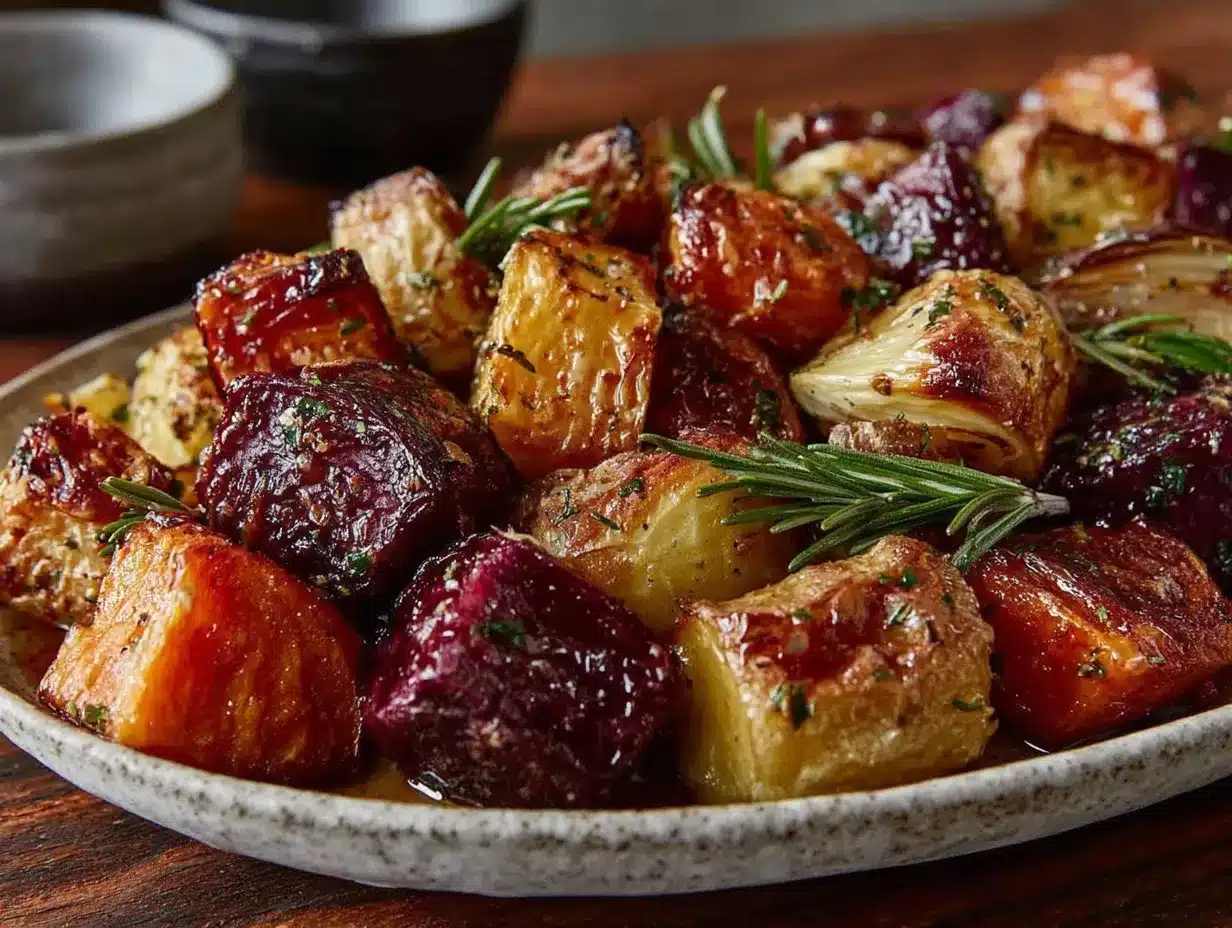
Alright, let’s get to the good part. This method is straightforward, but I’ve included all the little details I’ve learned from making this dish more times than I can count. Follow these steps, and you’ll have perfectly roasted vegetables every single time.
- Preheat your oven to 425°F (220°C). This high heat is crucial for getting those caramelized edges. Don’t skip this step—if you put the vegetables in a cold oven, they’ll steam instead of roast, and you’ll end up with sad, soggy vegetables. Place your baking sheet in the oven while it preheats to get it hot—this gives the vegetables an extra sear when they hit the pan.
- Prepare all your vegetables. Peel the carrots, parsnips, sweet potato, and beet. You can leave the red potatoes unpeeled—the skin adds nice texture and holds up well during roasting. Cut everything into roughly 1-inch cubes or chunks. This uniform size is important because it ensures everything cooks at the same rate. If some pieces are much smaller, they’ll burn before the larger ones are done. I usually start with the sweet potato because it’s the hardest to cut, then move on to the carrots and parsnips.
- Mince the garlic and chop the rosemary. For the rosemary, strip the leaves off the woody stem and give them a rough chop. You want the pieces small enough to distribute evenly but not so fine that they disappear. Fresh rosemary can be a little tough, so chopping it well helps it blend into the dish rather than leaving you with prickly bits.
- Toss everything together. In your large mixing bowl, combine all the chopped vegetables, olive oil, minced garlic, chopped rosemary, salt, and pepper. Use your hands or a large spoon to toss until every piece is evenly coated. I prefer using my hands—it’s faster and I can feel if any pieces are sticking together. Make sure there are no dry spots. The oil is what helps the vegetables caramelize, so don’t skimp on it.
- Spread the vegetables on the hot baking sheet. Carefully remove the preheated sheet from the oven (watch out for steam!) and dump the vegetables onto it. Spread them into a single layer. This is the most important step: do not overcrowd the pan. If the vegetables are piled on top of each other, they’ll steam and release moisture, preventing that beautiful browning. If your sheet is too small, use two pans. Give each piece a little space—they should be touching but not stacked.
- Roast for 25 minutes without disturbing. Let the vegetables sit in the hot oven. Don’t open the door to check on them, don’t stir them—just let them do their thing. This initial undisturbed roasting allows the bottoms to develop a nice crust.
- Flip and continue roasting. After 25 minutes, remove the pan from the oven and use a spatula to flip the vegetables. They should be golden brown on the bottom. Spread them back into a single layer and return to the oven. Roast for another 15 to 20 minutes, or until the vegetables are tender when pierced with a fork and deeply caramelized on the edges. The exact time depends on the size of your pieces and your oven, so start checking at the 15-minute mark.
- Optional balsamic glaze: If you’re using balsamic vinegar, drizzle it over the vegetables during the last 10 minutes of roasting. The vinegar will reduce and create a tangy, slightly sweet glaze that complements the earthy root vegetables beautifully. I do this when I’m serving this dish at a dinner party—it adds a touch of sophistication.
- Rest and serve. Once the vegetables are done, remove them from the oven and let them rest on the pan for 5 minutes. This allows the caramelized edges to set. Transfer to a serving platter, garnish with a few fresh rosemary sprigs if you’re feeling fancy, and serve warm. They’re also delicious at room temperature, which makes them perfect for potlucks.
Cooking Tips & Techniques
Over the years, I’ve made every mistake you can imagine with roasted vegetables. I’ve burned them, undercooked them, and ended up with a soggy mess more times than I’d like to admit. Here are the lessons I’ve learned so you don’t have to repeat my failures.
Cut for consistency. This is the number one tip I can give you. If your sweet potato pieces are twice the size of your carrot pieces, the carrots will burn before the sweet potatoes are done. Take the extra minute to make sure everything is roughly the same size. I aim for 1-inch cubes—big enough to have a creamy interior, small enough to get crispy edges.
Hot pan, hot oven. Preheating your baking sheet is a game-changer. When the vegetables hit that hot surface, they start sizzling immediately, which creates a crust. If you put them on a cold pan, they’ll start cooking more slowly and are more likely to stick. Just be careful when you take the hot pan out—use oven mitts and watch out for steam.
Don’t crowd the pan. I cannot stress this enough. If you pile the vegetables on top of each other, they’ll steam in their own moisture. You want them to roast, not steam. Give them room to breathe. If you’re making a big batch, use two pans and rotate them halfway through. The vegetables on the top rack will cook slightly faster, so swap the pans when you flip them.
Season generously. Root vegetables can handle a lot of seasoning. Don’t be shy with the salt and pepper. I use a full teaspoon of kosher salt for this amount of vegetables, and it’s never too much. The salt helps draw out moisture, which aids in caramelization. And fresh rosemary really makes a difference—dried works, but fresh has a brighter, more aromatic flavor that infuses the vegetables beautifully.
Timing is everything. I’ve learned that different vegetables cook at different rates. Beets and sweet potatoes take a little longer than carrots and parsnips. That’s why cutting them all to the same size is so important. If you’re worried about uneven cooking, you can give the beets and sweet potatoes a 5-minute head start before adding the other vegetables. I’ve done this when I’m being extra careful, but honestly, with uniform cuts, it’s usually not necessary.
Variations & Adaptations
One of the best things about this roasted root vegetable medley is how adaptable it is. I’ve played around with it a lot, and here are some of my favorite variations.
Herb Swaps: Not a rosemary fan? Try fresh thyme, oregano, or sage instead. I made a version with fresh thyme and a splash of lemon juice at the end, and it was bright and herby—perfect for spring. Dried herbs work too, just use about half the amount since they’re more concentrated.
Spiced Version: For a warmer, more aromatic twist, add 1 teaspoon of smoked paprika and ½ teaspoon of cumin along with the salt and pepper. I made this for a fall dinner party, and everyone asked for the recipe. The smoky paprika adds a depth that pairs beautifully with the sweetness of the roasted vegetables. You could also try a pinch of cayenne for heat.
Different Vegetables: This recipe is a template, not a rulebook. Swap in whatever root vegetables you have on hand. Turnips, rutabaga, celery root, or even butternut squash all work beautifully. I’ve made it with just potatoes and carrots when that’s all I had, and it was still delicious. The key is to keep the total volume the same and cut everything to a uniform size.
Dietary Adaptations: This recipe is naturally vegan, gluten-free, and dairy-free. If you’re avoiding nightshades, skip the potatoes and use extra carrots, parsnips, and beets. For a lower-carb option, replace the potatoes and sweet potatoes with more cauliflower, broccoli, or Brussels sprouts—just note that they’ll cook faster, so check them at the 20-minute mark.
Maple Balsamic Glaze: For a sweeter, more indulgent version, whisk together 2 tablespoons of balsamic vinegar, 1 tablespoon of maple syrup, and a pinch of Dijon mustard. Drizzle this over the vegetables during the last 10 minutes of roasting. I tried this for a holiday dinner, and it was a huge hit—the maple syrup caramelizes beautifully and adds a lovely shine.
Serving & Storage Suggestions
This roasted root vegetable medley is incredibly versatile when it comes to serving. Here’s how I like to present it and store it.
Serving Temperature: Serve these vegetables warm, straight from the oven, for the best texture. The edges will be crispy, and the centers will be soft and creamy. They’re also delicious at room temperature, which makes them perfect for potlucks and buffets. If you’re hosting a dinner party, you can roast them up to an hour ahead and let them sit on the pan—they’ll still be warm when you serve them.
Presentation Tips: Transfer the roasted vegetables to a large, wide serving platter instead of a deep bowl. This keeps them from steaming and getting soggy. Garnish with a few sprigs of fresh rosemary or a sprinkle of flaky sea salt right before serving. If you made the balsamic version, a drizzle of extra balsamic glaze on top looks beautiful. For a dinner party, I sometimes add a sprinkle of toasted walnuts or pecans for crunch.
What to Serve Alongside: This medley pairs beautifully with roasted chicken, grilled steak, baked salmon, or even a simple lentil loaf for a vegetarian meal. It’s also fantastic alongside a holiday turkey or ham. For a complete meal, serve it with a grain like quinoa or farro and a simple green salad.
Storage Instructions: Store any leftovers in an airtight container in the refrigerator for up to 4 days. The vegetables will soften as they sit, but the flavor actually improves over time as the rosemary and garlic continue to infuse. I love eating them cold straight from the fridge as a snack, or reheated.
Reheating Tips: For best results, reheat the vegetables in a 400°F oven for 5 to 10 minutes, spread out on a baking sheet. This will help restore some of the crispy edges. You can also reheat them in a skillet over medium heat for a few minutes. Avoid the microwave if you can—it will make them soft and steamy. If you’re in a hurry, the microwave works, but the texture won’t be the same.
Freezing: I don’t recommend freezing these vegetables, as the texture becomes mushy when thawed. If you have a large batch, it’s better to share them with friends or use them within a few days.
Nutritional Information & Benefits
This roasted root vegetable medley isn’t just delicious—it’s packed with nutrients that make it a smart choice for any meal. Here’s a quick look at what you’re getting in a serving (about 1 cup).
- Calories: Approximately 180-220 per serving (depending on the vegetables used)
- Fiber: 6-8 grams, thanks to the skin-on potatoes and fibrous root vegetables
- Vitamin A: Over 200% of the daily value from the sweet potatoes and carrots
- Vitamin C: About 30% of the daily value from the potatoes and parsnips
- Potassium: A good source, supporting heart health and muscle function
- Antioxidants: Beets are rich in betalains, which have anti-inflammatory properties
Health Benefits: Root vegetables are some of the most nutrient-dense foods you can eat. They’re rich in complex carbohydrates that provide steady energy, fiber that supports digestive health, and a wide range of vitamins and minerals. The olive oil provides healthy monounsaturated fats, which help your body absorb the fat-soluble vitamins (A, D, E, and K) from the vegetables. Rosemary is also known for its anti-inflammatory and antioxidant properties.
Dietary Considerations: This recipe is naturally vegan, gluten-free, dairy-free, and nut-free. It’s also relatively low in calories and fat for a side dish, making it a great option if you’re watching your intake. If you’re on a low-FODMAP diet, you can omit the onion and garlic and use garlic-infused olive oil instead.
Conclusion
This Best Roasted Root Vegetable Medley with Rosemary started as a complete accident—a moment of distraction that turned into one of my most reliable recipes. It’s the dish I turn to when I need something that feels special without requiring hours of effort. It’s forgiving enough for a busy Tuesday night and impressive enough for a holiday table. The caramelized edges, the tender centers, the warm aroma of rosemary—it’s comfort food that also happens to be good for you.
I hope you give this recipe a try, whether it’s for a quiet dinner at home or a big gathering with friends and family. Don’t be afraid to play around with the vegetables and seasonings—make it your own. That’s the beauty of a recipe like this; it’s a starting point, not a rulebook. If you make it, I’d love to hear how it turns out. Leave a comment below and let me know what variations you tried, or share a photo of your creation. And if you’re looking for another simple, crowd-pleasing side dish, you might enjoy my honey glazed carrots or this garlic parmesan roasted broccoli. Happy cooking, and remember—sometimes the best recipes come from the biggest mistakes!
Frequently Asked Questions
Can I use frozen vegetables for this recipe?
I don’t recommend using frozen vegetables for this recipe. Frozen vegetables contain a lot of moisture, which will release during roasting and prevent the vegetables from getting crispy and caramelized. Fresh vegetables are definitely the way to go for the best texture and flavor.
How do I prevent the vegetables from sticking to the pan?
Using enough olive oil and preheating your baking sheet are the two best ways to prevent sticking. I also recommend lining your pan with parchment paper or a silicone baking mat for easy cleanup. If you don’t have either, make sure the vegetables are well-coated in oil and that the pan is hot when you add them.
Can I prepare this dish ahead of time?
Absolutely! You can chop all the vegetables up to 24 hours in advance and store them in an airtight container in the refrigerator. When you’re ready to cook, just toss them with the oil and seasonings and roast as directed. You can also roast the vegetables up to an hour ahead and reheat them in a hot oven for 5 minutes before serving.
What if I don’t have fresh rosemary?
Dried rosemary works perfectly fine in this recipe. Use about 2 teaspoons of dried rosemary (crushed between your fingers to release the oils) instead of the 2 tablespoons of fresh. You can also substitute with dried thyme or oregano if that’s what you have on hand.
Can I cook this in an air fryer?
Yes, you can! To make this in an air fryer, toss the vegetables with the oil and seasonings as directed, then cook them in a single layer in the air fryer basket at 400°F for 15 to 20 minutes, shaking the basket halfway through. You may need to work in batches depending on the size of your air fryer. The results are incredibly crispy and delicious.
Pin This Recipe!
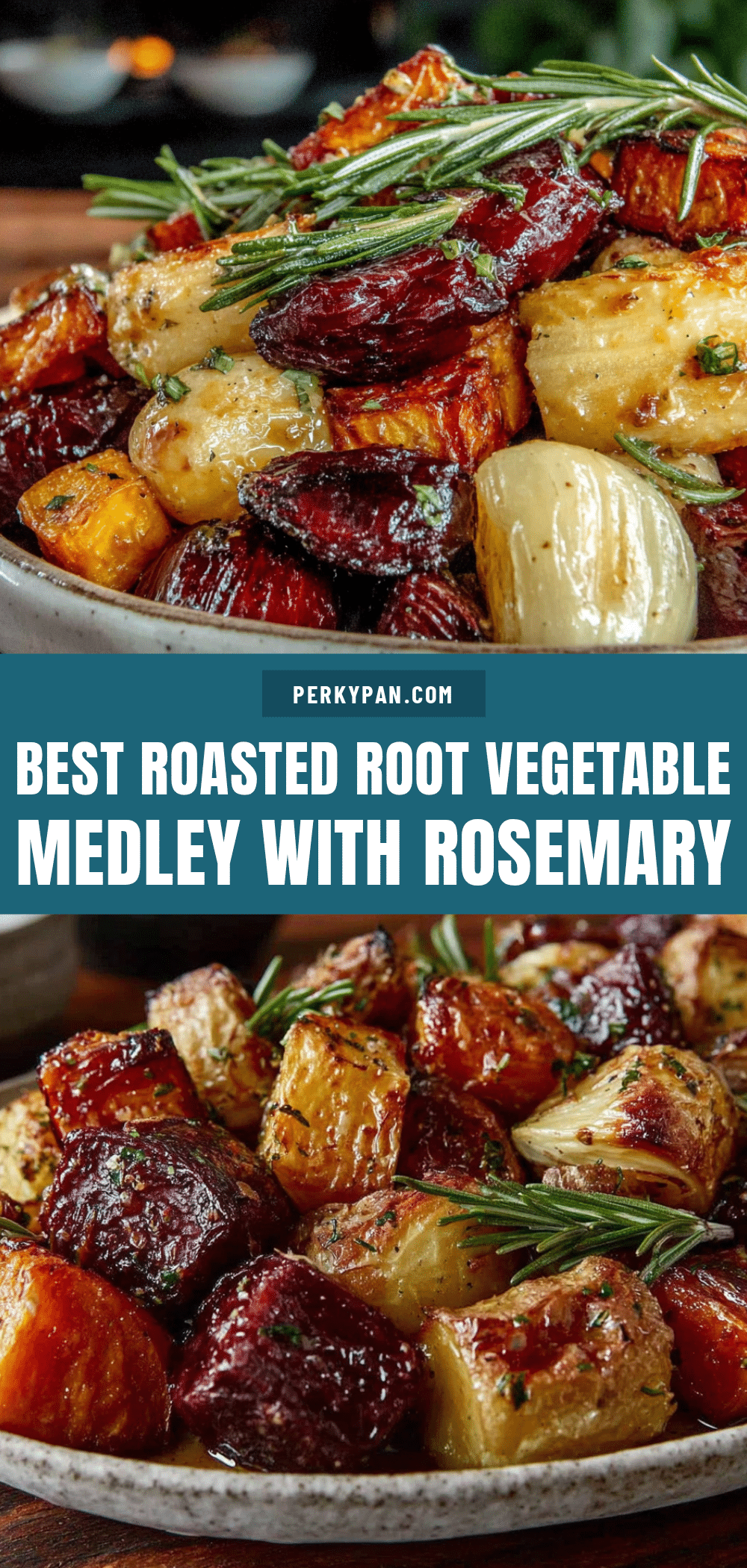
Best Roasted Root Vegetable Medley with Rosemary (Easy Side Dish)
This roasted root vegetable medley is a forgiving, flexible side dish that turns simple ingredients into caramelized, tender perfection. It’s perfect for potlucks, holiday dinners, or any night you need something special without stress.
- Prep Time: 15 minutes
- Cook Time: 40 minutes
- Total Time: 55 minutes
- Yield: 4 servings 1x
- Category: Side Dish
- Cuisine: American
Ingredients
- 2 medium carrots, peeled and cut into 1-inch chunks
- 2 medium parsnips, peeled and cut into 1-inch chunks
- 1 large sweet potato, peeled and cut into 1-inch cubes
- 1 medium red onion, cut into 1-inch wedges
- 2 medium red potatoes, unpeeled, cut into 1-inch cubes
- 1 large beet, peeled and cut into 1-inch cubes (optional)
- 3 tablespoons olive oil
- 2 tablespoons fresh rosemary, finely chopped (or 2 teaspoons dried rosemary, crushed)
- 4 cloves garlic, minced
- 1 teaspoon kosher salt
- ½ teaspoon black pepper, freshly ground
- Optional: 1 tablespoon balsamic vinegar (added in last 10 minutes of roasting)
Instructions
- Preheat your oven to 425°F (220°C). Place your baking sheet in the oven while it preheats to get it hot.
- Prepare all your vegetables: peel carrots, parsnips, sweet potato, and beet. Leave red potatoes unpeeled. Cut everything into roughly 1-inch cubes or chunks.
- Mince the garlic and chop the rosemary.
- In a large mixing bowl, combine all the chopped vegetables, olive oil, minced garlic, chopped rosemary, salt, and pepper. Toss until every piece is evenly coated.
- Carefully remove the hot baking sheet from the oven. Spread the vegetables into a single layer on the sheet. Do not overcrowd the pan.
- Roast for 25 minutes without disturbing.
- After 25 minutes, remove the pan from the oven and flip the vegetables using a spatula. Spread them back into a single layer and return to the oven.
- Roast for another 15 to 20 minutes, or until the vegetables are tender when pierced with a fork and deeply caramelized on the edges.
- Optional: If using balsamic vinegar, drizzle it over the vegetables during the last 10 minutes of roasting.
- Remove from the oven and let rest on the pan for 5 minutes. Transfer to a serving platter, garnish with fresh rosemary sprigs if desired, and serve warm.
Notes
Cut vegetables to uniform size for even cooking. Preheat the baking sheet for better caramelization. Do not overcrowd the pan to avoid steaming. For best results, reheat leftovers in a 400°F oven for 5-10 minutes. Not recommended for freezing.
Nutrition
- Serving Size: 1 cup
- Calories: 200
- Sugar: 8
- Sodium: 400
- Fat: 10
- Saturated Fat: 1.5
- Carbohydrates: 28
- Fiber: 7
- Protein: 3
Keywords: roasted vegetables, root vegetables, rosemary, side dish, easy, vegan, gluten-free, holiday side dish