Love this? Save it for later!
Share the inspiration with your friends
I was folding laundry last Tuesday—a truly thrilling activity, I know—when the smell of scorched butter drifted through the heating vent from the apartment downstairs. And just like that, I was eight years old, standing on a step stool in my Aunt Lena’s too-warm kitchen, watching her swirl a stick of butter in a heavy-bottomed pan until it turned the color of a new penny. She’d lean down and whisper, “There it is. The nutty stuff.” I didn’t get it then. I just liked that she let me lick the spatula. Now, that scent—that specific, toasty, almost-hazelnut aroma—is a direct line to a person I don’t get to see anymore and a feeling I can’t quite name. This brown butter pumpkin bread is my attempt to bottle that exact Tuesday afternoon.
Honestly, I’ve made a lot of pumpkin breads over the years. Some were too dense, like a brick wearing a spice costume. Others were so moist they basically disintegrated before you could get them to your mouth. This one? This one is different. The brown butter adds this deep, almost savory richness that makes the pumpkin and warm spices feel grounded. And the maple glaze? Let’s just say it’s the cozy blanket this bread deserves. Maybe you’ve been there—standing in your kitchen, trying to recreate a feeling more than a flavor. That’s what this recipe is for.
Why You’ll Love This Recipe
This isn’t just another pumpkin bread recipe you’ll pin and forget. I’ve tested this version six times to get the texture just right—moist but not gummy, tender but sturdy enough to hold a generous slice. Here’s why it’s earned a permanent spot in my fall baking rotation:
- Quick & Easy: From mixing bowl to oven in about 15 minutes. No stand mixer required, just a whisk and some elbow grease. Perfect for a spontaneous Sunday bake.
- Simple Ingredients: You likely have flour, sugar, eggs, and pumpkin puree in your pantry right now. The only “special” ingredient is butter, and I’m betting you’ve got that too.
- Perfect for Cozy Mornings: This bread is made for slow weekend breakfasts with a hot mug of coffee and a good book. It’s also a lifesaver for holiday brunches or hostess gifts.
- Crowd-Pleaser: I brought a loaf to my book club last month, and it vanished before we even discussed the first chapter. Kids, adults, even my picky neighbor Frank asked for the recipe.
- Unbelievably Delicious: The brown butter adds a nutty complexity that regular butter just can’t touch. Paired with the maple glaze, it’s the kind of sweet that feels sophisticated but tastes like pure comfort.
What really sets this recipe apart is the technique. Browning the butter might seem like an extra step, but it’s the secret weapon here. It deepens the flavor without adding any extra ingredients. And the combination of pumpkin and maple isn’t just a trend—it’s a flavor marriage that works because the earthy sweetness of the squash balances the woody, caramel notes of the syrup. This is comfort food reimagined: a little bit fancy, a whole lot cozy, and completely stress-free to make.
What Ingredients You Will Need
This recipe relies on simple, pantry-friendly ingredients that work together to create something truly special. The brown butter does the heavy lifting, but each component plays a role in the final texture and flavor.
- Unsalted butter (1 cup / 2 sticks) – You’ll brown this, so don’t skip it. I prefer using a good-quality butter like Kerrygold for its higher fat content, which browns more evenly and tastes nuttier. (Pro tip: cut it into pieces for faster, more consistent browning.)
- Pumpkin puree (1 ½ cups / about 15 oz) – Make sure you’re using 100% pure pumpkin puree, not pumpkin pie filling. The latter has added sugar and spices that will throw off the balance. Libby’s is my go-to brand for consistent results.
- All-purpose flour (2 cups / 240g) – Spoon and level your flour for the most accurate measurement. Scooping directly from the bag can pack in too much flour, resulting in a dry bread.
- Granulated sugar (1 cup / 200g) – Provides sweetness and helps keep the bread tender.
- Light brown sugar (½ cup / 100g, packed) – Adds moisture and a subtle molasses flavor that pairs beautifully with the brown butter.
- Large eggs (2, at room temperature) – Room temperature eggs incorporate more easily into the batter, creating a lighter crumb. If you forgot to take them out early, place them in a bowl of warm water for 5 minutes.
- Vegetable oil (⅓ cup / 80ml) – This keeps the bread incredibly moist. You can substitute melted coconut oil, but the flavor will be slightly different.
- Buttermilk (¼ cup / 60ml) – The acidity in buttermilk reacts with the baking soda to help the bread rise and stay tender. No buttermilk? Add 1 tablespoon of lemon juice to regular milk and let it sit for 5 minutes.
- Vanilla extract (2 teaspoons) – Enhances all the warm flavors. Use pure vanilla extract if you have it—it makes a difference.
- Pumpkin pie spice (2 teaspoons) – You can use store-bought or make your own with 1 teaspoon cinnamon, ½ teaspoon ginger, ¼ teaspoon nutmeg, ¼ teaspoon cloves, and a pinch of allspice.
- Ground cinnamon (1 teaspoon) – Because you can never have too much cinnamon in pumpkin bread.
- Baking soda (1 teaspoon) – Helps the bread rise and creates a soft texture.
- Baking powder (½ teaspoon) – Provides additional lift.
- Salt (½ teaspoon) – Balances the sweetness and enhances the overall flavor. I recommend fine sea salt.
For the Maple Glaze:
- Powdered sugar (1 cup / 120g) – Sifted to avoid lumps.
- Pure maple syrup (3 tablespoons) – Please use real maple syrup, not pancake syrup. The flavor is incomparable. Grade A dark amber is my favorite for its robust taste.
- Milk (1-2 tablespoons) – To thin the glaze to your desired consistency.
- Pinch of salt – To cut the sweetness and bring out the maple flavor.
Equipment Needed
You don’t need a fancy kitchen to make this bread, but a few key tools will make the process smoother. Here’s what I use:
- 9×5-inch loaf pan – A standard metal or glass loaf pan works perfectly. I prefer a light-colored metal pan for even browning. Dark pans can cause the crust to brown too quickly.
- Light-colored saucepan – Essential for browning the butter. A dark pan makes it hard to see the color change, which is crucial for knowing when it’s done.
- Mixing bowls – You’ll need one large bowl for the dry ingredients and one medium bowl for the wet ingredients.
- Whisk – For combining the dry ingredients and mixing the wet ingredients.
- Rubber spatula – For folding the batter together without overmixing. I’ve ruined a few loaves by using a wooden spoon and overworking the gluten—learn from my mistakes.
- Cooling rack – Allows air to circulate around the bread so it cools evenly and doesn’t get soggy on the bottom.
- Parchment paper – Lining the loaf pan makes removing the bread a breeze. No scraping, no sticking.
- Small whisk or fork – For making the glaze.
If you don’t have a cooling rack, you can use an upside-down baking sheet or even a wire trivet. And if you’re really in a pinch, a clean kitchen towel laid flat works too—just make sure the bread is fully cooled before glazing.
Preparation Method
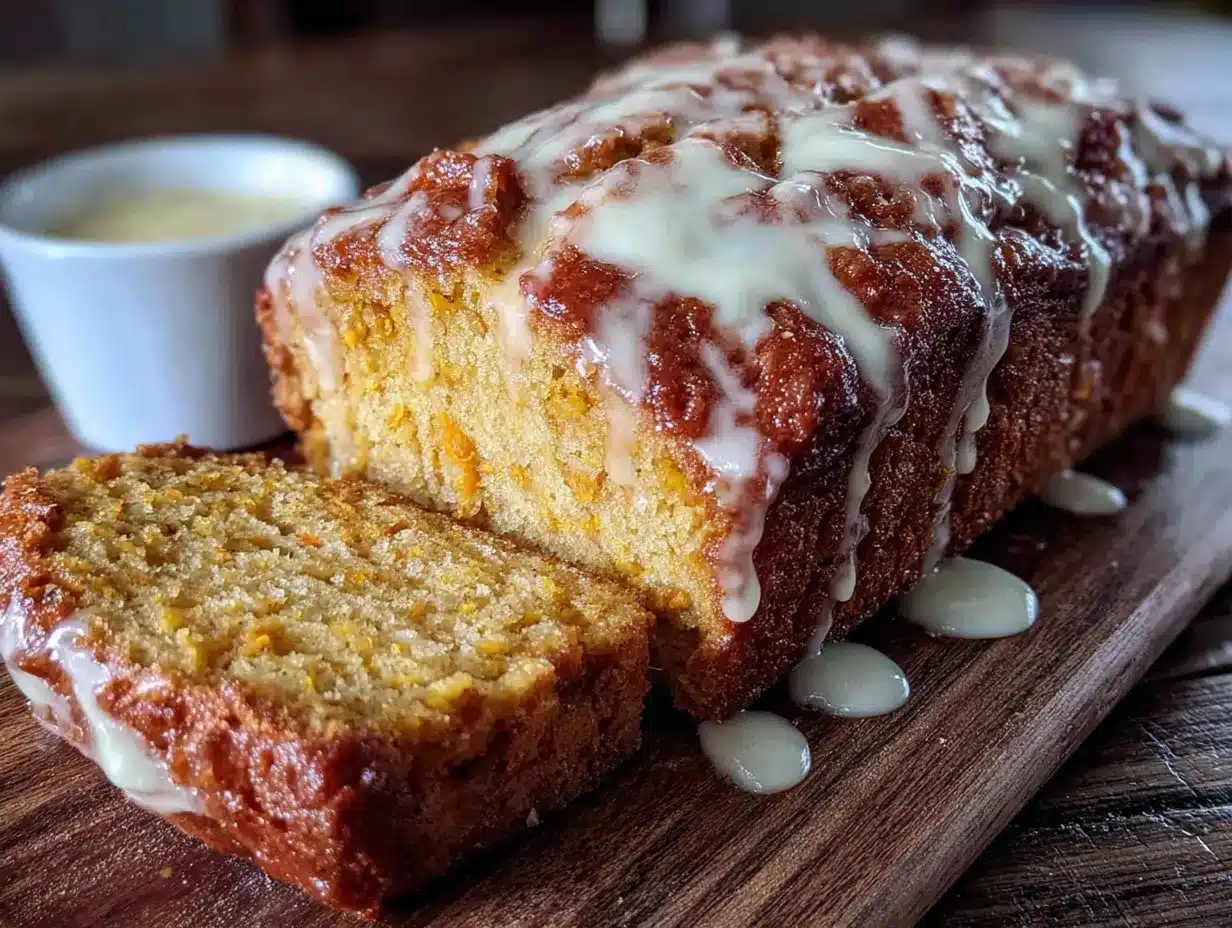
Alright, let’s get to the good part. This recipe is straightforward, but a few key steps make all the difference. Follow along, and you’ll have a loaf that smells like autumn itself.
- Brown the butter (5-7 minutes): Place the butter in your light-colored saucepan over medium heat. Let it melt completely, then swirl the pan occasionally. You’ll see it start to foam, then the foam will subside, and tiny brown specks will appear at the bottom. The color should be a deep amber, and the smell should be nutty and intoxicating. Watch it closely—it can go from perfect to burnt in seconds. Once it’s done, pour it into a heatproof bowl and let it cool for 10 minutes. (I once got distracted by a phone call and ended up with black butter. The smell of regret is surprisingly similar to burnt popcorn.)
- Preheat and prep (5 minutes): Preheat your oven to 350°F (175°C). Grease your loaf pan with butter or nonstick spray, then line it with a strip of parchment paper that hangs over the two long sides. This creates “handles” for easy removal.
- Mix the dry ingredients (2 minutes): In a large bowl, whisk together the flour, pumpkin pie spice, cinnamon, baking soda, baking powder, and salt. Set aside.
- Combine the wet ingredients (3 minutes): In a medium bowl, whisk together the cooled brown butter, granulated sugar, and brown sugar until well combined. It will look a bit grainy—that’s normal. Add the eggs one at a time, whisking well after each. Then whisk in the pumpkin puree, vegetable oil, buttermilk, and vanilla extract until smooth. The mixture should be a beautiful, glossy orange.
- Fold the batter together (2 minutes): Pour the wet ingredients into the dry ingredients. Using your rubber spatula, fold gently until just combined. A few streaks of flour are okay—overmixing will make the bread tough. Scrape the bottom of the bowl to make sure there are no hidden pockets of flour.
- Bake (55-65 minutes): Pour the batter into the prepared loaf pan and smooth the top. Bake for 55-65 minutes, or until a toothpick inserted into the center comes out clean or with a few moist crumbs. The top should be golden brown and spring back when lightly touched. If the top is browning too quickly (around the 40-minute mark), tent the pan loosely with aluminum foil.
- Cool in the pan (15 minutes): Place the pan on a cooling rack and let the bread cool for 15 minutes. Then use the parchment handles to lift it out and transfer it directly to the rack to cool completely. This is crucial—if you glaze it while it’s still warm, the glaze will melt into the bread instead of sitting on top.
- Make the glaze (5 minutes): In a small bowl, whisk together the sifted powdered sugar, maple syrup, and 1 tablespoon of milk. Add more milk, 1 teaspoon at a time, until the glaze is thick but pourable. Stir in the pinch of salt. Drizzle the glaze over the cooled bread using a spoon or a piping bag. Let it set for about 10 minutes before slicing.
Cooking Tips & Techniques
I’ve made this bread enough times to know exactly where things can go sideways. Here are my hard-earned tips for getting it right every time.
Don’t rush the brown butter. This is the most important step. Use a light-colored pan so you can actually see the color change. Keep the heat at medium—too high and the butter will burn before the milk solids have a chance to toast. When you see the specks and smell that nutty aroma, pull it off the heat immediately. Pour it into a bowl to stop the cooking process.
Measure your flour correctly. This is the number one cause of dry quick breads. Fluff the flour in its container with a spoon, then spoon it into your measuring cup and level it off with a knife. Don’t scoop directly from the bag—you’ll end up with up to 25% more flour than the recipe calls for.
Room temperature ingredients matter. Cold eggs or buttermilk can seize the brown butter, causing it to clump. If you forget to plan ahead, place the eggs in a bowl of warm water for 5 minutes and microwave the buttermilk for 10 seconds. Your batter will come together much more smoothly.
Check for doneness properly. A toothpick test is your best friend, but make sure you’re inserting it into the center of the loaf, not near the edges. If the toothpick comes out with wet batter, give it another 5 minutes. If it comes out with a few moist crumbs, it’s perfect. Overbaking is the fastest way to a dry pumpkin bread.
Patience with cooling. I know it’s hard to wait, but glazing a warm loaf is a recipe for a sticky mess. The bread needs to be completely cool—about 1-2 hours—so the glaze sets properly. If you’re in a hurry, you can pop it in the fridge for 30 minutes after it’s cooled to room temperature.
Variations & Adaptations
This recipe is wonderfully adaptable. Here are a few ways I’ve tweaked it over the years to keep things interesting.
Gluten-Free Version: Substitute the all-purpose flour with a 1:1 gluten-free baking flour blend that contains xanthan gum. I’ve used Bob’s Red Mill with great success. The texture will be slightly more tender, but the flavor is spot on. Add an extra tablespoon of buttermilk to compensate for the drier gluten-free flour.
Vegan Adaptation: Replace the eggs with two flax eggs (2 tablespoons ground flaxseed mixed with 6 tablespoons water, let sit for 5 minutes). Use a plant-based buttermilk by adding 1 tablespoon of lemon juice to ¼ cup of oat milk. For the butter, use a high-quality vegan butter stick—I like Miyoko’s—and brown it the same way. The texture will be a bit denser, but still delicious.
Chocolate Chip Pumpkin Bread: Fold in 1 cup of semi-sweet chocolate chips along with the dry ingredients. The bitterness of the chocolate balances the sweet pumpkin and maple beautifully. I did this on a whim one rainy Sunday, and it’s now my husband’s favorite version.
Spiced Maple Glaze: Add ¼ teaspoon of ground cinnamon or a pinch of nutmeg to the glaze for an extra layer of warmth. It’s a small change that makes the bread feel even cozier.
Nutty Crunch: Sprinkle ½ cup of toasted pecans or walnuts over the glaze while it’s still wet. The crunch adds a lovely texture contrast. Toast the nuts in a dry pan for 3-4 minutes until fragrant to really bring out their flavor.
Serving & Storage Suggestions
This bread is best served at room temperature or slightly warm. If you’re reheating a slice, pop it in the microwave for 10-15 seconds or in a 300°F oven for 5 minutes. The glaze will soften slightly, but the bread will taste freshly baked.
For serving, I love pairing a thick slice with a hot cup of chai tea or a dark roast coffee. The spices in the bread echo the chai’s warmth, and the coffee’s bitterness cuts through the sweetness of the glaze. It’s also wonderful alongside a dollop of lightly sweetened whipped cream or a scoop of vanilla ice cream for dessert.
Storage: Store the bread in an airtight container at room temperature for up to 3 days. The glaze will stay intact if the bread is fully cooled before you store it. If you live in a humid climate, I recommend keeping it in the fridge to prevent the glaze from getting sticky. Let slices come to room temperature before eating for the best texture.
Freezing: This bread freezes beautifully. Wrap the unglazed loaf tightly in plastic wrap, then in aluminum foil, and freeze for up to 3 months. When you’re ready to enjoy it, thaw it in the fridge overnight, bring it to room temperature, then make the glaze fresh. I’ve also frozen individual slices wrapped in plastic—perfect for grabbing a quick breakfast on busy mornings.
One thing I’ve noticed: the flavors actually deepen after a day or two. The pumpkin and spices meld together, and the brown butter’s nuttiness becomes more pronounced. So don’t be afraid to make this a day ahead—it might be even better.
Nutritional Information & Benefits
While this is definitely a treat, it does offer some surprising nutritional perks. Here’s a rough breakdown per slice (based on 10 slices):
- Calories: 380
- Fat: 18g
- Carbohydrates: 52g
- Fiber: 2g
- Sugar: 32g
- Protein: 5g
- Vitamin A: 180% of the Daily Value (from the pumpkin)
Pumpkin is packed with vitamin A, which supports eye health and immune function. It’s also rich in fiber and antioxidants like beta-carotene. The eggs provide high-quality protein and choline, which is important for brain health. And while the brown butter adds saturated fat, it also contains butyrate, a fatty acid that supports gut health in moderate amounts.
This recipe is vegetarian and can be made gluten-free or vegan with the substitutions I mentioned earlier. It does contain dairy, eggs, and gluten in its standard form, so keep that in mind for guests with allergies. If you’re watching your sugar intake, you can reduce the maple glaze to a light dusting of powdered sugar instead.
Conclusion
This brown butter pumpkin bread with maple glaze is more than just a recipe—it’s a way to capture a feeling. That first bite, with the tender crumb and the sweet, nutty glaze, takes me right back to Aunt Lena’s kitchen, even when I’m standing in my own. It’s the kind of bread that makes a gray Tuesday feel special, that turns a simple breakfast into a ritual, that reminds you why you love baking in the first place.
I hope you make this recipe your own. Maybe you’ll add chocolate chips, or skip the glaze for a less sweet version, or double it and share with neighbors. However you tweak it, I’d love to hear about it. Drop a comment below and tell me how your loaf turned out—did you make any substitutions? Did the brown butter transport you somewhere unexpected? And if you’re feeling generous, snap a photo and tag me on social media. Nothing makes my day like seeing your cozy creations.
Happy baking, friends. May your kitchen smell like autumn and your heart feel full.
Frequently Asked Questions
Can I use canned pumpkin pie filling instead of pumpkin puree?
No, I wouldn’t recommend it. Pumpkin pie filling has added sugar and spices, which will throw off the balance of this recipe. Stick with 100% pure pumpkin puree for the best results. If you have leftover puree, you can freeze it in 1-cup portions for future baking.
Why did my brown butter turn bitter?
Brown butter can go from perfect to burnt very quickly. If it smells bitter or looks almost black, you’ve taken it too far. The key is to watch for the color change to a deep amber and the appearance of brown specks, then pull it off the heat immediately. Pouring it into a cool bowl stops the cooking process.
Can I make this recipe without a loaf pan?
Absolutely. You can bake the batter in a 9×9-inch square pan for about 30-35 minutes, or in a muffin tin for about 18-22 minutes. The baking time will vary, so start checking for doneness a few minutes early. Muffins are great for portion control and freeze wonderfully.
How do I know when the bread is fully baked?
Insert a toothpick into the center of the loaf. If it comes out clean or with a few moist crumbs, it’s done. If it comes out with wet batter, bake for another 5 minutes and test again. The top should also be golden brown and spring back when lightly pressed. Be careful not to overbake, as that will dry out the bread.
Can I skip the maple glaze?
Yes, you can. The bread is delicious on its own—moist, flavorful, and perfectly spiced. If you want a lighter option, you can dust the top with powdered sugar or leave it plain. But I have to say, the glaze really does take it to another level. It adds a beautiful sweetness and a glossy finish that makes the bread look bakery-worthy.
PrintCozy Brown Butter Pumpkin Bread with Maple Glaze
This brown butter pumpkin bread is moist, tender, and deeply flavorful, thanks to nutty browned butter and warm spices. Topped with a sweet maple glaze, it’s the perfect cozy treat for fall mornings or holiday gatherings.
- Prep Time: 15 minutes
- Cook Time: 55-65 minutes
- Total Time: 1 hour 10 minutes to 1 hour 20 minutes (plus cooling time)
- Yield: 10 servings 1x
- Category: Dessert / Breakfast
- Cuisine: American
Ingredients
- 1 cup (2 sticks) unsalted butter
- 1 ½ cups (about 15 oz) pumpkin puree (100% pure, not pie filling)
- 2 cups (240g) all-purpose flour
- 1 cup (200g) granulated sugar
- ½ cup (100g, packed) light brown sugar
- 2 large eggs, at room temperature
- ⅓ cup (80ml) vegetable oil
- ¼ cup (60ml) buttermilk
- 2 teaspoons vanilla extract
- 2 teaspoons pumpkin pie spice
- 1 teaspoon ground cinnamon
- 1 teaspoon baking soda
- ½ teaspoon baking powder
- ½ teaspoon fine sea salt
- For the Maple Glaze:
- 1 cup (120g) powdered sugar, sifted
- 3 tablespoons pure maple syrup
- 1–2 tablespoons milk
- Pinch of salt
Instructions
- Brown the butter: Place the butter in a light-colored saucepan over medium heat. Melt completely, then swirl occasionally until it foams, the foam subsides, and brown specks appear at the bottom (deep amber color, nutty aroma). Pour into a heatproof bowl and let cool for 10 minutes.
- Preheat and prep: Preheat oven to 350°F (175°C). Grease a 9×5-inch loaf pan and line with parchment paper, leaving overhang on the long sides.
- Mix dry ingredients: In a large bowl, whisk together flour, pumpkin pie spice, cinnamon, baking soda, baking powder, and salt. Set aside.
- Combine wet ingredients: In a medium bowl, whisk together cooled brown butter, granulated sugar, and brown sugar until combined. Add eggs one at a time, whisking well. Whisk in pumpkin puree, vegetable oil, buttermilk, and vanilla extract until smooth.
- Fold batter: Pour wet ingredients into dry ingredients. Fold gently with a rubber spatula until just combined (a few streaks of flour are okay).
- Bake: Pour batter into prepared pan and smooth top. Bake for 55-65 minutes, until a toothpick inserted in the center comes out clean or with a few moist crumbs. If top browns too quickly, tent with foil at 40 minutes.
- Cool in pan: Place pan on a cooling rack for 15 minutes. Use parchment handles to lift bread out and transfer to rack to cool completely (1-2 hours).
- Make glaze: In a small bowl, whisk together sifted powdered sugar, maple syrup, and 1 tablespoon milk. Add more milk, 1 teaspoon at a time, until thick but pourable. Stir in pinch of salt. Drizzle over cooled bread and let set for 10 minutes before slicing.
Notes
Don’t rush the brown butter; use a light-colored pan to see the color change. Measure flour correctly by spooning and leveling. Room temperature ingredients matter for smooth batter. Check doneness with a toothpick in the center. Cool completely before glazing to prevent melting. Store in an airtight container at room temperature for up to 3 days. Freeze unglazed loaf for up to 3 months.
Nutrition
- Serving Size: 1 slice
- Calories: 380
- Sugar: 32
- Sodium: 280
- Fat: 18
- Saturated Fat: 10
- Carbohydrates: 52
- Fiber: 2
- Protein: 5
Keywords: brown butter pumpkin bread, pumpkin bread with maple glaze, fall baking, pumpkin recipe, easy pumpkin bread, moist pumpkin bread