Love this? Save it for later!
Share the inspiration with your friends
This was supposed to be a simple fig chutney for a cheese board I was putting together last September. I had the figs, the red wine vinegar, the shallots—the whole plan mapped out in my head. But somewhere between chopping the figs and reaching for the vinegar, I grabbed the honey jar instead. And I mean, I didn’t just drizzle a little in by mistake. I poured a generous, glugging amount before I even realized what I’d done. My hand froze mid-air, and I just stood there staring at the sticky golden mess I’d created. The vinegar sat untouched on the counter, and I was already running late for dinner. Honestly, I almost dumped the whole thing in the sink and started over.
But something stopped me. Maybe it was the fact that I’d spent eight dollars on those figs at the farmer’s market, or maybe it was the way the honey and fig juice were already starting to swirl together in the pot, looking suspiciously beautiful. I figured, what’s the worst that could happen? I’d end up with overly sweet gloop that I’d have to hide in yogurt for a month. So I turned the heat on low, added a squeeze of lemon, and just let it do its thing. You know that feeling when you expect a recipe to fail, but it keeps surprising you at every turn? That was this jam. The figs softened and released their deep, almost wine-like flavor, and the honey didn’t overpower them—it just wrapped around everything like a warm blanket.
By the time I spooned it into a jar, I knew I’d stumbled onto something I’d be making for years. It’s not chutney, it’s not traditional jam, and honestly, I’m still not sure what to call it. But I call it my happy little accident, and I keep making it every fig season since. Maybe you’ve been there—when a kitchen mistake turns into your most-requested recipe. This small-batch fig and honey jam is that for me, and I think it might become that for you too.
Why You’ll Love This Recipe
Let me tell you why this small-batch fig and honey jam has earned a permanent spot in my kitchen. I’ve tested this recipe at least a dozen times across three different fig seasons, tweaking the honey-to-fig ratio, adjusting the lemon, and even trying it with dried figs when fresh ones weren’t available. This version is my absolute best.
- Quick & Easy: This jam comes together in under 40 minutes, most of which is hands-off simmering time. Perfect for a lazy Sunday afternoon or when you suddenly realize you need a hostess gift in an hour.
- Simple Ingredients: You only need four main ingredients—fresh figs, honey, lemon juice, and a pinch of salt. No pectin, no special preserving sugar, no trips to three different stores.
- Perfect for Gifting: This makes a gorgeous homemade gift for the holidays, housewarmings, or just because. Tie a ribbon around the jar and you look like you spent hours planning it.
- Crowd-Pleaser: I’ve served this to cheese snobs, kids who “don’t like jam,” and my picky aunt who hates everything. Every single person asked for the recipe.
- Unbelievably Delicious: The texture is soft and spreadable with little pockets of fig seeds that pop against your tongue. The honey doesn’t make it cloying—it makes it taste like something you’d find at a fancy French market.
What makes this recipe different from every other fig jam out there is the technique. Most recipes call for tons of sugar and hours of boiling. I use only honey, and I cook it low and slow so the figs stay a little chunky. It’s not just another fig jam—it’s your new favorite way to use up those beautiful fresh figs before they go bad.
This jam is the kind that makes you close your eyes after the first bite. It’s comfort in a jar—simple, honest, and deeply satisfying. Perfect for impressing guests without any stress, or turning a Tuesday morning toast into something memorable.
What Ingredients You Will Need
This recipe uses simple, wholesome ingredients to deliver that deep, complex flavor without any fuss. Most of these are probably already in your pantry, except maybe the figs—but they’re worth seeking out.
For the Jam
- Fresh figs, 1 pound (about 450g) – Look for ripe but firm figs. Black Mission, Brown Turkey, or Kadota all work beautifully. They should be soft to the touch but not mushy, with no signs of mold. I prefer Black Mission for their intense sweetness and deep purple color.
- Honey, 1/3 cup (about 115g) – Use a mild, floral honey like orange blossom or wildflower. Avoid strong honey like buckwheat, which can overpower the delicate fig flavor. I use local wildflower honey from the farmer’s market, and it makes a noticeable difference.
- Fresh lemon juice, 2 tablespoons (30ml) – Freshly squeezed is non-negotiable here. The acidity balances the sweetness and helps the jam set. Bottled lemon juice has a flat, metallic taste that you’ll notice in the final jam.
- Lemon zest, from 1 lemon – This adds brightness and a subtle citrus note that lifts the whole jam. Don’t skip it—it’s not just decoration.
- Fine sea salt, a pinch – Just enough to round out the flavors and reduce any cloying sweetness. I use about 1/8 teaspoon.
- Vanilla extract, 1/2 teaspoon (optional but recommended) – This adds warmth and depth. I add it every time now after a friend suggested it, and I’ve never looked back.
Substitution Notes
- No fresh figs? You can use dried figs (about 8 ounces or 225g), but rehydrate them in hot water for 20 minutes first, then chop them. The texture will be different—more like a paste—but the flavor is still wonderful.
- Need a vegan option? Use maple syrup or agave nectar instead of honey. The flavor will change slightly, but maple syrup and fig is a surprisingly good combination.
- Low-sugar version? Reduce honey to 1/4 cup and add a tablespoon of chia seeds to help thicken the jam naturally. It won’t be as shelf-stable, so keep it in the fridge.
I recommend using figs from a trusted source—your local farmer’s market or a grocery store with good produce turnover. Figs don’t ripen after they’re picked, so what you buy is what you get. If they’re underripe and hard, the jam will be less flavorful. If they’re overripe and oozing, they might make the jam too watery. Look for that sweet spot of gentle give when you squeeze them.
Equipment Needed
You don’t need a fancy canning setup for this small-batch recipe. Here’s what I use every time:
- Medium heavy-bottomed saucepan (2 to 3 quarts) – A stainless steel or enameled cast iron pot works best. Avoid thin aluminum pans, which can cause hot spots and burn the jam before it’s cooked through. I use my trusty 2.5-quart Le Creuset, but a cheap stainless pot works fine too.
- Wooden spoon or silicone spatula – For stirring. Wooden spoons are great because they don’t scratch your pots, and they give you good leverage for mashing the figs.
- Potato masher or fork – For breaking down the figs as they cook. A potato masher gives you more control over the texture than a fork.
- Fine-mesh strainer (optional) – If you want a seedless jam, you can press the cooked figs through a strainer. I prefer the seeds, so I skip this step.
- Glass jar with tight-fitting lid – A 12-ounce (about 350ml) jar is perfect for this batch. Sterilize it by washing in hot soapy water and drying in a 250°F oven for 10 minutes.
- Small funnel (optional but helpful) – For transferring hot jam into the jar without making a sticky mess.
- Kitchen scale (optional) – Figs vary wildly in size, so weighing them is more accurate than counting. I use my scale every time now after one batch where I guessed wrong and ended up with too little jam.
If you don’t have a heavy-bottomed saucepan, use a nonstick skillet instead. The wider surface area actually helps the jam cook faster and reduce more quickly. Just watch it closely so it doesn’t burn.
Preparation Method
This is where the magic happens. Take your time with the figs—they deserve it.
- Prepare the figs (5 minutes): Rinse the figs gently under cool water and pat them dry with a clean kitchen towel. Remove the hard stems by cutting them off with a paring knife—just the very tip where they attach to the branch. Cut each fig into quarters or sixths, depending on size. You want pieces that are roughly the same size so they cook evenly. Don’t worry if they’re not perfect; they’ll break down as they cook.
- Combine ingredients in the pot (2 minutes): Place the chopped figs in your saucepan. Add the honey, lemon juice, lemon zest, and a pinch of salt. Give everything a good stir with your wooden spoon. At this point, it will look like a sticky, chunky mess—that’s exactly right. Let it sit for 5 minutes if you have time, which allows the figs to release some of their juices and macerate slightly.
- Start cooking (10 minutes): Place the pot over medium heat and bring the mixture to a gentle simmer. You’ll see small bubbles breaking the surface, not a rolling boil. Stir frequently to prevent the honey from sticking to the bottom. After about 5 minutes, the figs will start to soften and release more liquid. The mixture will look looser and more like a compote. Reduce the heat to medium-low if it starts boiling too vigorously.
- Mash and simmer (15-20 minutes): Once the figs are soft enough to mash easily (about 10 minutes in), grab your potato masher or fork. Mash the figs to your desired consistency. I like mine with some texture—about half mashed, half chunky. If you prefer a smoother jam, mash more thoroughly. Continue simmering on low heat, stirring occasionally, until the jam thickens. You’ll know it’s ready when it coats the back of your spoon and leaves a clear trail when you run your finger through it. This usually takes another 10-15 minutes. The jam will also thicken more as it cools, so don’t cook it until it’s as thick as you want it—stop when it’s slightly looser than your ideal consistency.
- Add vanilla and adjust seasoning (2 minutes): Remove the pot from heat. Stir in the vanilla extract if you’re using it. Taste the jam carefully (it’s hot!) and adjust the sweetness or acidity. If it’s too sweet, add another squeeze of lemon juice. If it’s too tart, a tiny drizzle more honey. This is your chance to make it perfect for your palate.
- Cool and jar (10 minutes): Let the jam cool in the pot for about 5 minutes. It will continue to thicken as it sits. Using your funnel, carefully transfer the hot jam into your sterilized jar. Leave about 1/4 inch of headspace at the top. Wipe the rim of the jar with a clean, damp cloth to remove any sticky residue. Screw the lid on tightly and let it cool completely at room temperature. You’ll hear a satisfying pop as the lid seals—that’s the sound of success.
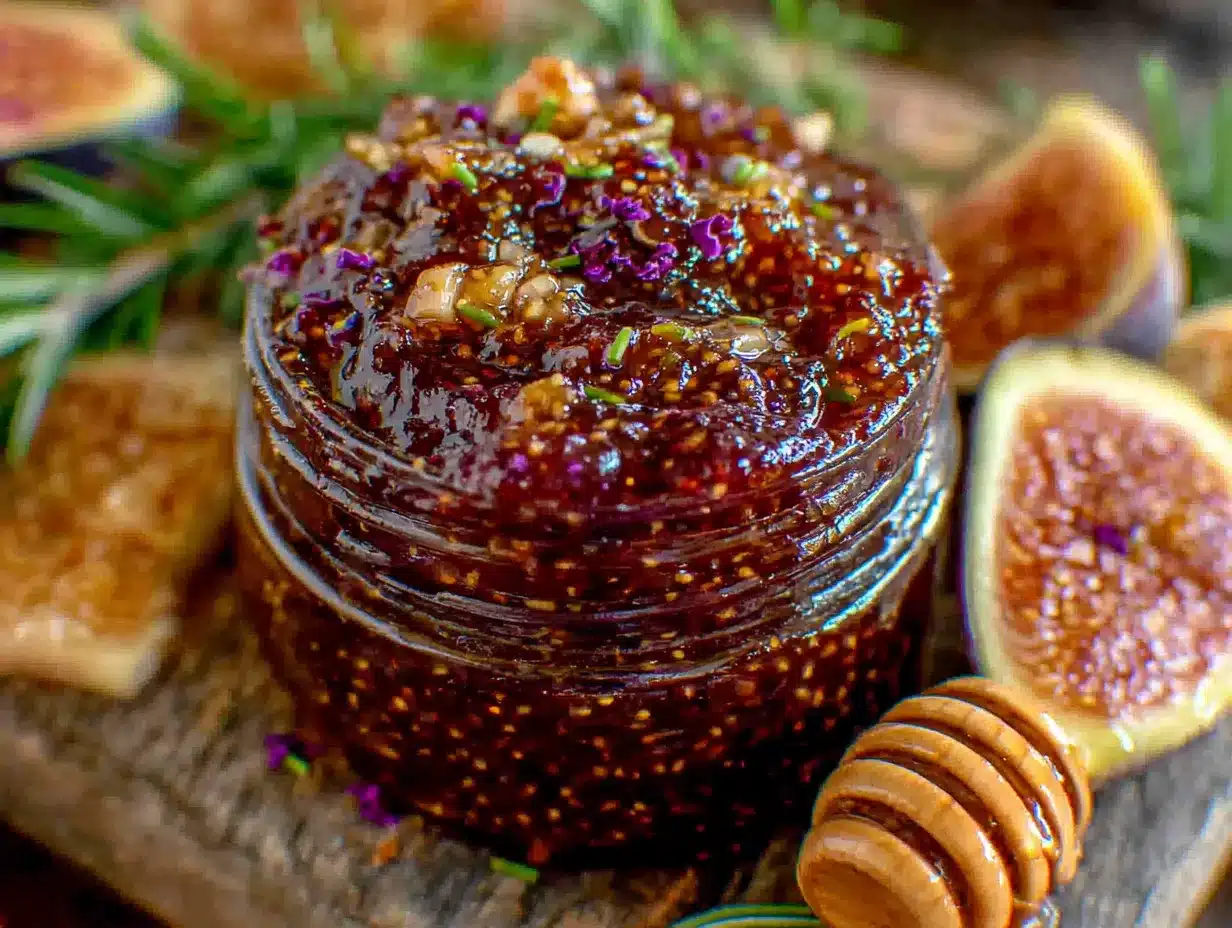
Sensory cue: When the jam is done, it should look deep, dark, and almost jewel-like—a rich mahogany color with tiny golden flecks from the fig seeds. The smell is intoxicating: warm honey, sweet figs, and a bright hint of lemon that cuts through everything.
Troubleshooting tip: If your jam seems too runny after cooling, don’t panic. You can return it to the pot, add a teaspoon of lemon juice, and simmer for another 5 minutes. The extra acid helps activate natural pectin. If it’s too thick, stir in a tablespoon of warm water until it loosens up.
Cooking Tips & Techniques
I’ve made this jam more times than I can count, and I’ve learned a few things the hard way. Let me save you some trouble.
Don’t walk away from the pot. Honey-based jams can go from perfectly thick to burnt in about 30 seconds. I learned this the hard way when I got distracted by a phone call and came back to a pot that smelled like a campfire. Stay close, stir often, and trust your nose. If you smell anything toasty, pull it off the heat immediately.
Use a heavy-bottomed pot. This isn’t just equipment snobbery—it genuinely matters. Thin pots create hot spots that scorch the honey before the figs have a chance to break down. If you only have a thin pot, cook the jam on the lowest possible heat and stir almost constantly.
Test for doneness with the cold plate method. Before you start cooking, pop a small plate in the freezer. When you think the jam might be done, drop a tiny spoonful onto the cold plate. Let it sit for 30 seconds, then push it with your finger. If it wrinkles and holds its shape, it’s ready. If it runs like liquid, keep cooking. This takes the guesswork out completely.
Let the jam rest before jarring. I know it’s tempting to get it into the jar immediately, but letting it cool for 5 minutes in the pot allows the flavors to meld and the texture to settle. You’ll get a more consistent jam this way.
Double the batch if you’re feeling ambitious. This recipe is designed for small batches because fresh figs don’t last long, and small batches are easier to manage. But if you have a bounty of figs, you can easily double everything and cook it for slightly longer—just watch the pot like a hawk.
One more thing: Don’t skip the lemon zest. I did once because I was lazy, and the jam tasted flat and one-dimensional. The zest adds a brightness that makes the fig and honey sing together. It’s worth the extra 30 seconds.
Variations & Adaptations
One of the best things about this jam is how flexible it is. Here are some variations I’ve tried and loved.
Spiced Fig and Honey Jam: Add 1/2 teaspoon of ground cinnamon, 1/4 teaspoon of ground cardamom, and a pinch of ground cloves along with the figs. The warm spices make this taste like the holidays in a jar. I make this version every December for gift-giving, and it’s always the first jar to disappear.
Fig and Rosemary Jam: Add one sprig of fresh rosemary to the pot while the jam simmers. Remove it before jarring. The herbal notes cut through the sweetness beautifully and make this jam incredible with sharp cheddar cheese. I stumbled on this combination when I had leftover rosemary on the counter and decided to toss it in on a whim—best whim I’ve ever had.
Balsamic Fig Jam: Replace 1 tablespoon of the lemon juice with good balsamic vinegar. The vinegar adds a tangy, slightly savory depth that’s amazing on crostini with goat cheese. This version is my go-to for dinner parties because it feels fancy without any extra effort.
Low-Sugar/No-Honey Version: If you’re avoiding honey, use 1/4 cup of maple syrup and add 1 tablespoon of chia seeds. The chia seeds will thicken the jam naturally as it cools. The texture is a bit different—more like a chia jam—but the flavor is still wonderful. I’ve made this for friends with dietary restrictions, and they always ask for more.
Dried Fig Version: When fresh figs aren’t in season, use 8 ounces of dried figs. Chop them finely, then soak in hot water for 20 minutes before cooking. Use the soaking water instead of plain water if you need to thin the jam. The flavor is more concentrated, so you might want to reduce the honey to 1/4 cup. I made this during a winter fig craving, and honestly, it’s almost better than the fresh version.
Spicy Fig Jam: Add a small dried chili pepper (like a Thai bird’s eye or arbol) to the pot while it simmers. Remove it before jarring. The heat builds slowly and pairs surprisingly well with the sweet figs. My neighbor dared me to try this, and now I can’t go back.
Serving & Storage Suggestions
This jam is incredibly versatile, and I love finding new ways to use it. Here are my favorites.
Serving temperature: Serve at room temperature for the best texture and flavor. Cold jam straight from the fridge is too stiff to spread easily. Just let it sit out for 15-20 minutes before using.
Classic pairings: Spread it thickly on warm toast, biscuits, or scones. It’s also incredible on a cheese board—try it with sharp cheddar, creamy brie, or tangy goat cheese. Drizzle it over Greek yogurt or vanilla ice cream for an instant dessert upgrade.
Savory uses: Use it as a glaze for roasted pork or chicken. Brush it on during the last 10 minutes of cooking for a sticky, caramelized finish. It’s also amazing on a sandwich with turkey and brie—trust me on this one.
Storage: Store the jam in the refrigerator for up to 3 weeks. Because this is a small-batch, low-sugar recipe, it’s not shelf-stable like traditional canned jam. Always keep it refrigerated. If you want to make it last longer, you can freeze it for up to 6 months in a freezer-safe container. Thaw in the refrigerator overnight before using.
Reheating: If the jam thickens too much in the fridge, microwave it for 10-15 seconds or let it sit at room temperature for 30 minutes. You can also stir in a teaspoon of warm water to loosen it up.
Flavor development: The flavors actually get better after a day or two in the fridge. The honey and fig meld together, and the lemon brightens everything up. If you can resist eating it immediately, let it rest overnight for the best flavor. I always make this jam a day before I plan to serve it, and it’s never let me down.
Nutritional Information & Benefits
This jam is made with whole, natural ingredients, so you can feel good about enjoying it. Here’s a rough estimate per 1-tablespoon serving (based on the full batch making about 12 servings):
- Calories: 45-55
- Carbohydrates: 12g
- Sugar: 10g (all from natural sources—figs and honey)
- Fiber: 1g
- Protein: 0.3g
- Fat: 0g
- Sodium: 10mg
Health benefits: Figs are an excellent source of dietary fiber, which supports digestive health, and they’re packed with antioxidants that help fight inflammation. They also contain potassium, magnesium, and calcium for bone health. Honey is a natural source of antimicrobial compounds and can help soothe sore throats and coughs. Of course, this is still a sweet treat, so enjoy it in moderation.
Dietary considerations: This recipe is naturally gluten-free, dairy-free, and vegetarian. For a vegan version, substitute the honey with maple syrup or agave. It’s also free from refined sugar, which makes it a better option than conventional jams for those watching their sugar intake.
Allergen note: This jam is free from the top eight allergens, but always check your honey source if you have concerns about cross-contamination. The jam itself contains no nuts, soy, eggs, or dairy.
I personally love that this jam lets me enjoy something sweet without the processed sugar crash. It’s a small indulgence that feels nourishing rather than guilty.
Frequently Asked Questions
Can I use dried figs instead of fresh?
Yes, absolutely. Use 8 ounces of dried figs, chop them finely, and soak them in hot water for 20 minutes before cooking. Drain them (reserve the soaking water) and proceed with the recipe. The flavor will be more concentrated, so you might want to reduce the honey slightly.
Why is my jam too runny?
This usually means it hasn’t cooked long enough. Return it to the pot and simmer for another 5-10 minutes, stirring constantly. You can also add a teaspoon of lemon juice to help activate natural pectin. Remember that the jam will thicken as it cools, so don’t overcook it in a panic.
How long does this jam last?
Stored in a sealed jar in the refrigerator, this jam will stay fresh for up to 3 weeks. If you freeze it, it will last up to 6 months. Because it’s a low-sugar, small-batch recipe, it’s not shelf-stable at room temperature like traditional canned jams.
Can I can this jam for long-term storage?
This recipe isn’t designed for water bath canning because it has a low sugar content and no added pectin. For safe canning, you’d need to increase the sugar significantly. I recommend sticking with refrigerator storage or freezing for this particular recipe.
What if I don’t have a potato masher?
No problem. Use a fork to mash the figs, or pulse the cooked jam a few times in a food processor for a smoother texture. You can also use an immersion blender, but be careful not to over-blend—you want some texture, not a puree.
Conclusion
This small-batch fig and honey jam is proof that the best recipes often come from happy accidents. It’s simple enough for a weekday project but special enough to give as a gift that looks like you spent hours on it. The combination of sweet figs and floral honey, brightened with lemon and deepened with vanilla, is something you’ll find yourself reaching for again and again.
I hope you make this jam your own. Add a spice, swap the honey for maple, or keep it exactly as written—it’s hard to go wrong when you’re working with such beautiful ingredients. And if you do make it, I’d love to hear how it turned out. Drop a comment below or tag me in your photos. There’s something deeply satisfying about seeing a jar of homemade jam on your counter, knowing you made it with your own two hands.
So go ahead—grab those figs, pour that honey, and let yourself enjoy the process. This is the kind of recipe that makes you slow down and savor the little things. And honestly, isn’t that what cooking is all about?
Pin This Recipe!
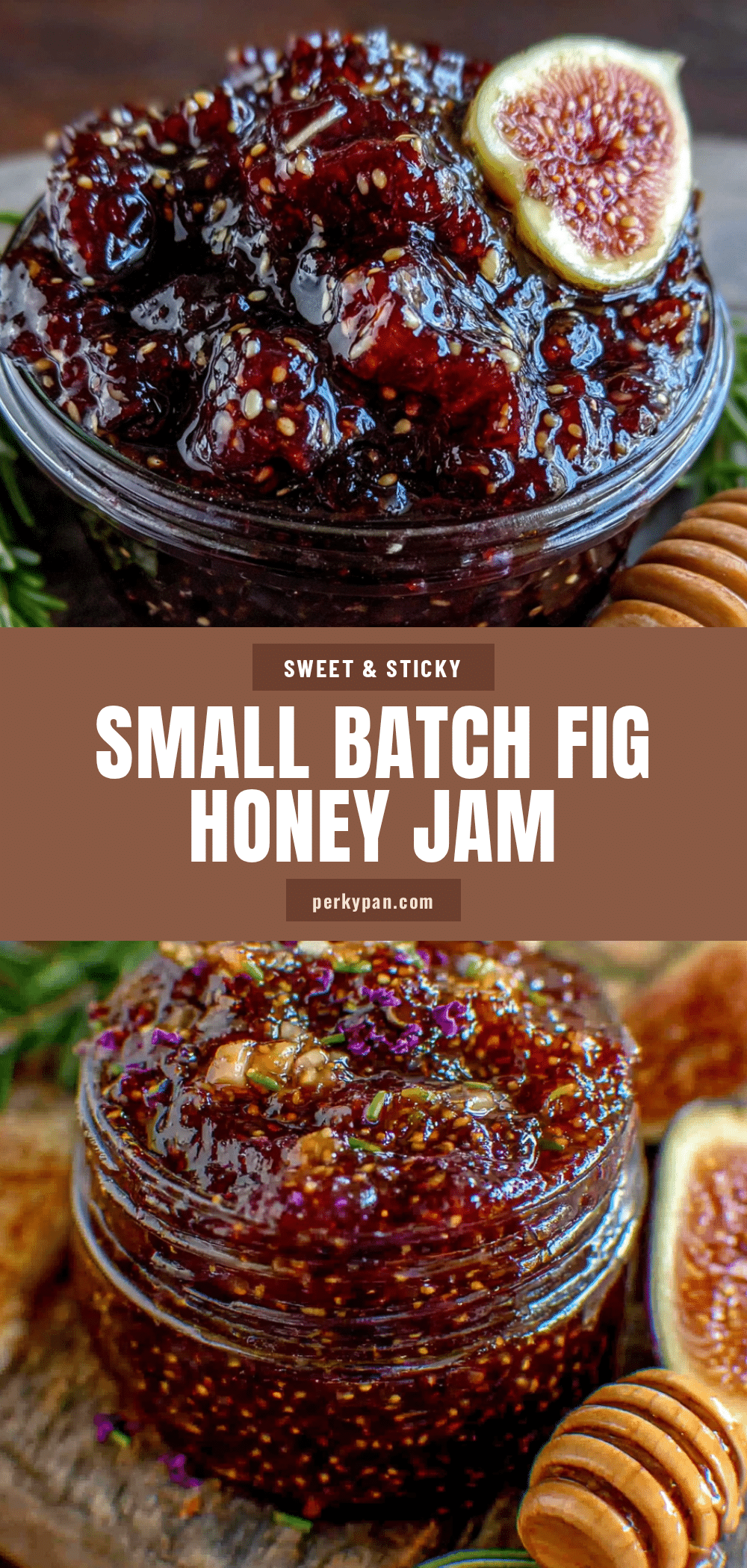
Best Easy Small-Batch Fig Honey Jam Recipe
A simple, small-batch fig jam made with honey instead of sugar, perfect for gifting or enjoying on toast, cheese boards, and more. This happy accident turned into a beloved recipe that comes together in under 40 minutes.
- Prep Time: 10 minutes
- Cook Time: 25 minutes
- Total Time: 35 minutes
- Yield: 12 servings (about 1 cup / 12 ounces) 1x
- Category: Condiment
- Cuisine: American
Ingredients
- 1 pound (about 450g) fresh figs (Black Mission, Brown Turkey, or Kadota), stems removed and quartered
- 1/3 cup (about 115g) mild honey (such as orange blossom or wildflower)
- 2 tablespoons (30ml) fresh lemon juice
- Zest of 1 lemon
- Pinch of fine sea salt (about 1/8 teaspoon)
- 1/2 teaspoon vanilla extract (optional but recommended)
Instructions
- Prepare the figs: Rinse figs gently, pat dry, remove stems, and cut into quarters or sixths. Aim for uniform pieces.
- Combine ingredients: In a medium heavy-bottomed saucepan, combine chopped figs, honey, lemon juice, lemon zest, and salt. Stir well. Let sit for 5 minutes if time allows.
- Start cooking: Place pot over medium heat and bring to a gentle simmer. Stir frequently. After about 5 minutes, figs will soften and release liquid. Reduce heat to medium-low if boiling too vigorously.
- Mash and simmer: Once figs are soft (about 10 minutes), use a potato masher or fork to mash to desired consistency. Continue simmering on low heat, stirring occasionally, until jam thickens and coats the back of a spoon (about 10-15 more minutes). It should be slightly looser than desired as it will thicken upon cooling.
- Add vanilla and adjust seasoning: Remove from heat. Stir in vanilla extract if using. Taste and adjust sweetness or acidity with extra lemon juice or honey as needed.
- Cool and jar: Let jam cool in pot for 5 minutes. Transfer to a sterilized 12-ounce (350ml) glass jar, leaving 1/4 inch headspace. Wipe rim, screw on lid, and let cool completely at room temperature.
Notes
This jam is not shelf-stable due to low sugar content; store in refrigerator for up to 3 weeks or freeze for up to 6 months. For a vegan version, substitute honey with maple syrup or agave. For a spiced version, add 1/2 tsp cinnamon, 1/4 tsp cardamom, and a pinch of cloves. For a savory twist, add a sprig of fresh rosemary while simmering. Use the cold plate test to check doneness: place a small spoonful on a frozen plate; if it wrinkles when pushed, it’s ready.
Nutrition
- Serving Size: 1 tablespoon
- Calories: 50
- Sugar: 10
- Sodium: 10
- Carbohydrates: 12
- Fiber: 1
- Protein: 0.3
Keywords: fig jam, honey jam, small batch jam, fig recipe, homemade jam, easy jam, no pectin jam, fig honey jam