Love this? Save it for later!
Share the inspiration with your friends
Introduction
There used to be this tiny Japanese bistro tucked away on a quiet street in Seattle’s Ballard neighborhood that made the most unforgettable miso glazed salmon. When they shuttered their doors for good last winter, honestly, I felt like a part of my dinner routine disappeared too. The memory of that perfectly caramelized glaze, the tender salmon flaked just right, paired with the nutty sesame bok choy and that subtle zing of ginger rice—it haunted me. After about six attempts—some burned, some bland, a few just meh—I finally nailed it. It wasn’t about just making dinner; it was about capturing that exact moment of flavor harmony I’d lost. Let me tell you, you know that feeling when a dish takes you back to a place you can’t visit anymore? This recipe stayed with me because it’s more than food; it’s a little piece of that bistro’s magic, right on my own table.
Why You’ll Love This Recipe
Honestly, this flavorful miso glazed salmon recipe is a keeper for several reasons I’ve discovered through testing and retesting it in my kitchen.
- Quick & Easy: Comes together in under 30 minutes, perfect for busy weeknights or those moments when you want something special without the fuss.
- Simple Ingredients: You probably have most of these pantry staples already—miso paste, soy sauce, sesame oil, and fresh ginger make all the difference.
- Perfect for Dinner Parties or Cozy Nights: It feels fancy but is surprisingly approachable, so it’s great for entertaining or a comforting solo meal.
- Crowd-Pleaser: Kids and adults alike tend to rave about the savory-sweet glaze and the crispy-tender salmon.
- Unbelievably Delicious: The mix of umami-rich miso with the fresh, bright ginger rice and sesame bok choy creates a balance that keeps you coming back for more.
What sets this apart is the glaze’s perfect blend—sweet but not overpowering, salty but with depth. The sesame bok choy isn’t just a side; it adds a lovely crunch and a toasty aroma that complements the salmon beautifully. Plus, the ginger rice brings warmth and a subtle spice that ties everything together. Honestly, if you’re used to plain salmon dinners, this dish will change the game—and you’ll want to make it again and again.
What Ingredients You Will Need
This recipe uses simple, wholesome ingredients to deliver bold flavor and satisfying texture without the fuss. Most are pantry staples or easy to find at your local grocery or Asian market.
- For the Miso Glazed Salmon:
- Salmon fillets (4 pieces, about 6 oz/170 g each), skin-on for best texture
- White miso paste (3 tablespoons) – I prefer Hikari brand for its smoothness
- Sake (2 tablespoons) or dry white wine (optional, but adds depth)
- Mirin (2 tablespoons) – adds subtle sweetness
- Brown sugar (1 tablespoon) – balances miso saltiness
- Low-sodium soy sauce (1 tablespoon)
- Freshly grated ginger (1 teaspoon)
- Garlic clove, minced (1 small)
- For the Sesame Bok Choy:
- Bok choy (4 baby heads or 2 large, halved lengthwise)
- Sesame oil (1 tablespoon) – toasting the greens gives it that nutty flavor
- Garlic, thinly sliced (1 clove)
- Toasted sesame seeds (1 teaspoon) for garnish
- Salt and freshly ground black pepper to taste
- For the Ginger Rice:
- Jasmine rice (1 cup/190 g), rinsed
- Fresh ginger, minced (1 tablespoon)
- Water or chicken broth (1 1/4 cups/300 ml) for cooking rice
- Green onions, sliced (2 tablespoons) for garnish
- Sesame oil (1 teaspoon) – stirred in after cooking
Substitution tips: Use tamari for gluten-free soy sauce, and swap jasmine rice for brown rice if you want a nuttier texture (just increase cooking time). If you can’t find mirin, a touch of honey mixed with a splash of rice vinegar works in a pinch. I usually recommend fresh ginger over powdered—it makes a big flavor difference.
Equipment Needed
- Nonstick or cast-iron skillet – great for even searing of the salmon and cooking bok choy.
- Medium saucepan with a tight-fitting lid – essential for perfectly steamed ginger rice.
- Small mixing bowl – to whisk together the miso glaze.
- Sharp knife and cutting board – prepping the salmon and vegetables.
- Measuring spoons and cups – for accurate ingredient amounts.
- Optional: Fish spatula – makes flipping the delicate salmon easier without breaking it.
If you don’t have a cast-iron skillet, a heavy-bottomed stainless steel pan works fine, just keep an eye on the heat to avoid sticking. For budget-conscious cooks, a good-quality nonstick pan is a worthy investment since it helps get that caramelized glaze without a mess. Also, cleaning and drying your pans immediately after cooking keeps them in shape longer.
Preparation Method
- Prepare the Miso Glaze: In a small bowl, whisk together 3 tablespoons white miso paste, 2 tablespoons sake (or dry white wine), 2 tablespoons mirin, 1 tablespoon brown sugar, 1 tablespoon soy sauce, 1 teaspoon freshly grated ginger, and 1 minced garlic clove. Set aside to let flavors meld for 5-10 minutes.
- Rinse the Rice: Place 1 cup jasmine rice in a fine mesh sieve and rinse under cold water until the water runs clear. This removes excess starch for fluffier rice.
- Cook the Ginger Rice: In a medium saucepan, combine rinsed rice, 1 1/4 cups water (or chicken broth for added flavor), and 1 tablespoon minced fresh ginger. Bring to a boil over medium-high heat, then reduce to low, cover tightly, and simmer for 15 minutes. Avoid lifting the lid! After 15 minutes, turn off heat and let it steam for another 10 minutes. Fluff with a fork, stir in 1 teaspoon sesame oil, and keep warm.
- Prepare the Bok Choy: While rice cooks, heat 1 tablespoon sesame oil in a large skillet over medium heat. Add 1 thinly sliced garlic clove and sauté until fragrant (about 30 seconds). Add halved bok choy, cut side down, season with salt and pepper, and cook undisturbed for 3-4 minutes until edges are golden and slightly charred. Flip and cook the other side for 2 minutes. Remove from heat and sprinkle with toasted sesame seeds.
- Cook the Salmon: Preheat your oven to 400°F (200°C). Line a baking sheet with foil or parchment paper for easy cleanup. Place salmon fillets skin-side down and brush generously with the miso glaze on top. Reserve any leftover glaze. Bake for 10-12 minutes, depending on thickness, until salmon flakes easily with a fork and glaze is caramelized but not burnt. (Pro tip: Watch closely the last few minutes to prevent burning the sugar in the glaze.)
- Optional Broil Finish: For extra caramelization, switch oven to broil for 1-2 minutes after baking, but keep a close eye to avoid charring.
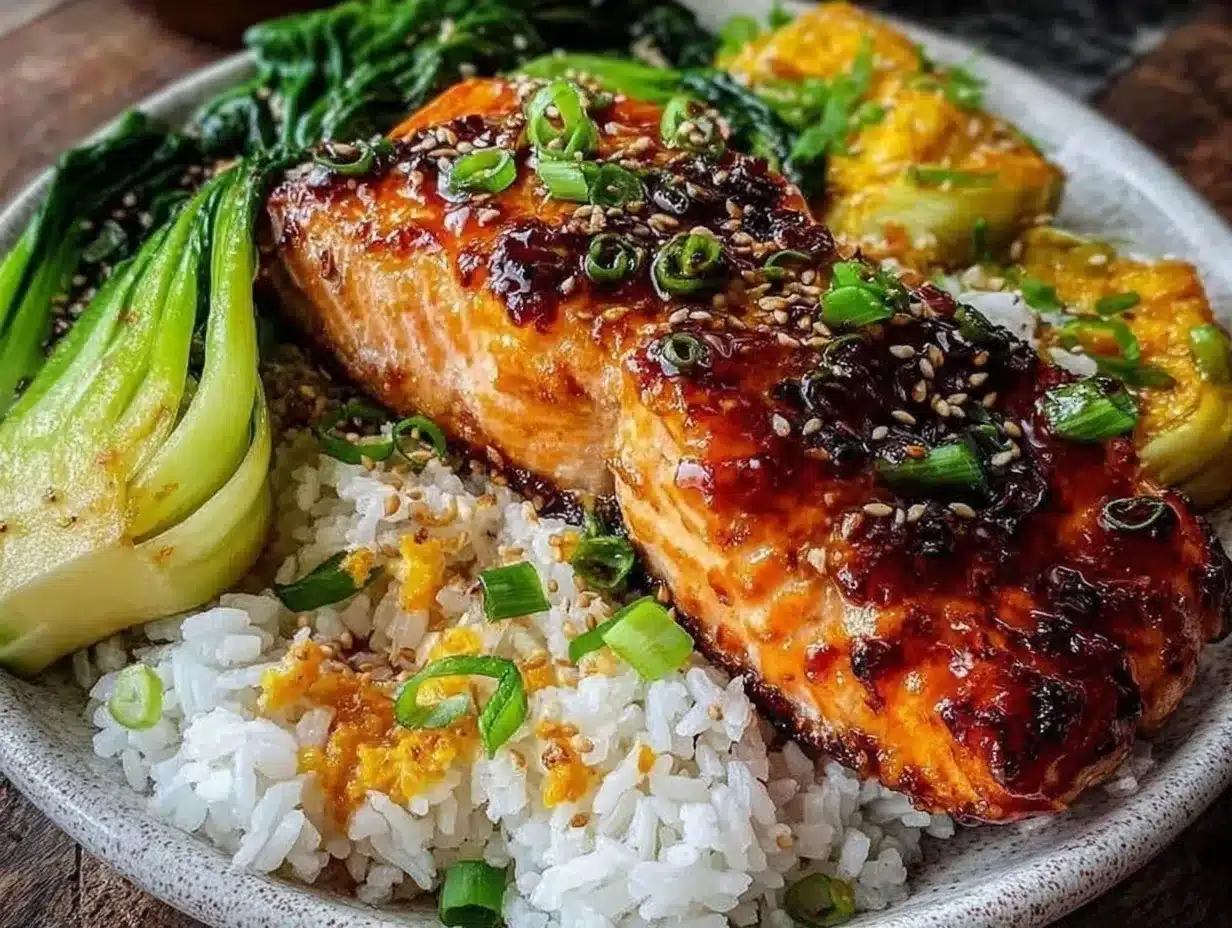
- Plate and Serve: Spoon ginger rice onto each plate, arrange sesame bok choy alongside, and top with a perfectly glazed salmon fillet. Drizzle any leftover glaze or pan juices over the salmon if desired. Garnish with extra green onions or sesame seeds for a fresh, crunchy touch.
Cooking Tips & Techniques
Getting that perfect balance of sweet, salty, and umami in the miso glaze is the trickiest part, honestly. I learned early on not to rush the marinating—letting the glaze rest while prepping the other components deepens the flavor.
When cooking salmon, skin-on fillets are your friend. The skin helps hold the fish together and crisps up nicely, adding texture contrast. If you’re worried about sticking, use a hot pan and don’t try to move the salmon too soon.
For the bok choy, patience is key. Letting it sear undisturbed creates those beautiful golden edges. If you stir too much, you’ll miss out on that toasty flavor.
Also, timing is everything. Start the rice first since it takes the longest, then prep your glaze and bok choy while the rice cooks. This multitasking keeps everything fresh and hot for plating.
Don’t skip rinsing the rice! It’s a small step but makes a huge difference in texture. And finally, don’t be shy about tasting and adjusting seasonings, especially the glaze—sometimes a little extra soy sauce or sugar can make it just right.
Variations & Adaptations
There’s room to personalize this dish without losing its soul:
- Dietary: Swap salmon for tofu or tempeh for a vegetarian version—marinate and bake similarly.
- Seasonal: In spring, add steamed sugar snap peas or asparagus for extra crunch and color.
- Flavor Twist: Add a teaspoon of chili paste to the glaze for a spicy kick, or sprinkle fresh cilantro for herbal brightness.
- Cooking Method: Grill the salmon for a smoky flavor, just watch the glaze closely so it doesn’t burn.
- Allergen Friendly: Use tamari instead of soy sauce and coconut aminos if soy is an issue.
Personally, I’ve tried adding a splash of orange juice to the glaze once—it brought a subtle citrus note that was surprisingly refreshing. Experiment and see what hits your flavor sweet spot!
Serving & Storage Suggestions
This dish is best served immediately while the salmon is warm and the rice fragrant. The contrast of hot salmon and rice with slightly crispy bok choy is part of the charm.
Pair it with a light cucumber salad or a simple miso soup to round out the meal. A chilled glass of sake or a crisp white wine like Sauvignon Blanc complements the umami flavors beautifully.
Leftovers keep well in an airtight container in the fridge for up to 2 days. Reheat gently in a skillet or microwave with a splash of water to keep rice moist. The flavors actually deepen after resting overnight, so if you can wait, it’s worth it.
Nutritional Information & Benefits
Each serving of this miso glazed salmon with sesame bok choy and ginger rice has approximately 450-500 calories, rich in protein, omega-3 fatty acids, and essential vitamins. Salmon is well-known for promoting heart health and brain function, while bok choy provides antioxidants and vitamin C.
The ginger in the rice aids digestion and adds anti-inflammatory benefits. This balanced meal is gluten-friendly (with tamari substitution), low in added sugars, and packed with fresh, natural ingredients. It’s a wholesome choice that tastes indulgent.
Conclusion
This flavorful miso glazed salmon recipe isn’t just about cooking fish; it’s about capturing a moment and making it your own. Whether you’re chasing a memory like I was or simply looking for a reliable weeknight winner, this dish delivers in every way. I love how easy it is to pull together yet impressive enough to share with guests or enjoy as a personal treat.
Feel free to tweak the glaze or sides to suit your taste—cooking is all about making food your own. I’d love to hear how your version turns out or what special twists you add. Drop a comment below and share your story!
Go ahead, make this recipe tonight and bring a little savory-sweet joy to your table.
FAQs
Can I use frozen salmon for this recipe?
Yes, but thaw it completely and pat dry before applying the glaze to ensure even cooking and good caramelization.
What type of miso paste is best for glazing salmon?
White miso (shiro miso) is ideal because it’s milder and sweeter, which works well with the salmon’s flavor without overpowering it.
How do I prevent the miso glaze from burning in the oven?
Keep an eye on the salmon during the last few minutes of baking. You can also bake at a slightly lower temperature or finish with broiling for just 1-2 minutes to caramelize carefully.
Can I prepare parts of this dish ahead of time?
You can prepare the miso glaze and rinse the rice ahead, but it’s best to cook the salmon and bok choy fresh for optimal texture and flavor.
Is the ginger rice spicy?
No, it has a gentle warmth and aromatic zing from fresh ginger, but it’s not hot or overpowering—great for all palates.
Pin This Recipe!
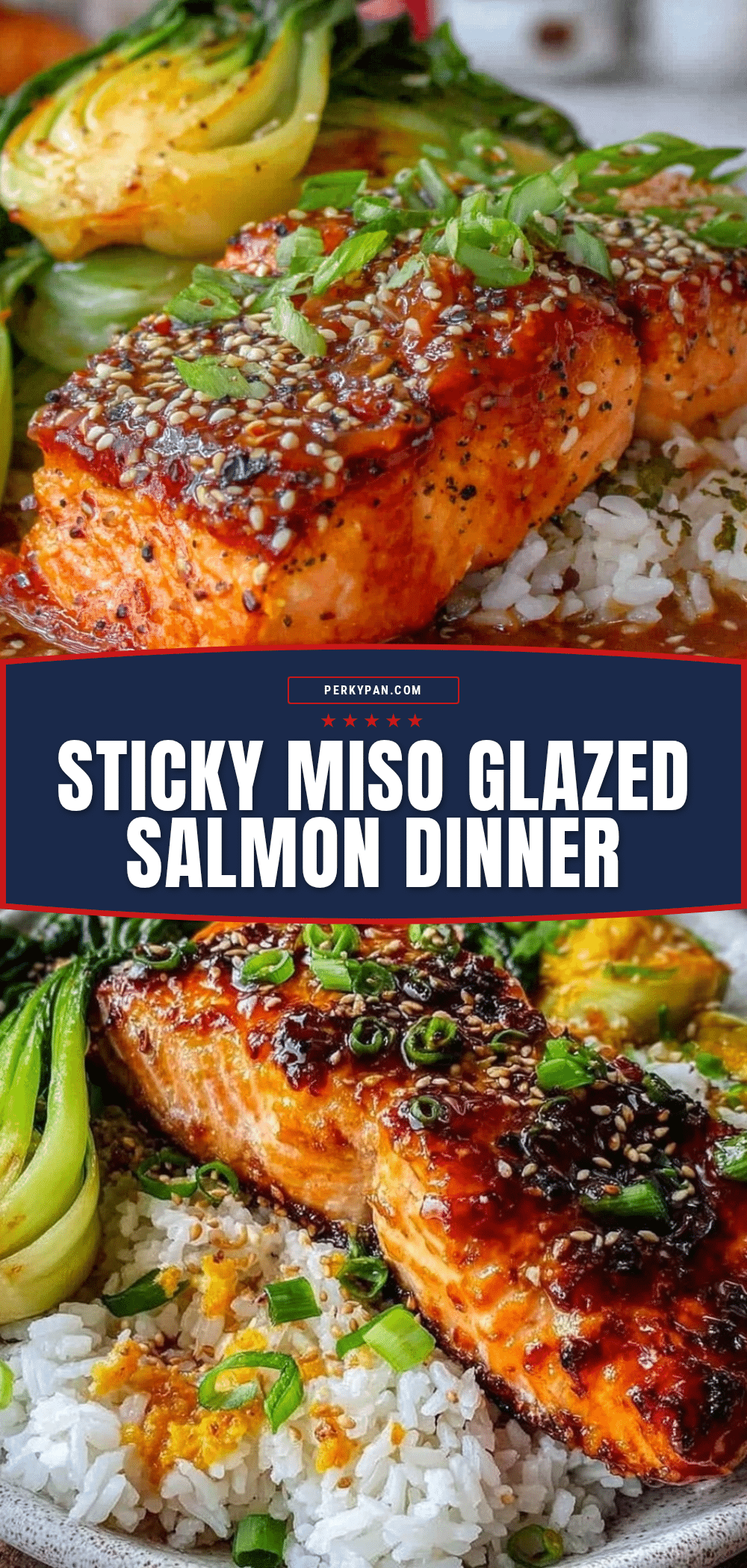
Flavorful Miso Glazed Salmon Recipe with Easy Sesame Bok Choy and Ginger Rice

A quick and easy miso glazed salmon paired with nutty sesame bok choy and warm ginger rice, delivering a perfect balance of sweet, salty, and umami flavors in under 30 minutes.
- Prep Time: 10 minutes
- Cook Time: 20 minutes
- Total Time: 30 minutes
- Yield: 4 servings 1x
- Category: Main Course
- Cuisine: Japanese
Ingredients
- 4 salmon fillets (about 6 oz each), skin-on
- 3 tablespoons white miso paste
- 2 tablespoons sake or dry white wine (optional)
- 2 tablespoons mirin
- 1 tablespoon brown sugar
- 1 tablespoon low-sodium soy sauce
- 1 teaspoon freshly grated ginger
- 1 small garlic clove, minced
- 4 baby heads bok choy or 2 large, halved lengthwise
- 1 tablespoon sesame oil (for bok choy)
- 1 clove garlic, thinly sliced
- 1 teaspoon toasted sesame seeds (for garnish)
- Salt and freshly ground black pepper to taste
- 1 cup jasmine rice (190 g), rinsed
- 1 tablespoon fresh ginger, minced
- 1 1/4 cups water or chicken broth (300 ml)
- 2 tablespoons green onions, sliced (for garnish)
- 1 teaspoon sesame oil (for rice)
Instructions
- Prepare the miso glaze by whisking together white miso paste, sake or dry white wine, mirin, brown sugar, soy sauce, freshly grated ginger, and minced garlic in a small bowl. Let it rest for 5-10 minutes.
- Rinse jasmine rice under cold water until water runs clear to remove excess starch.
- Cook the ginger rice by combining rinsed rice, water or chicken broth, and minced ginger in a medium saucepan. Bring to a boil over medium-high heat, then reduce to low, cover tightly, and simmer for 15 minutes. Turn off heat and let steam for another 10 minutes. Fluff with a fork and stir in sesame oil. Keep warm.
- Heat sesame oil in a large skillet over medium heat. Add sliced garlic and sauté until fragrant (about 30 seconds). Add halved bok choy cut side down, season with salt and pepper, and cook undisturbed for 3-4 minutes until edges are golden and slightly charred. Flip and cook the other side for 2 minutes. Remove from heat and sprinkle with toasted sesame seeds.
- Preheat oven to 400°F (200°C). Line a baking sheet with foil or parchment paper. Place salmon fillets skin-side down and brush generously with miso glaze. Bake for 10-12 minutes until salmon flakes easily and glaze is caramelized but not burnt.
- Optional: Broil salmon for 1-2 minutes after baking for extra caramelization, watching closely to avoid burning.
- Plate by spooning ginger rice onto plates, arranging sesame bok choy alongside, and topping with glazed salmon. Drizzle leftover glaze or pan juices over salmon if desired. Garnish with green onions or extra sesame seeds.
Notes
Let the miso glaze rest for 5-10 minutes to deepen flavor. Use skin-on salmon fillets for better texture and crispiness. Rinse rice thoroughly for fluffier texture. Watch salmon closely during last minutes of baking to prevent glaze burning. For gluten-free, substitute soy sauce with tamari. For vegetarian option, swap salmon with tofu or tempeh and marinate similarly.
Nutrition
- Serving Size: 1 salmon fillet with
- Calories: 475
- Sugar: 6
- Sodium: 550
- Fat: 18
- Saturated Fat: 3
- Carbohydrates: 35
- Fiber: 2
- Protein: 38
Keywords: miso glazed salmon, sesame bok choy, ginger rice, quick dinner, Japanese recipe, healthy salmon, easy weeknight meal, umami glaze