Love this? Save it for later!
Share the inspiration with your friends
Introduction
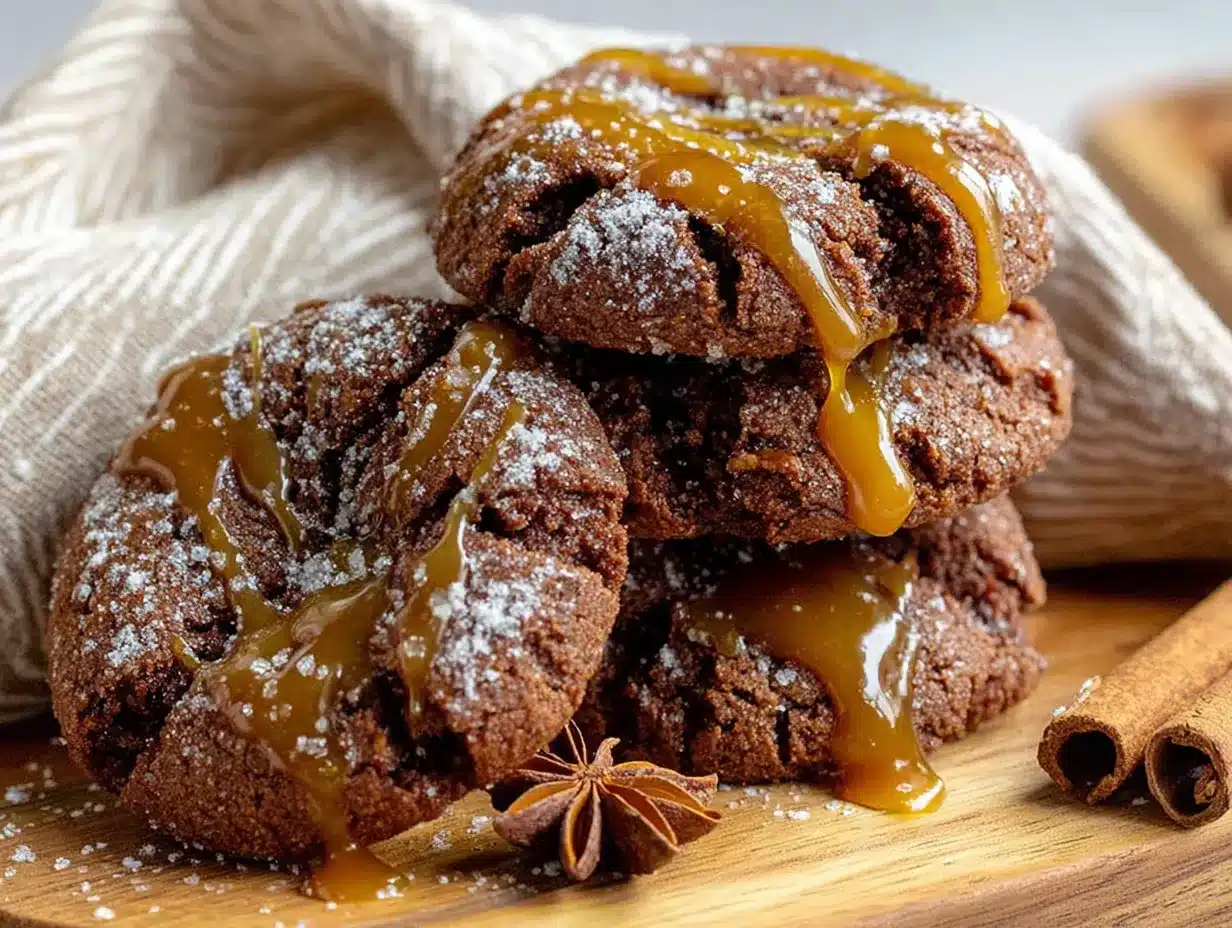
My father-in-law, a man of few words and strong opinions, had claimed to hate gingerbread cookies for as long as I had known him. Decades. He’d wave a hand at the tin every Christmas and mutter something about “cardboard with frosting.” Then, last December, I caught him. There he was, standing at the kitchen counter in the soft glow of the refrigerator light, shoving a second one of these soft gingerbread cookies into his mouth. He didn’t see me for a solid ten seconds. When he finally did, he just froze, cheeks puffed out like a guilty chipmunk.
That moment was pure, quiet victory. Honestly, that’s what this recipe is all about—changing minds without saying a single word. I had been tinkering with this version for a few weeks, trying to solve the problem of the dry, crumbly cookies that give gingerbread a bad name. You know the ones I mean—they look pretty on the plate but taste like disappointment. I wanted something you could sink your teeth into, a cookie that was soft and chewy in the center with that perfect crackled top. Let me tell you, it took a few burnt batches and one particularly flat, sad tray to get there. Maybe you’ve been there, too, standing over a mixing bowl, wondering why your cookies spread into one giant blob.
The secret turned out to be simpler than I thought. It wasn’t some fancy technique or a weird ingredient. It was just paying attention to the butter temperature and getting the molasses ratio right. Now, this is the only gingerbread recipe I make. It’s the one that sits on the counter during the holidays, the one that gets packed into lunchboxes in January, and the one that turned a decades-long gingerbread hater into a late-night kitchen raider. It stayed with me because it proved that a good recipe doesn’t need to shout—it just needs to be soft, spiced, and impossible to resist.
Why You’ll Love This Recipe
This isn’t just another gingerbread cookie recipe. I’ve tested this one about six times to get the texture just right, and I can tell you with confidence that it’s the softest, most forgiving version you’ll find. It’s the kind of recipe that makes you look like a pro even if you’re just starting out.
- Family-Friendly & Budget-Smart: These cookies use basic pantry staples—flour, sugar, butter, molasses, and spices. No expensive extracts or fancy equipment needed. You can make a big batch for under ten bucks, which is a win when you’re feeding a hungry family.
- Soft and Chewy, Not Hard: The texture is the star here. These cookies stay soft for days, thanks to the perfect balance of molasses and butter. They don’t turn into hockey pucks by day two, which is a problem I had with other recipes.
- Picky Eater Approved: My kids used to wrinkle their noses at anything with “spice” in the name. But the gentle warmth of the ginger and cinnamon in these cookies won them over. One of them even asked for them in their lunchbox—that’s a big deal in our house.
- Perfect for Busy Evenings: The dough comes together in about 15 minutes. You do need to chill it for an hour, but that’s hands-off time. You can make the dough the night before and bake them fresh the next day.
- Leftovers Reheat Beautifully: Pop a day-old cookie in the microwave for 10 seconds, and it tastes just like it came out of the oven. This is a lifesaver when you need a quick treat after a long day.
What makes this recipe different from the rest? It’s the method. I use melted butter instead of cold, which creates a denser, softer crumb. And I don’t overwork the dough—that’s the secret to keeping them tender. This isn’t just another version; it’s the one you’ll come back to year after year. It’s comfort food that actually delivers on its promise.
What Ingredients You Will Need
This recipe uses simple, wholesome ingredients to deliver that classic gingerbread flavor with a soft, chewy texture. Most of these are probably already in your pantry, which makes this a great last-minute baking project.
- All-Purpose Flour (3 cups / 360g): This gives the cookies structure. Spoon and level your flour into the measuring cup—don’t scoop it, or you’ll pack in too much and get dry cookies. I use Gold Medal, but any standard brand works fine.
- Baking Soda (2 teaspoons): This helps the cookies spread just a little and gives them that crackled top. Make sure it’s fresh—if it doesn’t fizz when you mix it with a little vinegar, toss it.
- Ground Ginger (2 teaspoons): The star of the show. This gives the cookies their warm, slightly spicy kick. I prefer McCormick for consistent flavor. If your jar is older than a year, replace it—old spices lose their punch.
- Ground Cinnamon (1 teaspoon): Adds sweetness and warmth. It rounds out the ginger without overpowering it.
- Ground Cloves (½ teaspoon): A little goes a long way. Cloves add that deep, almost smoky flavor that makes gingerbread taste like Christmas.
- Salt (½ teaspoon): Balances the sweetness and enhances all the other flavors. I use fine sea salt.
- Unsalted Butter (¾ cup / 170g, melted): Melted butter is the key to a soft cookie. It coats the flour proteins, preventing too much gluten from forming, which keeps the cookies tender. Let it cool slightly before using.
- Brown Sugar (1 cup / 200g, packed): Light or dark brown sugar works. Dark brown sugar gives a deeper molasses flavor. The moisture in brown sugar also helps keep the cookies soft.
- Molasses (½ cup / 170g): Use unsulphured molasses, not blackstrap. Blackstrap is too bitter and will make your cookies taste harsh. Grandma’s Original or Brer Rabbit are my go-to brands. Don’t skip this—it’s what gives gingerbread its signature flavor.
- Large Egg (1): Binds everything together. Make sure it’s at room temperature so it mixes smoothly into the melted butter.
- Vanilla Extract (1 teaspoon): A little vanilla rounds out the spice flavors. Pure vanilla is best, but imitation works in a pinch.
For Rolling (optional but recommended):
- Granulated Sugar (about ¼ cup / 50g): Rolling the dough balls in sugar before baking gives the cookies a sparkly, crackled top. It also adds a tiny bit of crunch that contrasts nicely with the soft center.
Equipment Needed
You don’t need a fancy bakery setup for these cookies. Here’s what you’ll actually use:
- Large Mixing Bowls: One for the dry ingredients, one for the wet. I use glass bowls because they don’t retain smells. Any large bowl works.
- Whisk: For mixing the dry ingredients. A fork works too, but a whisk is faster.
- Wooden Spoon or Silicone Spatula: For combining the wet and dry ingredients. Don’t use an electric mixer—it overworks the dough and makes the cookies tough.
- Measuring Cups and Spoons: For accuracy. The molasses can be sticky, so spray your measuring cup with a little non-stick spray first—it slides right out.
- Baking Sheets: Two or three standard half-sheet pans work best. Line them with parchment paper or a silicone baking mat for easy cleanup.
- Cookie Scoop (1.5-tablespoon size): This makes uniform balls quickly. If you don’t have one, use two spoons. Uniform size means even baking.
- Cooling Rack: Lets air circulate around the cookies so they cool evenly and don’t get soggy bottoms.
- Plastic Wrap: For chilling the dough. You can also use a reusable beeswax wrap if you’re trying to cut down on waste.
Preparation Method
Let’s get baking. This process is straightforward, but a few details make all the difference. Take your time with the chilling step—it’s not optional.
- Whisk the Dry Ingredients (5 minutes): In a large bowl, whisk together 3 cups of all-purpose flour, 2 teaspoons of baking soda, 2 teaspoons of ground ginger, 1 teaspoon of ground cinnamon, ½ teaspoon of ground cloves, and ½ teaspoon of salt. Make sure everything is evenly distributed. Give it a good stir—you don’t want a pocket of baking soda in one cookie.
- Mix the Wet Ingredients (5 minutes): In a separate large bowl, combine ¾ cup of melted unsalted butter (cooled slightly), 1 cup of packed brown sugar, ½ cup of molasses, 1 large egg, and 1 teaspoon of vanilla extract. Whisk until smooth and glossy. The mixture should look like thick caramel. If your butter was too hot, it might make the egg scramble—let it cool for a minute if you’re unsure.
- Combine Wet and Dry (3 minutes): Pour the dry ingredients into the wet mixture. Stir with a wooden spoon or silicone spatula until just combined. Stop when you no longer see streaks of flour. A few small lumps are okay. Overmixing at this stage will make the cookies tough, so be gentle. The dough will be soft and slightly sticky—that’s exactly what you want.
- Chill the Dough (1 hour minimum): Cover the bowl with plastic wrap and refrigerate for at least 1 hour. This step is crucial. Chilling firms up the butter, which prevents the cookies from spreading too thin in the oven. It also allows the flavors to meld together. You can chill it for up to 3 days—the flavor actually gets better. If you’re in a rush, 30 minutes works, but the cookies will spread more.
- Preheat the Oven (10 minutes): When you’re ready to bake, preheat your oven to 350°F (175°C). Line your baking sheets with parchment paper or silicone mats. Position the racks in the center of the oven.
- Shape the Cookies (10 minutes): Scoop out rounded tablespoons of dough (about 1.5 tablespoons each). Roll them into balls between your palms. If the dough is too sticky to handle, lightly wet your hands. Roll each ball in granulated sugar if you want that sparkly, crackled top. Place them on the prepared baking sheets, spacing them about 2 inches apart. They will spread a little, but not too much.
- Bake (9-11 minutes): Bake for 9 to 11 minutes. The cookies should look puffed and set around the edges, but the centers will still look slightly soft and underdone. That’s the secret to a soft cookie. If you bake them until they look fully done, they’ll be overbaked. For a chewier cookie, bake for 10 minutes. For a softer cookie, pull them at 9 minutes. The tops will develop beautiful crackles.
- Cool on the Sheet (5 minutes): Let the cookies rest on the baking sheet for 5 minutes. They will continue to set as they cool. This step is important—moving them too early will break them apart. After 5 minutes, transfer them to a wire cooling rack to cool completely. They will be perfectly soft and chewy.
Cooking Tips & Techniques
I’ve made plenty of mistakes with gingerbread cookies over the years, so you don’t have to. Here are the lessons I learned the hard way.
Don’t Skip the Chill: I once tried to rush this recipe and baked the dough after only 20 minutes in the fridge. The cookies spread into flat, thin discs that looked more like lace than gingerbread. The chill time allows the butter to solidify again, which means the cookies hold their shape. One hour is the minimum. Overnight is even better.
Measure Molasses Correctly: Molasses is thick and sticky. If you just pour it into your measuring cup, you’ll end up with way too much. Spray the inside of your measuring cup with non-stick cooking spray before adding the molasses. It will slide right out, and you’ll get an accurate measurement. Too much molasses makes the cookies overly soft and sticky.
The Finger Test for Doneness: The biggest mistake people make is overbaking soft cookies. Use the finger test: Gently press the edge of a cookie. If it springs back, it’s done. If it leaves an indent, give it another minute. The center should look slightly underdone—it will set as it cools. Trust the process.
Room Temperature Egg Matters: A cold egg can seize the melted butter and create a lumpy dough. Let your egg sit on the counter for 30 minutes before you start. If you forgot, place it in a bowl of warm water for 5 minutes. It makes a real difference in how smoothly everything comes together.
Batch Baking Strategy: If you’re making a double batch, only take out one portion of dough from the fridge at a time. Keep the rest chilled. Warm dough spreads more, and you want consistent results. Also, always let your baking sheets cool completely between batches. A hot sheet will melt the dough before it even goes in the oven.
Variations & Adaptations
One of the best things about this recipe is how flexible it is. You can change it up based on what you have or who you’re feeding.
Gluten-Free Version: Substitute the all-purpose flour with a 1-to-1 gluten-free baking flour blend. I’ve used Bob’s Red Mill with great results. The texture will be slightly more tender, but the cookies still hold together well. Add an extra tablespoon of flour if the dough feels too wet.
Spice It Up or Down: For a milder cookie, reduce the ginger to 1 teaspoon and skip the cloves. For a spicier kick, add ¼ teaspoon of black pepper or a pinch of cayenne. I tried the cayenne version once just for fun, and it was surprisingly good—the heat fades quickly and leaves a warm, pleasant tingle.
Add-In Options: Fold in ½ cup of mini chocolate chips for a gingerbread-chocolate combo that kids love. Or add ½ cup of chopped crystallized ginger for extra chew and a burst of intense flavor. White chocolate chips also work beautifully with the spice blend.
Iced Version: Make a simple glaze by whisking 1 cup of powdered sugar with 2 tablespoons of milk and ½ teaspoon of vanilla extract. Drizzle it over the cooled cookies. For a festive touch, add a drop of red or green food coloring. Let the glaze set for about 30 minutes before stacking.
Vegan Adaptation: Use a flax egg (1 tablespoon ground flaxseed mixed with 3 tablespoons water, let sit for 5 minutes) and substitute the butter with a plant-based butter stick. I’ve used Earth Balance with good results. The cookies will be slightly less tender but still delicious.
Serving & Storage Suggestions
These cookies are wonderful on their own, but they also pair beautifully with other things. Here’s how to serve and store them for maximum enjoyment.
Serving Temperature: These cookies are best at room temperature or slightly warm. If you’ve stored them, pop one in the microwave for 10 seconds—it brings back that just-baked softness. Serve them with a cold glass of milk, a hot cup of coffee, or a mug of spiced tea. The combination is pure comfort.
Presentation Ideas: Arrange them on a simple white platter for a clean look. For the holidays, dust them with a little powdered sugar or drizzle with the simple glaze mentioned above. They also make great gifts—stack them in a clear cellophane bag tied with a ribbon. Add a handwritten tag with the recipe name.
Complementary Dishes: These cookies are fantastic alongside a scoop of vanilla ice cream or a dollop of whipped cream. For a dessert board, pair them with fresh apple slices, sharp cheddar cheese, and a handful of pecans. The sweet and savory combo is surprisingly addictive.
Storage Instructions: Store the cookies in an airtight container at room temperature. They will stay soft for up to 5 days. To keep them extra soft, add a slice of plain bread to the container. The bread absorbs excess air and releases moisture, keeping the cookies tender. Replace the bread slice every other day.
Freezing Instructions: You can freeze the baked cookies for up to 3 months. Place them in a single layer in a freezer-safe bag or container, separating layers with parchment paper. Thaw at room temperature for about 30 minutes. You can also freeze the raw dough. Scoop it into balls, place them on a baking sheet, and freeze until solid. Then transfer the dough balls to a freezer bag. Bake from frozen, adding 2-3 minutes to the baking time. The flavor actually deepens after freezing.
Nutritional Information & Benefits
While these are definitely a treat, there are a few bright spots worth mentioning. Here’s a rough estimate per cookie (based on 24 cookies):
| Nutrient | Amount per Cookie |
|---|---|
| Calories | 165 |
| Total Fat | 6g |
| Saturated Fat | 4g |
| Cholesterol | 25mg |
| Sodium | 135mg |
| Total Carbohydrates | 26g |
| Dietary Fiber | 0.5g |
| Sugars | 15g |
| Protein | 2g |
Health Benefits of Key Ingredients: Molasses is a good source of iron, calcium, and magnesium. A tablespoon of molasses contains about 3.5 mg of iron, which is roughly 20% of the daily recommended intake. Ginger is known for its anti-inflammatory properties and can help with digestion. Cinnamon may help regulate blood sugar levels. Of course, these benefits are modest in a cookie, but it’s nice to know you’re getting a little something extra.
Dietary Considerations: This recipe contains gluten, dairy, and eggs. For a gluten-free version, see the variations section above. For a dairy-free version, use plant-based butter. For an egg-free version, use a flax egg. These cookies are not low-carb or sugar-free, but they are a wonderful occasional indulgence that brings joy to the table.
Conclusion
This soft gingerbread cookie recipe has earned a permanent spot in my kitchen. It’s the one I turn to when I need a reliable, crowd-pleasing treat that doesn’t require a trip to a specialty store. The texture is exactly what you want—soft, chewy, and tender—and the spice blend is warm without being overpowering. It changed my father-in-law’s mind, and I have a feeling it might change yours too.
I encourage you to make this recipe your own. Add chocolate chips if that’s your thing. Double the ginger if you like a kick. Drizzle them with glaze or leave them plain. The base recipe is forgiving and flexible, so don’t be afraid to experiment. That’s the fun of baking, honestly—making something that tastes exactly like you want it to.
I’d love to hear how these turn out for you. Did your family love them? Did you try a fun variation? Drop a comment below and let me know. And if you share a photo on social media, tag me—I always love seeing your creations. Happy baking, friends. You’ve got this.
Frequently Asked Questions
Can I use blackstrap molasses instead of regular molasses?
I wouldn’t recommend it. Blackstrap molasses has a much stronger, more bitter flavor that can overwhelm the other spices. Stick with unsulphured original or mild molasses for the best balance of sweetness and depth.
Why did my cookies spread too much?
This usually happens for one of three reasons: the dough wasn’t chilled long enough, the butter was too warm when you mixed it, or you used too much sugar. Make sure you chill the dough for at least an hour, and measure your ingredients carefully.
Can I make the dough ahead of time?
Absolutely. You can refrigerate the dough for up to 3 days. The flavor actually improves as the spices meld. You can also freeze the dough balls for up to 3 months. Just bake them straight from the freezer, adding a couple of minutes to the bake time.
How do I keep the cookies soft for several days?
Store them in an airtight container at room temperature. Adding a slice of plain bread to the container helps maintain moisture. Replace the bread every other day. Do not refrigerate them—the fridge dries out baked goods faster.
Can I use this dough to make a gingerbread house?
No, this dough is too soft for structural baking. For a gingerbread house, you need a stiffer dough that holds its shape when baked. This recipe is specifically designed for soft, chewy cookies that are meant to be eaten, not assembled into a structure.
Pin This Recipe!

Soft Gingerbread Cookies Recipe – Easy Family Favorite
These soft and chewy gingerbread cookies are a family favorite, with a perfect crackled top and warm spice blend. They stay soft for days and are made with simple pantry staples.
- Prep Time: 15 minutes
- Cook Time: 10 minutes
- Total Time: 1 hour 25 minutes (includes chilling)
- Yield: 24 cookies 1x
- Category: Dessert
- Cuisine: American
Ingredients
- 3 cups (360g) all-purpose flour
- 2 teaspoons baking soda
- 2 teaspoons ground ginger
- 1 teaspoon ground cinnamon
- ½ teaspoon ground cloves
- ½ teaspoon salt
- ¾ cup (170g) unsalted butter, melted
- 1 cup (200g) packed brown sugar
- ½ cup (170g) unsulphured molasses
- 1 large egg, room temperature
- 1 teaspoon vanilla extract
- ¼ cup (50g) granulated sugar (for rolling, optional)
Instructions
- Whisk together flour, baking soda, ginger, cinnamon, cloves, and salt in a large bowl.
- In a separate bowl, whisk together melted butter, brown sugar, molasses, egg, and vanilla until smooth.
- Pour dry ingredients into wet mixture and stir with a wooden spoon or spatula until just combined. Do not overmix.
- Cover dough and refrigerate for at least 1 hour (up to 3 days).
- Preheat oven to 350°F (175°C). Line baking sheets with parchment paper.
- Scoop rounded tablespoons of dough (about 1.5 tablespoons each) and roll into balls. Roll in granulated sugar if desired.
- Place dough balls 2 inches apart on prepared baking sheets.
- Bake for 9-11 minutes, until edges are set and centers look slightly soft.
- Let cookies rest on baking sheet for 5 minutes, then transfer to a wire rack to cool completely.
Notes
Chill dough for at least 1 hour to prevent spreading. Use unsulphured molasses, not blackstrap. For softer cookies, bake 9 minutes; for chewier, bake 10 minutes. Store in an airtight container with a slice of bread to keep soft.
Nutrition
- Serving Size: 1 cookie
- Calories: 165
- Sugar: 15
- Sodium: 135
- Fat: 6
- Saturated Fat: 4
- Carbohydrates: 26
- Fiber: 0.5
- Protein: 2
Keywords: soft gingerbread cookies, gingerbread, Christmas cookies, chewy gingerbread, easy gingerbread recipe